SMT vs SMD Key Distinctions for Engineers
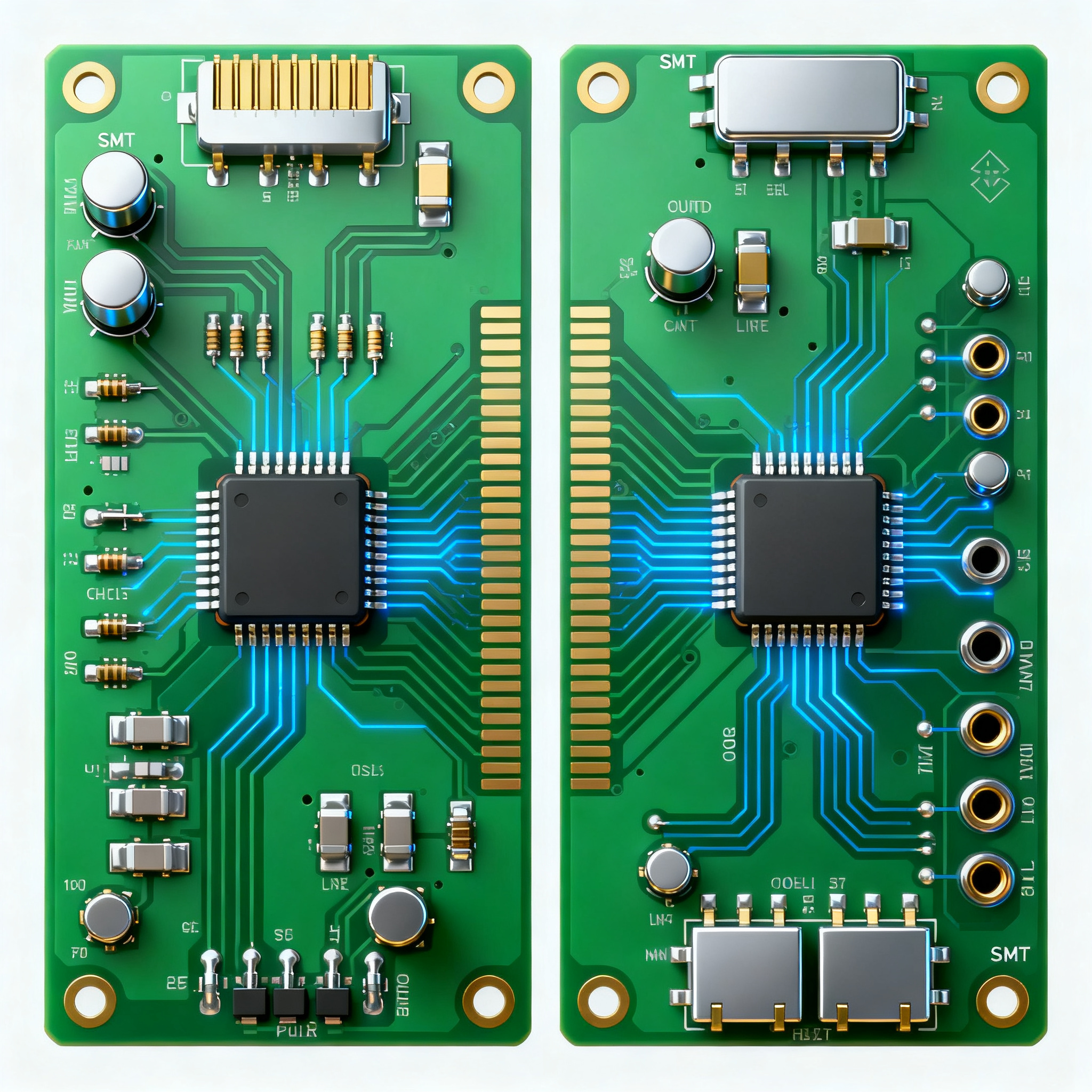
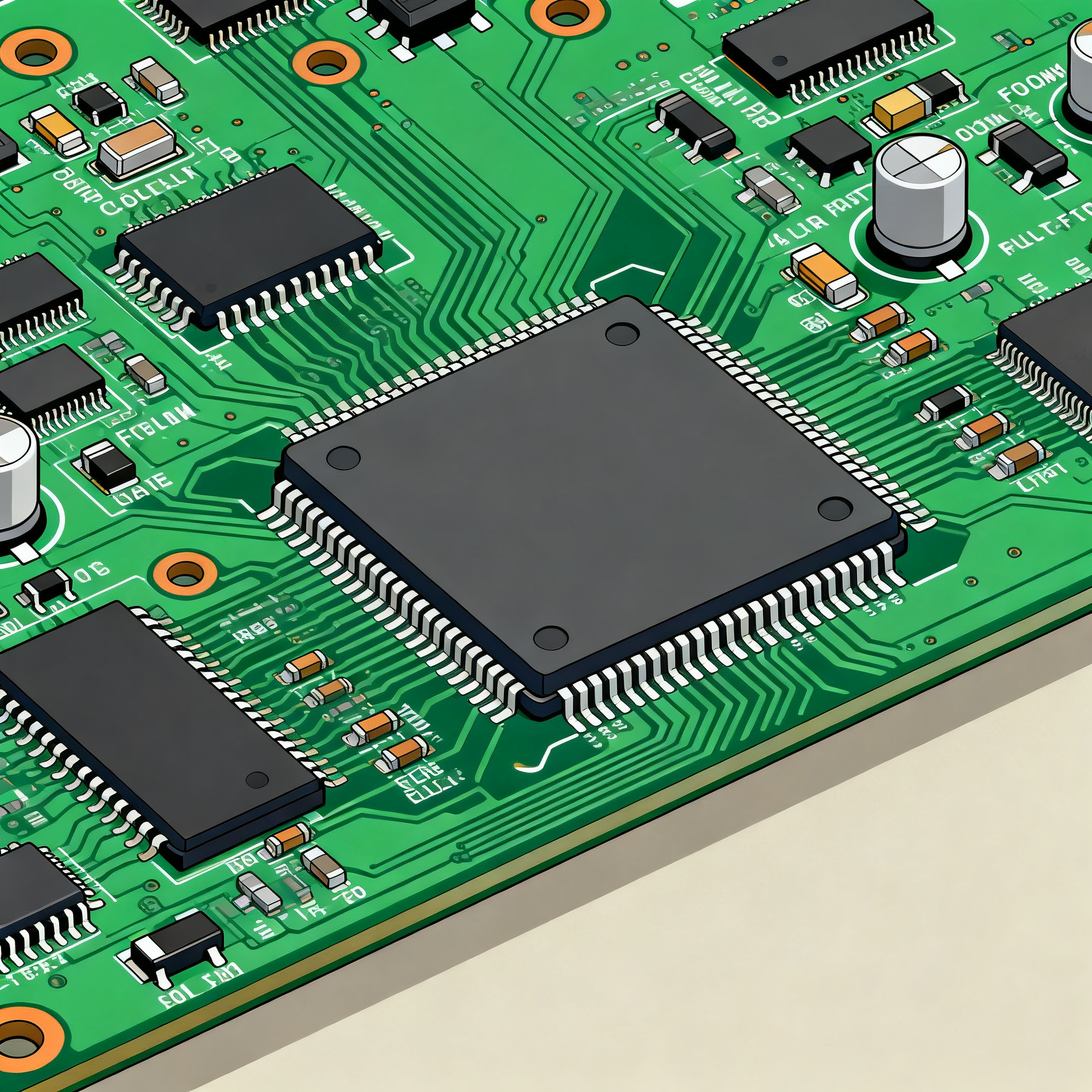
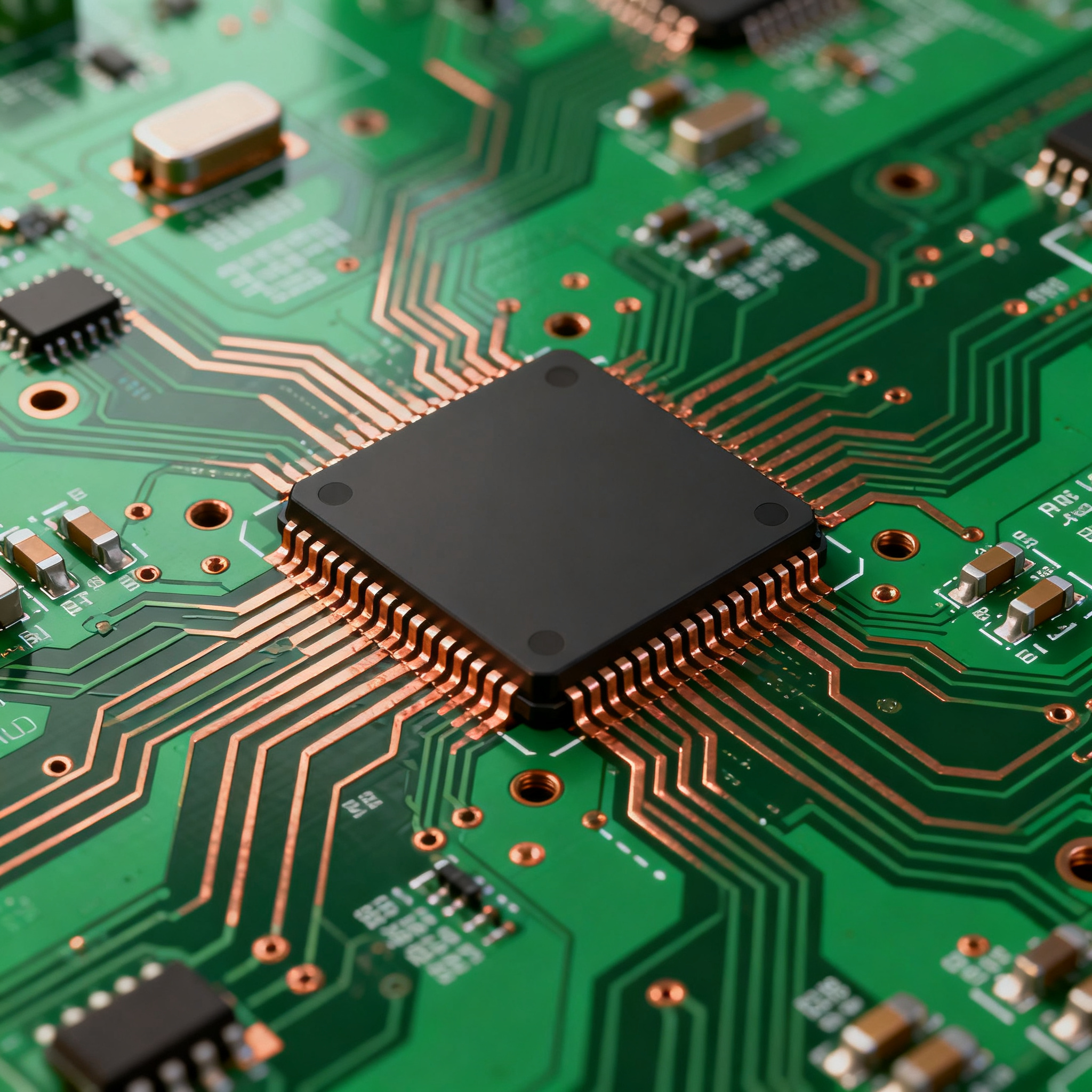
SMT vs SMD centers on a key distinction: Surface Mount Technology (SMT) is the automated process, while a Surface Mount Device (SMD) is the component itself.
Practical notes on assembly readiness, supply chain, and quality—written for hardware teams.
SMT vs SMD centers on a key distinction: Surface Mount Technology (SMT) is the automated process, while a Surface Mount Device (SMD) is the component itself.
Understand what drives your PCB price. Key factors include board size, layer count, material type, and order quantity. Use a pcb board cost estimator for a quick quote.
What is PCB location? It is the strategic physical placement of components that translates a schematic into a functional, reliable circuit board. This process is vital for managing signal integrity, thermal performance, and power delivery in your electronics.
See how hardware selection dictates PCB design, from layout and layer stack-up to performance and cost. A strategic choice of hardware pcb components is key.
A thermal via improves PCB heat management by creating a direct path for heat to move from hot components to larger copper planes, lowering operating temperatures.
See how our team used prototype PCB boards to cut development time from 8 to 3 weeks. This process helped us catch critical flaws and reduce costs before production.
A PCB coating prevents catastrophic failures by creating a non-conductive shield on your circuit board, blocking moisture, dust, and chemical contaminants.
Optimize your circuit’s performance by managing key factors in your PCB traces. This guide covers how trace width, thickness, spacing, and routing affect performance.
An SMT assembler is a skilled technician who operates robotic machinery to build electronic circuit boards, ensuring the quality and function of modern devices.
Follow our step-by-step guide on how to design a PCB circuit board. We cover schematic creation, component placement, routing, and generating Gerber files.