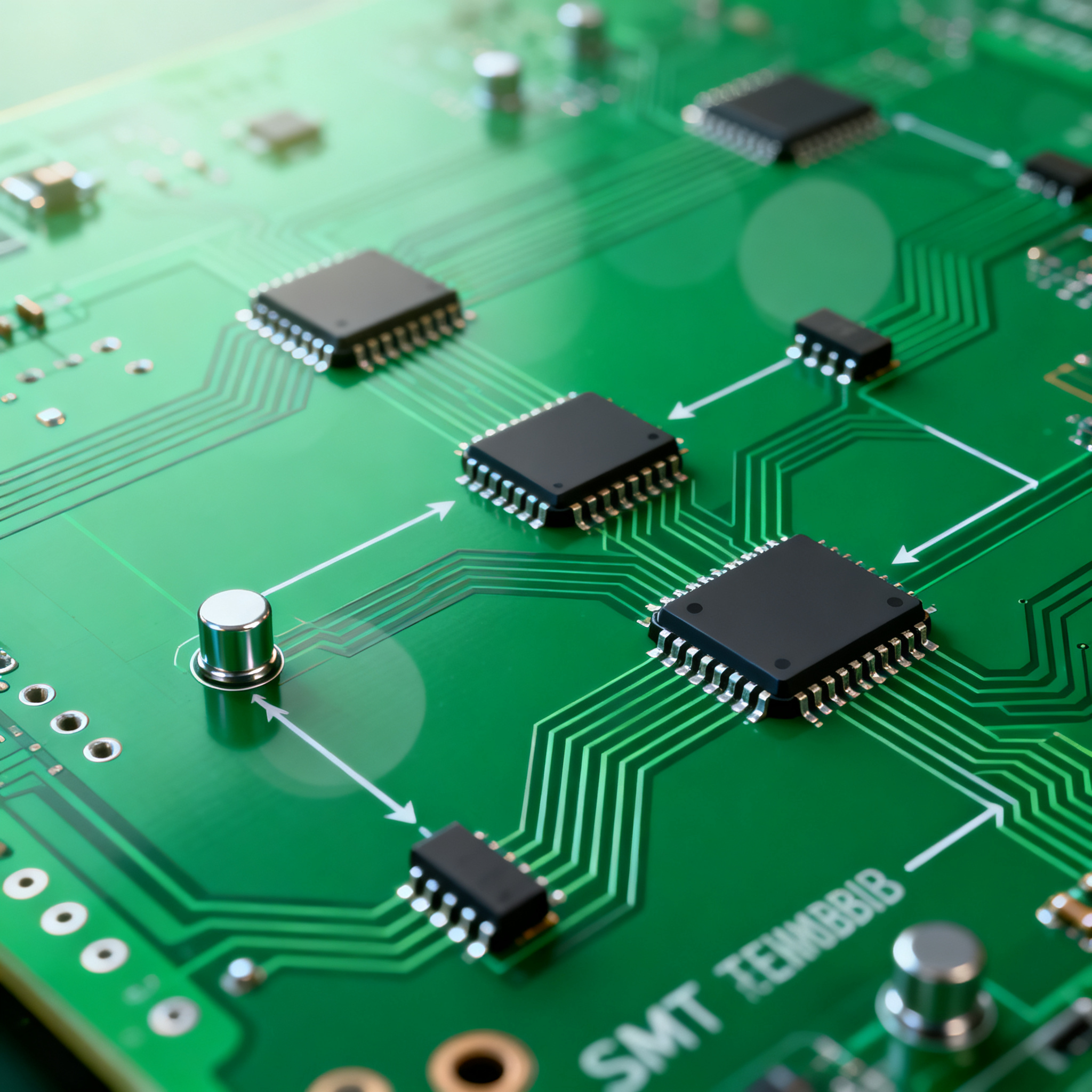
Streamlining the SMT Assembly Process Flow: A Step-by-Step Approach for Efficiency
Streamlining the SMT Assembly Process Flow: A Step-by-Step Approach for Efficiency Introduction In the rapidly evolving world of electronics manufacturing, Surface Mount Technology (SMT) assembly has ...
Introduction
In the rapidly evolving world of electronics manufacturing, Surface Mount Technology (SMT) assembly has become a cornerstone of modern electronics production. The efficiency of SMT assembly directly impacts the overall productivity and quality of electronic devices. As electronics engineers, understanding the intricacies of SMT assembly is crucial to optimizing production processes, reducing costs, and ensuring high-quality output. This article delves into the essential aspects of streamlining the SMT assembly process, with a specific focus on integrated circuit (IC) chip components, including their specifications, electrical characteristics, and application guidelines.
Technical Overview
SMT assembly involves mounting electronic components directly onto the surface of printed circuit boards (PCBs). This technology replaces traditional through-hole methods, allowing for more compact and efficient designs. The core components of SMT assembly include IC chips, resistors, capacitors, and other surface-mounted devices (SMDs). The architecture of IC chips is particularly critical, as these components serve as the brains of electronic circuits, executing complex functions and processing data. The principles of SMT assembly revolve around precision, speed, and reliability, leveraging advanced machinery for component placement, soldering, and inspection. Understanding the architecture and principles of IC chips is vital for designing efficient circuits and ensuring seamless integration into the SMT assembly process.
Detailed Specifications
When selecting IC chips for SMT assembly, several specifications are paramount. These include CPU speed, memory capacity, peripheral interfaces, power consumption, and packaging. These specifications determine the performance, compatibility, and efficiency of the IC within the overall circuit. A thorough understanding of these parameters is essential for making informed decisions during the component selection process.
| Specification | Details | Importance |
|---|---|---|
| CPU Speed | 1.5 GHz | Determines processing capability |
| Memory | 8 GB DDR4 | Storage for data and instructions |
| Peripherals | USB 3.0, I2C, SPI | Interface with external devices |
| Power Supply | 5V DC | Operating voltage |
| Package Type | LQFP | Physical footprint on PCB |
| Temperature Range | -40°C to 85°C | Operating environment |
| Pin Count | 64 pins | Connection points |
| Clock Speed | 400 MHz | Synchronization of operations |
| Data Rate | 800 Mbps | Transfer speed |
| Cache Size | 512 KB | Temporary data storage |
Key Takeaways from the Specifications
The core specifications of IC chips play a crucial role in determining the overall performance and compatibility of electronic circuits. CPU speed and memory capacity directly influence processing power and data handling capabilities. Peripheral interfaces such as USB, I2C, and SPI are essential for communication with other components and devices. Power supply specifications ensure the IC operates within safe and efficient parameters. Additionally, the package type and pin count affect the physical layout and integration on the PCB. Understanding these specifications allows engineers to select components that align with the desired performance and design requirements.
| Characteristic | Value | Significance |
|---|---|---|
| Operating Voltage | 3.3V | Standard logic level |
| Max Current | 200 mA | Current handling capability |
| Input Leakage Current | 5 µA | Input stability |
| Output Drive Current | 20 mA | Output strength |
| Propagation Delay | 10 ns | Signal timing |
| Input Capacitance | 10 pF | Influences input speed |
| Output Capacitance | 15 pF | Influences output speed |
| ESD Protection | ±2 kV | Electrostatic discharge resistance |
| Power Dissipation | 500 mW | Heat generation |
| Frequency Range | DC to 1 GHz | Operational bandwidth |
Practical Implications
The electrical characteristics of IC chips are critical for ensuring reliable and efficient circuit operation. Operating voltage and current ratings define the power requirements and constraints of the IC. Propagation delay and input/output capacitance influence signal integrity and speed, impacting overall circuit performance. ESD protection is vital for safeguarding components against electrostatic discharge, enhancing durability. Understanding these characteristics helps engineers design circuits that meet performance targets and operate within safe limits, minimizing the risk of component failure and ensuring long-term reliability.
| Application | Configuration | Benefits |
|---|---|---|
| Consumer Electronics | Single-core, 2 GB RAM | Cost-effective, energy-efficient |
| Industrial Automation | Multi-core, 4 GB RAM | High performance, robust |
| Automotive Systems | Dual-core, 8 GB RAM | Reliable, high-speed processing |
| Telecommunications | Quad-core, 16 GB RAM | High data throughput |
| Medical Devices | Low-power, high-reliability | Safe, precise operations |
| IoT Devices | Ultra-low power, small footprint | Long battery life, compact |
Application Guidelines
Different applications demand specific configurations and benefits from IC chips. Consumer electronics prioritize cost-effectiveness and energy efficiency, while industrial automation requires high performance and robustness. Automotive systems benefit from reliable and high-speed processing capabilities, essential for safety and real-time operations. Telecommunications applications demand high data throughput to handle large volumes of data efficiently. Medical devices focus on safety and precision, ensuring accurate and reliable performance. IoT devices prioritize ultra-low power consumption and compact designs, crucial for battery-operated and space-constrained environments. Selecting the right IC configuration is essential for meeting application-specific requirements and optimizing performance.
Design Considerations
Designing efficient SMT assembly processes requires careful consideration of several factors. First, component selection is critical, as it determines the functionality and performance of the final product. Engineers must evaluate specifications such as CPU speed, memory capacity, and peripheral interfaces to ensure compatibility with the intended application. Additionally, electrical characteristics like operating voltage, current ratings, and timing parameters influence the circuit's reliability and efficiency. Packaging and pin configurations impact the physical layout and integration of components on the PCB, affecting space utilization and assembly complexity.
Furthermore, the choice of PCB materials and design rules significantly affects the SMT assembly process. Adhering to industry standards such as IPC-A-610 and IPC-2221 ensures high-quality manufacturing and assembly, reducing the risk of defects and improving product reliability. Engineers should also consider the capabilities of their manufacturing partners, such as PCBWay and Nova PCBA, to align design specifications with production capabilities, ensuring a seamless transition from design to manufacturing.
Thermal management is another critical aspect of SMT design. Efficient heat dissipation is essential for maintaining optimal operating temperatures and preventing overheating, which can lead to component failure. Proper thermal vias, heat sinks, and airflow considerations should be integrated into the design to ensure effective thermal management.
Lastly, testing and inspection play a vital role in ensuring the quality and reliability of SMT assemblies. Implementing automated optical inspection (AOI) and in-circuit testing (ICT) helps identify defects early in the production process, allowing for timely corrections and reducing the likelihood of defective products reaching the market. By considering these design aspects, engineers can optimize SMT assembly processes, enhance product quality, and achieve efficient, cost-effective production.
Step-by-Step Implementation
- Define Specifications: Begin by defining the specifications required for the IC chip, including CPU speed, memory, and peripheral interfaces. This step ensures the selected components align with the desired application and performance goals.
- Select Components: Based on the defined specifications, select suitable IC chips and other SMDs. Refer to datasheets to evaluate electrical characteristics, package types, and pin configurations.
- Design the PCB Layout: Utilize PCB design software to create an efficient layout that accommodates the selected components. Consider factors such as trace routing, thermal management, and signal integrity.
- Fabricate the PCB: Partner with a reliable PCB manufacturer, such as PCBWay, to fabricate the PCB according to design specifications. Ensure adherence to industry standards and design rules.
- Assemble Components: Use automated pick-and-place machines to accurately position and solder components onto the PCB. Employ solder paste and reflow soldering techniques for optimal results.
- Inspect and Test: Implement AOI and ICT to inspect the assembled PCBs for defects and ensure functionality. Address any identified issues promptly to maintain quality standards.
- Final Assembly: Integrate the assembled PCBs into the final product enclosure, ensuring proper alignment and secure connections.
- Quality Assurance: Conduct final quality checks to verify performance, reliability, and compliance with specifications. Address any deviations to ensure product excellence.
Common Issues & Solutions
- Component Misalignment: Misalignment during placement can lead to soldering defects. Solution: Calibrate pick-and-place machines accurately and use fiducial markers for alignment.
- Solder Bridging: Excess solder can cause shorts between adjacent pins. Solution: Adjust solder paste volume and stencil thickness to prevent bridging.
- Insufficient Solder Joints: Weak solder joints can result in poor electrical connections. Solution: Optimize reflow profiles and ensure proper solder paste application.
- Thermal Overload: Overheating can damage components. Solution: Implement effective thermal management strategies, such as heat sinks and thermal vias.
- ESD Damage: Electrostatic discharge can harm sensitive components. Solution: Use ESD-safe materials and practices during assembly and handling.
- Incomplete Circuit Testing: Insufficient testing can lead to undetected defects. Solution: Implement comprehensive testing protocols, including AOI and ICT.
Applications & Use Cases
IC chips play a pivotal role in a wide range of applications, from consumer electronics to industrial automation and automotive systems. In consumer electronics, IC chips enable the functionality and performance of devices such as smartphones, tablets, and smart home gadgets. In industrial automation, they facilitate precise control and monitoring of machinery, enhancing productivity and efficiency. Automotive systems rely on IC chips for real-time data processing and communication, ensuring safety and performance. Telecommunications applications demand high-speed data handling, while medical devices require reliable and accurate operation. IoT devices benefit from low-power and compact IC configurations, enabling extended battery life and seamless connectivity.
Selection & Sourcing Guide
When selecting and sourcing IC chips for SMT assembly, it's essential to consider factors such as specifications, availability, and cost. Utilize resources like IC Online to access a wide range of components and compare specifications. Evaluate suppliers based on reliability, lead times, and pricing to ensure a smooth procurement process. Collaborate with reputable distributors and manufacturers to secure high-quality components and maintain a consistent supply chain.
FAQ
- What is SMT assembly? SMT assembly involves mounting components directly onto the surface of PCBs, allowing for compact and efficient designs.
- Why are IC chips important in SMT assembly? IC chips are the brains of electronic circuits, executing complex functions and processing data.
- How do I select the right IC chip? Consider specifications such as CPU speed, memory, and peripherals, and match them to the application's requirements.
- What are common issues in SMT assembly? Common issues include component misalignment, solder bridging, and thermal overload.
- How can I prevent ESD damage? Use ESD-safe materials and practices during assembly and handling to protect sensitive components.
- What is the role of AOI in SMT assembly? AOI helps identify defects early in the production process, ensuring quality and reliability.
- How do I manage thermal issues in SMT design? Implement thermal management strategies such as heat sinks, thermal vias, and proper airflow.
- What resources are available for PCB manufacturing? Resources like PCBWay and Nova PCBA offer fabrication and assembly services with flexible MOQs and fast turnaround times.
- How do I ensure quality in SMT assembly? Implement comprehensive testing protocols, adhere to industry standards, and collaborate with reliable manufacturing partners.
- What are the benefits of SMT over through-hole assembly? SMT allows for more compact designs, faster assembly, and improved performance due to reduced parasitic effects.
Conclusion
Streamlining the SMT assembly process is crucial for achieving efficient, cost-effective, and high-quality electronics production. By understanding the specifications, electrical characteristics, and application guidelines of IC chips, engineers can design circuits that meet performance targets and operate reliably. Implementing practical design considerations, step-by-step assembly processes, and comprehensive testing protocols ensures optimal results. With the right approach, SMT assembly can drive innovation and success in the electronics industry.