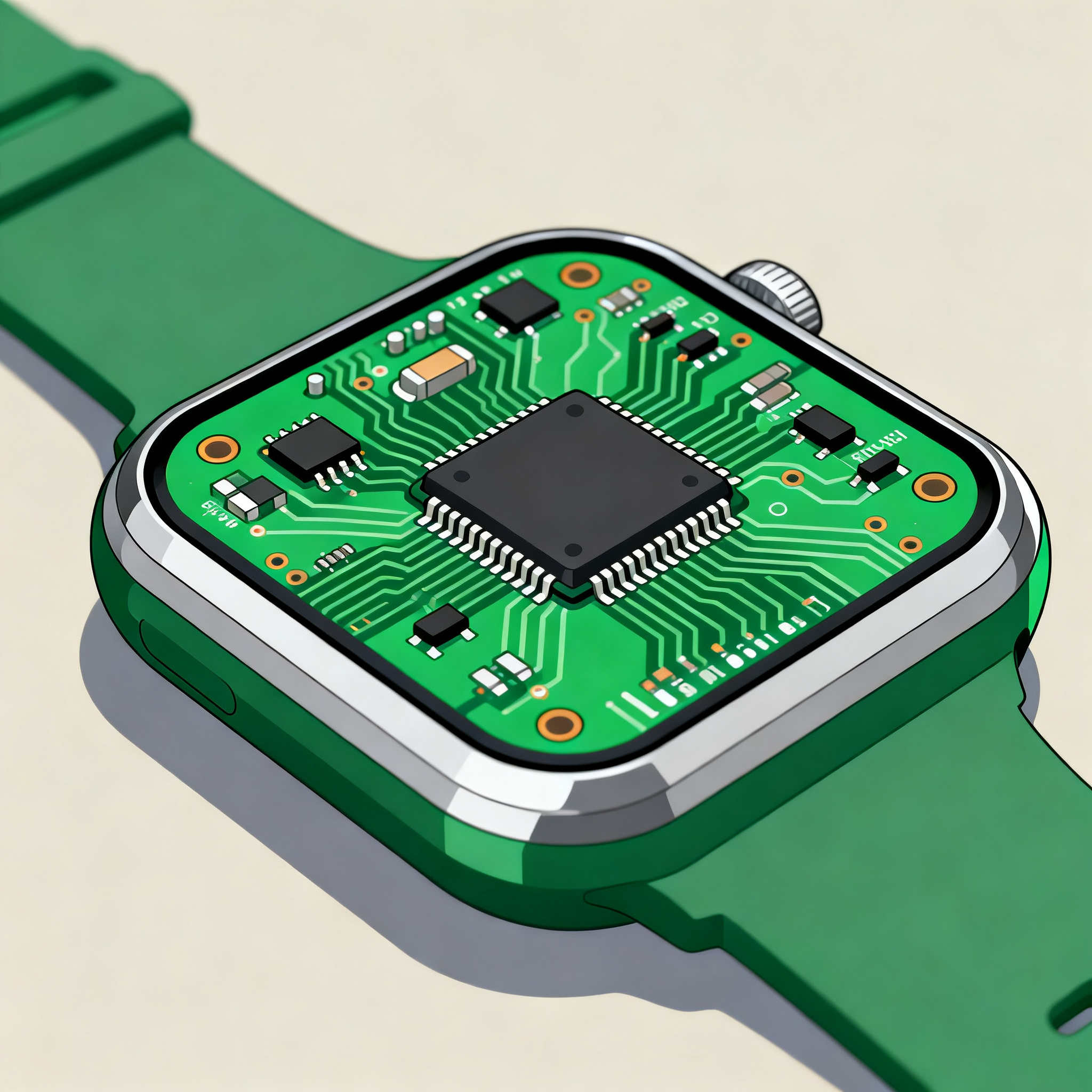
Maximizing Efficiency: Key Considerations for Smartwatch PCB Assembly Services in 2026
Maximizing Efficiency: Key Considerations for Smartwatch PCB Assembly Services in 2026 table { border-collapse: collapse; width: 100%; margin: 20px 0; } th, td { border: 1px solid #ddd; padding: 8px; ...
Introduction
As we move deeper into the digital age, the demand for smartwatches continues to rise. These compact, wearable devices integrate advanced electronics into a small form factor, making the design and assembly of their printed circuit boards (PCBs) a critical aspect of their development. In 2026, maximizing the efficiency of smartwatch PCB assembly services will be crucial for manufacturers aiming to stay competitive. This article delves into the key considerations for selecting integrated circuit (IC) chips, understanding their specifications, and applying this knowledge to optimize the performance and reliability of smartwatch assemblies.
Technical Overview
The architecture of a smartwatch PCB is a complex interplay of various components, including the central processing unit (CPU), memory, sensors, and communication modules. The efficiency of these components determines the overall performance of the device. The CPU, often a low-power ARM-based processor, must balance power consumption with processing capability. Memory components, such as RAM and flash, ensure smooth operation and data storage. Additionally, peripherals like Bluetooth and Wi-Fi modules facilitate connectivity, while power management ICs ensure energy efficiency. Understanding the architecture and principles behind these components is essential for optimizing PCB assembly processes in 2026.
Detailed Specifications
When selecting IC chips for smartwatch PCB assembly, understanding the core specifications is paramount. These specifications include CPU speed, memory capacity, available peripherals, power requirements, and package type. Each of these factors influences the device's performance, power consumption, and overall user experience.
| Specification | Detail | Significance |
|---|---|---|
| CPU Speed | 1.2 GHz | Determines processing capability |
| Memory | 512MB RAM, 4GB Flash | Affects multitasking and storage |
| Peripherals | Bluetooth 5.2, Wi-Fi 6 | Enables wireless connectivity |
| Power | 3.7V, 300mAh | Influences battery life |
| Package | QFN-56 | Impacts size and assembly |
| Operating Frequency | 2.4 GHz | Relates to wireless communication |
| Temperature Range | -20°C to 70°C | Affects reliability |
| Interface | I2C, SPI, UART | Supports component communication |
| Security Features | Secure Boot, Encryption | Ensures data protection |
| Dimensions | 12mm x 12mm | Determines PCB layout |
| Lifecycle | 5 years | Long-term availability |
Key Takeaways from the Specifications
The core specifications detailed above provide a comprehensive overview of what to expect from IC chips used in smartwatch PCBs. The CPU speed and memory are crucial for ensuring the device can handle multiple tasks simultaneously without lag. The choice of peripherals, such as Bluetooth and Wi-Fi, directly affects the connectivity options available to the user. Power considerations, including battery voltage and capacity, are vital for optimizing battery life, a critical factor in wearable technology. Additionally, the package type and dimensions influence the overall size and assembly process of the smartwatch PCB, which is essential for maintaining a compact design.
| Characteristic | Value | Importance |
|---|---|---|
| Supply Voltage | 3.3V | Standard for low-power devices |
| Operating Current | 50mA | Influences power consumption |
| Standby Current | 5µA | Key for battery efficiency |
| Input Voltage Range | 2.7V - 3.6V | Ensures stability under varying conditions |
| Output Current | 10mA | Determines load capacity |
| Clock Frequency | 32kHz - 48MHz | Affects processing speed |
| Signal Rise Time | 5ns | Impacts data transmission |
| Input Leakage Current | 1nA | Relates to power efficiency |
| Output Voltage | 0.8V - 2.5V | Important for signal integrity |
| ESD Protection | ±2kV | Ensures component safety |
| Thermal Resistance | 30°C/W | Critical for heat management |
Practical Implications
The electrical characteristics outlined above play a vital role in the design and performance of smartwatch PCBs. A stable supply voltage and low operating current are essential for maintaining power efficiency, which directly impacts the device's battery life. The standby current is particularly important for wearable technology, as it dictates how long the device can remain operational between charges. Other factors, such as input voltage range and output current, ensure the device can handle various operational conditions without compromising performance. ESD protection and thermal resistance are critical for safeguarding components against environmental factors, ensuring long-term reliability and performance.
| Use Case | Configuration | Benefits |
|---|---|---|
| Fitness Tracking | High-accuracy sensors, GPS | Enhanced health monitoring |
| Communication | Bluetooth, microphone | Seamless connectivity |
| Entertainment | High-resolution display, storage | Improved user experience |
| Health Monitoring | ECG, PPG sensors | Comprehensive health data |
| Navigation | GPS, compass | Accurate location tracking |
| Security | Biometric sensors | Enhanced data protection |
| Payment | NFC, secure elements | Convenient transactions |
| Smart Home Control | Wi-Fi, IoT integration | Centralized device management |
Application Guidelines
The application comparison table highlights various configurations and their benefits for different smartwatch use cases. For instance, fitness tracking requires high-accuracy sensors and GPS functionality to provide users with precise health and activity data. Communication-focused smartwatches benefit from robust Bluetooth and microphone configurations, ensuring seamless connectivity with other devices. In contrast, entertainment applications prioritize high-resolution displays and ample storage to deliver an engaging user experience. Each configuration is tailored to optimize the performance and utility of the smartwatch in its respective application, underscoring the importance of selecting the right components for specific use cases.
Design Considerations
Designing a smartwatch PCB for efficient assembly involves several critical considerations. First and foremost, the selection of IC chips should align with the intended application and performance requirements. This includes evaluating the power consumption, thermal management, and connectivity features of each component. The layout of the PCB should be optimized to minimize signal interference and enhance thermal dissipation, ensuring reliable operation under varying conditions. Additionally, adhering to industry standards, such as those provided by the IPC, is essential for maintaining quality and consistency in the manufacturing process. By carefully considering these factors, manufacturers can enhance the efficiency and reliability of their smartwatch assemblies.
Step-by-Step Implementation
Implementing an efficient smartwatch PCB assembly process involves several detailed steps:
- Define Requirements: Begin by outlining the performance, size, and power requirements based on the intended use case.
- Component Selection: Choose IC chips and other components that meet the defined specifications, considering factors like power efficiency and connectivity.
- PCB Design: Create a layout that optimizes space and minimizes interference, using design software to simulate performance.
- Prototype Development: Build a prototype to test the design, identifying any issues related to power consumption, thermal management, or connectivity.
- Testing and Validation: Conduct thorough testing to ensure the prototype meets all performance and reliability standards.
- Iterative Refinement: Use test results to refine the design, addressing any identified issues before proceeding to mass production.
- Manufacturing Setup: Prepare the production line, ensuring all equipment and processes adhere to industry standards.
- Quality Assurance: Implement quality control measures to verify the consistency and reliability of each assembled PCB.
Common Issues & Solutions
During the assembly of smartwatch PCBs, several common issues may arise, each requiring specific solutions:
- Thermal Management: Overheating can be mitigated by incorporating heat sinks and optimizing the PCB layout for better heat dissipation.
- Signal Interference: Use shielding and careful routing of signal traces to minimize electromagnetic interference.
- Power Efficiency: Select components with low standby current and implement power-saving modes to extend battery life.
- Component Compatibility: Ensure all components are compatible with each other, particularly in terms of voltage levels and communication protocols.
- Assembly Errors: Implement automated inspection and testing to detect and correct assembly defects early in the production process.
- Supply Chain Disruptions: Develop a flexible supply chain strategy, including multiple suppliers, to mitigate the risk of component shortages.
Applications & Use Cases
Smartwatches have evolved beyond simple timekeeping devices, serving a multitude of applications in 2026. Fitness enthusiasts rely on smartwatches for tracking workouts and health metrics, while professionals use them for seamless communication and productivity. In healthcare, smartwatches provide critical health monitoring features, such as ECG and heart rate tracking, enabling better patient management. Additionally, smartwatches are increasingly used for contactless payments and smart home control, offering users convenience and enhanced functionality in their daily lives.
Selection & Sourcing Guide
For sourcing IC chips and components for smartwatch PCBs, consider using reputable online platforms like IC Online. These platforms provide access to a wide range of components, detailed specifications, and datasheets, helping manufacturers make informed decisions. Additionally, collaborating with trusted suppliers ensures the availability of high-quality components, reducing the risk of supply chain disruptions.
FAQ
- What are the key considerations when selecting IC chips for smartwatch PCBs? Key considerations include power consumption, connectivity options, processing capability, and compatibility with other components.
- How can I optimize power efficiency in a smartwatch design? Optimize power efficiency by selecting components with low standby current, implementing power-saving modes, and using efficient power management ICs.
- What standards should I follow for PCB assembly? Adhere to IPC standards, such as IPC-A-610 and IPC-2221, to ensure quality and reliability in PCB design and assembly.
- How can signal interference be minimized in a smartwatch PCB? Minimize interference by using proper shielding, careful signal routing, and maintaining adequate spacing between traces.
- What are the benefits of using a quick-turn PCB assembly service? Quick-turn services offer faster prototyping and production, allowing manufacturers to bring products to market more quickly.
- How important is thermal management in smartwatch design? Thermal management is crucial for preventing overheating and ensuring reliable operation, particularly in compact devices like smartwatches.
- What role do sensors play in smartwatch functionality? Sensors are essential for health monitoring, fitness tracking, and other applications, providing real-time data to users.
- How can I ensure long-term availability of components? Work with suppliers that offer a clear component lifecycle and consider using generic components with longer availability.
- What is the significance of ESD protection in smartwatch PCBs? ESD protection safeguards components from electrostatic discharge, preventing damage and ensuring longevity.
- How do I address supply chain disruptions in component sourcing? Develop a flexible strategy with multiple suppliers and maintain a buffer stock of critical components to mitigate disruptions.
Conclusion
Maximizing the efficiency of smartwatch PCB assembly services in 2026 requires a comprehensive understanding of IC chip specifications, electrical characteristics, and application configurations. By carefully selecting components, adhering to industry standards, and addressing common design challenges, manufacturers can enhance the performance and reliability of their smartwatch products. As technology continues to evolve, staying informed about the latest trends and advancements will be crucial for maintaining a competitive edge in the wearable technology market.