Maximizing Efficiency: A Practical Guide to PCB Assembly Services for High-Volume Production
Introduction In the realm of electronics manufacturing, the efficiency of PCB assembly services plays a crucial role in determining the success of high-volume production. As the demand for electronic ...
Introduction
In the realm of electronics manufacturing, the efficiency of PCB assembly services plays a crucial role in determining the success of high-volume production. As the demand for electronic devices continues to surge, manufacturers are under pressure to optimize their production processes. This involves not only selecting the right components but also ensuring that these components meet stringent specifications and quality standards. Understanding the intricacies of PCB assembly, from component selection to application circuits, is essential for achieving maximum efficiency and reliability in production.
Technical Overview
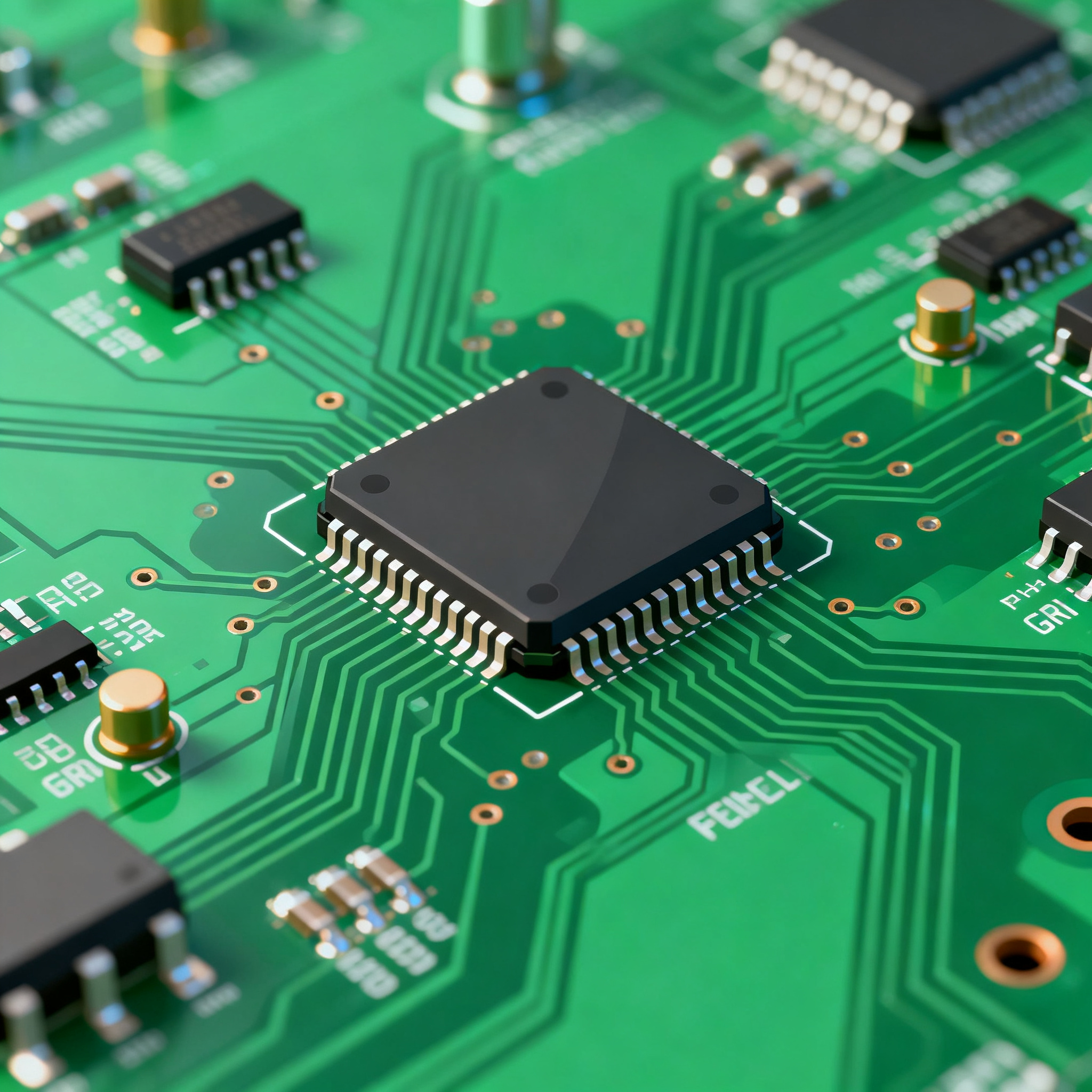
The world of PCB assembly is governed by a set of core concepts and architectural principles that ensure the seamless integration of components into a functional device. At the heart of this process is the integrated circuit (IC) chip, which serves as the brain of electronic devices. These chips come in various configurations, each designed for specific applications, and their selection is influenced by factors such as CPU speed, memory capacity, and peripheral support. The architecture of these chips determines how they interact with other components, impacting overall device performance.
In high-volume production, adhering to industry standards, such as those set by the IPC, is crucial. These standards dictate the design, assembly, and inspection processes, ensuring quality and consistency across the board. Furthermore, leveraging resources from manufacturers like PCBWay can provide valuable insights into design rules and manufacturing capabilities, facilitating a smoother production process.
Detailed Specifications
When selecting components for PCB assembly, understanding the core specifications is paramount. These specifications include CPU speed, memory, and power requirements, among others, and they dictate the performance and compatibility of the IC chip within the broader system. An accurate interpretation of datasheets and component specifications is essential for making informed decisions, ensuring that the selected components align with the desired application and performance criteria.
| Specification | Details | Significance |
|---|---|---|
| CPU Speed | 1.2 GHz | Determines processing power and efficiency |
| Memory | 4 GB LPDDR4 | Impact on multitasking and data handling |
| Peripherals | USB 3.0, HDMI | Connectivity and compatibility with other devices |
| Power Consumption | 5W | Influences battery life and thermal management |
| Package Type | BGA | Size and footprint considerations for assembly |
| Operating Temperature | -40°C to 85°C | Suitability for various environmental conditions |
| Storage Capacity | 64 GB eMMC | Data storage and retrieval capabilities |
| Graphics Support | Integrated GPU | Graphics rendering and display capabilities |
| Security Features | TPM 2.0 | Data protection and encryption |
| Networking | Wi-Fi 6, Bluetooth 5.0 | Wireless communication standards |
Key Takeaways from the Specifications
Understanding the core specifications of an IC chip is essential for optimizing the performance and functionality of the final product. The CPU speed and memory are critical for determining the processing capabilities, while peripherals and networking options influence the device's connectivity. Power consumption and package type are crucial for assessing thermal management and assembly constraints. By carefully analyzing these specifications, manufacturers can ensure that the selected components align with the intended application, thereby maximizing efficiency and performance in high-volume production environments.
| Characteristic | Value | Implication |
|---|---|---|
| Operating Voltage | 3.3 V | Ensures compatibility with other low-power components |
| Max Current | 500 mA | Determines power delivery and load handling |
| Clock Frequency | 200 MHz | Impacts processing speed and timing |
| I/O Voltage | 1.8 V | Compatibility with external interfaces |
| Rise Time | 5 ns | Affects signal integrity and speed |
| Fall Time | 4.5 ns | Relates to signal transition timing |
| Input Capacitance | 10 pF | Influences signal loading and speed |
| Output Capacitance | 12 pF | Affects output drive capability |
| Thermal Resistance | 20°C/W | Determines heat dissipation efficiency |
| Leakage Current | 10 µA | Impacts power efficiency and battery life |
| Junction Temperature | 125°C | Maximum operating temperature for reliability |
| Noise Margin | 0.4 V | Ensures robust signal processing |
Practical Implications
The electrical characteristics of an IC chip, such as operating voltage, current handling, and timing parameters, play a vital role in determining its performance and reliability. Operating voltage and current ratings are crucial for ensuring compatibility with other components and efficient power management. Timing characteristics, including rise and fall times, influence the speed and signal integrity of data processing. Understanding these parameters allows engineers to optimize circuit designs, ensuring that the final product meets performance expectations while maintaining energy efficiency and thermal stability.
| Application | Configuration | Advantages |
|---|---|---|
| Consumer Electronics | Standard IC with integrated peripherals | Cost-effective and versatile |
| Industrial Automation | Rugged IC with extended temperature range | Reliability in harsh environments |
| Automotive Systems | High-performance IC with enhanced security | Safety and data protection |
| Medical Devices | Low-power IC with precise timing | Efficiency and accuracy |
| Telecommunications | High-speed IC with advanced networking | Improved data transmission |
| IoT Devices | Compact IC with wireless capabilities | Connectivity and low power consumption |
| Aerospace | Radiation-hardened IC | Durability in extreme conditions |
| Wearable Technology | Miniaturized IC with flexible packaging | Comfort and portability |
Application Guidelines
The application of IC chips varies across different industries, each with its unique set of requirements. For consumer electronics, standard ICs with integrated peripherals provide a cost-effective solution, while industrial automation demands rugged ICs capable of withstanding harsh conditions. Automotive systems benefit from high-performance ICs with enhanced security features, ensuring safety and data protection. In the medical field, low-power ICs with precise timing are essential for efficiency and accuracy. By understanding the specific needs of each application, engineers can select the most appropriate IC configuration, optimizing performance and reliability.
Design Considerations
Designing a PCB for high-volume production involves several critical considerations to ensure efficiency and reliability. Firstly, adhering to IPC standards, such as IPC-A-610 for assembly and IPC-2221 for design, is essential for maintaining quality. These standards provide guidelines for component placement, soldering, and inspection, ensuring consistency across production runs.
Component selection is another vital aspect, as it directly impacts performance and cost. Engineers must carefully analyze datasheets and specifications to ensure compatibility and meet application requirements. Power management is also crucial, as efficient power distribution and thermal management can significantly enhance device performance and lifespan.
Furthermore, leveraging advanced design tools and simulation software can aid in optimizing circuit layouts and minimizing signal interference. Collaborating with experienced PCB assembly services, like those offered by Nova PCBA, can provide valuable insights and resources for streamlining the production process.
Step-by-Step Implementation
- Define the project requirements and specifications, considering factors such as performance, cost, and application.
- Select the appropriate IC chip based on the core specifications and electrical characteristics relevant to the project.
- Design the PCB layout, adhering to IPC standards and incorporating best practices for component placement and routing.
- Simulate the circuit design to identify potential issues and optimize performance before proceeding to physical assembly.
- Collaborate with a reliable PCB assembly service provider to ensure efficient production and adherence to quality standards.
- Conduct thorough testing and inspection of assembled PCBs to verify functionality and identify any defects.
- Implement any necessary design revisions based on testing feedback to enhance performance and reliability.
- Finalize the production process, ensuring all documentation and quality checks are in place for high-volume manufacturing.
Common Issues & Solutions
- Issue: Component misalignment during assembly.
Solution: Utilize automated placement machines and conduct regular calibrations to ensure precision. - Issue: Thermal management challenges leading to overheating.
Solution: Implement effective heat dissipation techniques, such as heat sinks and thermal vias. - Issue: Signal interference affecting performance.
Solution: Optimize PCB layout to minimize crosstalk and electromagnetic interference. - Issue: Solder joint failures due to poor quality control.
Solution: Adhere to IPC-A-610 standards and perform regular inspections to ensure soldering quality. - Issue: Power distribution inefficiencies causing voltage drops.
Solution: Design power planes and distribution networks to minimize resistance and ensure stable voltage delivery. - Issue: Incompatibility with peripheral devices.
Solution: Ensure I/O specifications align with external interfaces and peripherals.
Applications & Use Cases
IC chips are integral to a wide range of applications, each with its specific requirements and challenges. In consumer electronics, they enable the development of compact and efficient devices, while in industrial automation, they provide the reliability needed for continuous operation in harsh environments. The automotive industry relies on high-performance ICs for advanced safety and infotainment systems, and the medical field benefits from low-power, precise ICs for diagnostic and monitoring devices. Understanding these diverse use cases helps engineers tailor their design and component selection processes to meet the unique demands of each application.
Selection & Sourcing Guide
When selecting IC chips for high-volume production, several factors must be considered, including performance specifications, compatibility, and cost. It's important to source components from reputable suppliers to ensure quality and reliability. For a comprehensive selection of ICs, consider visiting IC Online, where you can find a wide range of components to suit various applications and requirements.
FAQ
- What are the key specifications to consider when selecting an IC chip?
CPU speed, memory, power consumption, and peripheral support are critical factors affecting performance and compatibility. - How do IPC standards impact PCB design and assembly?
IPC standards ensure quality and consistency by providing guidelines for design, assembly, and inspection processes. - Why is thermal management important in PCB assembly?
Effective thermal management prevents overheating, ensuring device reliability and longevity. - What role do datasheets play in component selection?
Datasheets provide detailed specifications and characteristics, helping engineers make informed decisions about component compatibility and performance. - How can design tools optimize PCB layout?
Design tools and simulation software help identify potential issues, optimize component placement, and minimize signal interference. - What are common challenges in high-volume PCB production?
Component misalignment, thermal management, and signal interference are common challenges that can impact production efficiency and quality. - How do I ensure compatibility with peripheral devices?
Verify that I/O specifications align with external interfaces and peripherals to ensure seamless integration. - What are the benefits of collaborating with professional PCB assembly services?
Professional services offer expertise, resources, and quality assurance, streamlining the production process and enhancing reliability. - How can I address power distribution inefficiencies?
Design power planes and distribution networks to minimize resistance and ensure stable voltage delivery across the PCB. - What factors influence IC chip selection for different applications?
Application-specific requirements, such as performance, environmental conditions, and connectivity, dictate the choice of IC configuration and specifications.
Conclusion
Maximizing efficiency in PCB assembly for high-volume production requires a comprehensive understanding of component specifications, datasheets, and application circuits. By adhering to industry standards and leveraging advanced design tools, manufacturers can optimize their processes, ensuring high-quality, reliable products. The careful selection of IC chips, based on detailed specifications and application requirements, is key to achieving optimal performance and cost-effectiveness in diverse use cases.