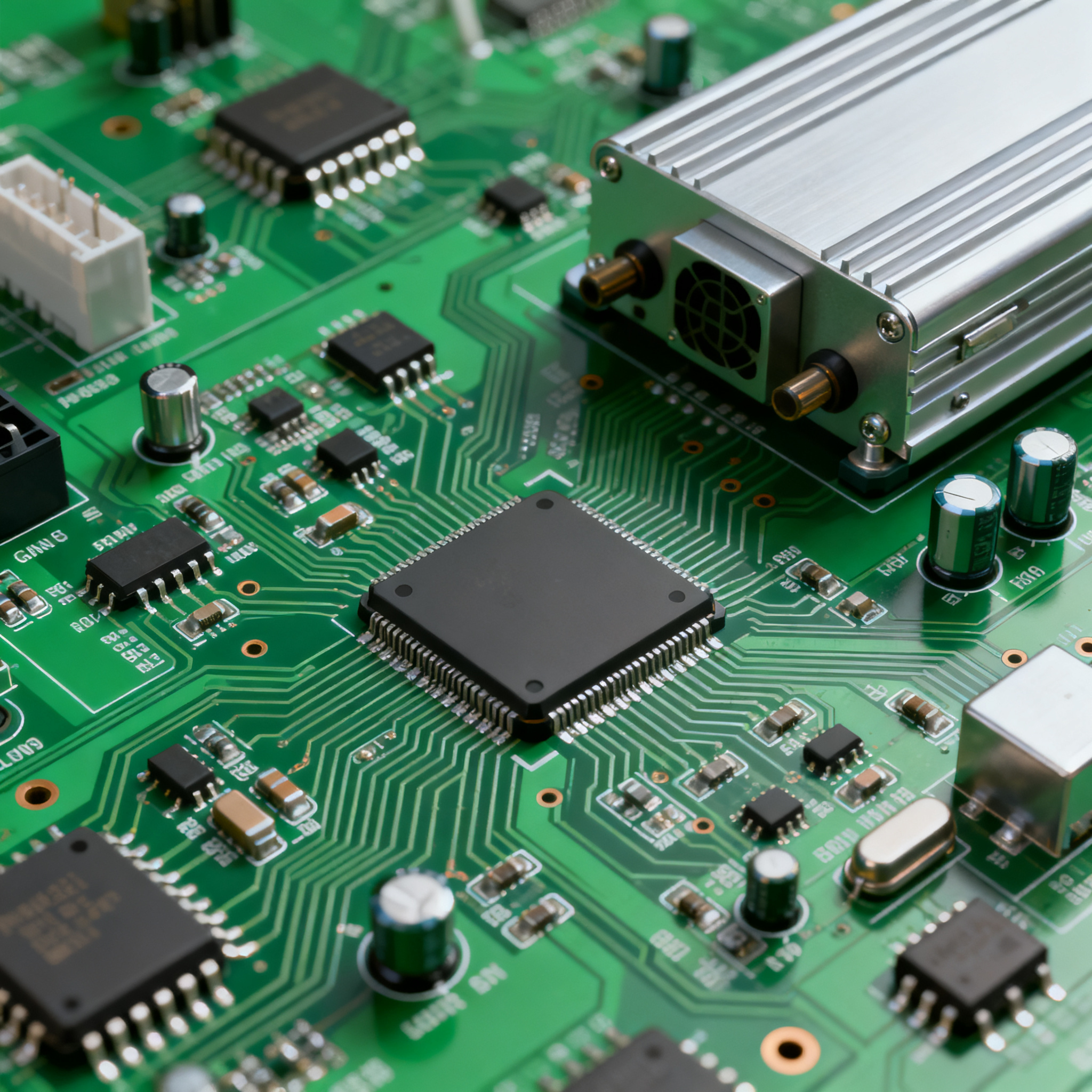
Renewable Energy Inverter PCB Services: Selecting the Best Components for Enhanced Reliability
Renewable Energy Inverter PCB Services table { border-collapse: collapse; width: 100%; margin: 20px 0; } th, td { border: 1px solid #ddd; padding: 8px; } th { background-color: #f0f0f0; } Introduction...
Introduction
In the fast-evolving world of renewable energy, the efficiency and reliability of inverters are paramount. These devices convert DC power from solar panels or wind turbines into AC power for home and industrial use. The heart of these inverters often lies in their printed circuit boards (PCBs), which host the essential components. Selecting the right components for these PCBs is crucial to ensure enhanced reliability, efficiency, and longevity. This article delves into the selection criteria for components, focusing on specifications, datasheets, and application circuits, ensuring that your renewable energy inverter is designed for optimal performance.
Technical Overview
Renewable energy inverters are complex systems that require meticulous design and precise component selection. The core architecture of an inverter involves several key components including microcontrollers, power MOSFETs, capacitors, and inductors. These components must work in harmony to efficiently convert DC power to AC power. Understanding the principles of inverter operation—such as pulse width modulation (PWM) and maximum power point tracking (MPPT)—is essential for selecting the right components. The choice of components directly impacts the inverter's efficiency, thermal performance, and ability to handle varying loads.
Detailed Specifications
When selecting components for a renewable energy inverter PCB, several specifications are critical. These include CPU speed, memory capacity, peripheral interfaces, power ratings, and packaging options. Each specification plays a role in determining the overall performance and reliability of the inverter. Below is a table detailing the core specifications for typical inverter components.
| Specification | Details | Importance |
|---|---|---|
| CPU Speed | 1.2 GHz | Determines processing power |
| Memory | 256 KB RAM | Influences data handling capacity |
| Peripherals | UART, SPI, I2C | Enables communication interfaces |
| Power Supply | 3.3V, 5V | Voltage levels for operation |
| Package | SMD, BGA | Defines mounting and space requirements |
| Operating Temperature | -40°C to 85°C | Ensures performance under different conditions |
| Storage Temperature | -55°C to 125°C | Stability during storage |
| MTBF | 100,000 hours | Reliability indicator |
| ESD Protection | ±8 KV | Prevents electrostatic damage |
| RoHS Compliance | Yes | Environmental safety |
Key Takeaways from the Specifications
The specifications outlined in the table are crucial for designing a reliable inverter PCB. CPU speed and memory are vital for handling complex algorithms and data processing, which are essential in optimizing energy conversion efficiency. Peripherals like UART, SPI, and I2C facilitate seamless communication between components, enhancing overall system functionality. The power supply specifications ensure that the components operate within safe voltage levels, while package types determine the physical layout and integration on the PCB. Operating and storage temperatures are important for maintaining performance in various environmental conditions, and features like ESD protection and RoHS compliance ensure durability and environmental safety.
| Electrical Characteristic | Specification | Notes |
|---|---|---|
| Input Voltage | 12V - 48V | Varies with application |
| Output Voltage | 120V AC, 240V AC | Standard AC outputs |
| Peak Current | 10A | Maximum load current |
| Idle Current | 50mA | Current when not in use |
| Switching Frequency | 50 kHz | Determines efficiency |
| Efficiency | 95% | Energy conversion efficiency |
| THD | < 5% | Total Harmonic Distortion |
| Power Factor | 0.98 | Close to unity is ideal |
| Overload Protection | Yes | Prevents damage from excess load |
| Short Circuit Protection | Yes | Prevents damage from faults |
| Thermal Shutdown | 150°C | Prevents overheating |
| Noise Level | < 30 dB | Ensures quiet operation |
Practical Implications
The electrical characteristics of inverter components have a direct impact on their performance and reliability. The input and output voltage specifications dictate the suitability of the inverter for various applications, such as residential or industrial use. High efficiency and a low total harmonic distortion (THD) are essential for maximizing energy conversion and reducing electrical noise. Overload and short circuit protection are critical safety features that prevent damage to the inverter and connected devices. The specified switching frequency impacts the inverter's efficiency and thermal performance, while a high power factor indicates effective power usage. These characteristics guide engineers in choosing components that meet specific application requirements.
| Application | Configuration | Benefits |
|---|---|---|
| Solar Inverter | Grid-tied | Feed excess power to the grid |
| Wind Turbine Inverter | Off-grid | Independent power supply |
| Hybrid Inverter | Grid-tied with battery backup | Energy storage and grid interaction |
| Micro Inverter | Per panel installation | Improved efficiency and monitoring |
| Central Inverter | Large scale solar farms | Cost-effective for large installations |
| Battery Inverter | Standalone | Backup power during outages |
| Vehicle Inverter | Electric vehicles | Power electronics for EVs |
| Industrial Inverter | High power applications | Robust and reliable for industrial use |
Application Guidelines
Different inverter applications require specific configurations to maximize their efficiency and usability. For instance, grid-tied solar inverters allow homeowners to sell excess energy back to the grid, while off-grid wind turbine inverters provide a standalone power supply. Hybrid inverters offer the flexibility of grid interaction combined with energy storage. Micro inverters, installed per solar panel, enhance efficiency and monitoring capabilities. Central inverters are ideal for large-scale solar farms due to their cost-effectiveness. Each application demands careful component selection and configuration to ensure optimal performance and reliability in real-world scenarios.
Design Considerations
Designing a renewable energy inverter PCB requires careful consideration of various factors to ensure optimal performance and reliability. Key design considerations include thermal management, component placement, signal integrity, and power distribution. Proper thermal management is crucial to prevent overheating and ensure consistent performance under varying loads. Component placement affects the overall layout and can impact signal integrity and EMI/EMC performance. Ensuring adequate power distribution is essential to prevent voltage drops and maintain stable operation. Additionally, adherence to industry standards such as IPC-A-610 and IPC-2221 is important for ensuring quality and reliability in PCB design and manufacturing.
Step-by-Step Implementation
Implementing a renewable energy inverter PCB involves several key steps:
- Define Requirements: Determine the specific requirements for the inverter, including power ratings, efficiency targets, and environmental conditions.
- Component Selection: Choose components based on the specifications and electrical characteristics outlined in the tables above, ensuring compatibility and reliability.
- Schematic Design: Create a detailed schematic diagram that outlines the connections and interactions between components.
- PCB Layout: Design the PCB layout, focusing on optimizing component placement and ensuring proper trace routing for signal integrity and power distribution.
- Thermal Management: Implement thermal management solutions such as heat sinks or thermal vias to dissipate heat effectively.
- Prototype Development: Build a prototype of the inverter PCB to test its functionality and performance under real-world conditions.
- Testing and Validation: Conduct thorough testing to validate the design against the defined requirements, ensuring performance, reliability, and compliance with standards.
- Manufacturing and Assembly: Collaborate with PCB manufacturing and assembly services to produce the final product, adhering to quality and industry standards.
Common Issues & Solutions
Designing and implementing renewable energy inverter PCBs can present several challenges. Here are some common issues and solutions:
- Overheating: Implement effective thermal management strategies such as heat sinks or fans to dissipate heat.
- Signal Interference: Use proper shielding and grounding techniques to minimize electromagnetic interference (EMI).
- Component Failure: Select components with appropriate ratings and ensure proper derating to enhance reliability.
- Voltage Drops: Optimize power distribution networks and use thicker traces to reduce voltage drops.
- Inconsistent Performance: Conduct thorough testing under different load conditions to identify and address performance issues.
- Quality Control: Follow IPC standards and implement rigorous quality control measures during manufacturing and assembly.
Applications & Use Cases
Renewable energy inverters are used in a variety of applications, from residential solar installations to large-scale wind farms. In residential settings, inverters enable homeowners to harness solar energy efficiently and interact with the grid. In industrial applications, inverters are used to manage energy from wind turbines, ensuring reliable power supply and grid stability. Electric vehicles also rely on inverters to convert stored battery energy into usable power for the motor. Each use case has unique requirements, necessitating careful selection and configuration of inverter components.
Selection & Sourcing Guide
When selecting components for renewable energy inverter PCBs, it is important to source high-quality components from reputable suppliers. Online platforms such as IC Online offer a wide range of components, datasheets, and technical resources to aid in the selection process. Ensure that components meet the necessary specifications and certifications for your application to guarantee performance and reliability.
FAQ
- What is the role of an inverter in renewable energy systems? Inverters convert DC power generated by solar panels or wind turbines into AC power for use in homes and industries.
- Why is component selection important for inverter PCBs? Selecting the right components ensures optimal performance, efficiency, and reliability of the inverter.
- What are the key specifications to consider when selecting components? Important specifications include CPU speed, memory, power supply, operating temperature, and electrical characteristics such as input/output voltage and current.
- How does thermal management affect inverter performance? Effective thermal management prevents overheating, ensuring consistent performance and longevity of the inverter.
- What are common issues in inverter PCB design? Common issues include overheating, signal interference, component failure, and voltage drops.
- How can I ensure quality in inverter PCB manufacturing? Adhering to IPC standards and implementing rigorous quality control measures during manufacturing and assembly helps ensure quality.
- What are the different types of inverters used in renewable energy applications? Types include grid-tied, off-grid, hybrid, micro, central, battery, vehicle, and industrial inverters.
- How do I select the right inverter for my application? Consider the specific requirements of your application, such as power ratings, efficiency, and environmental conditions, and choose components that meet these criteria.
- Where can I source components for inverter PCBs? Reputable online platforms like IC Online offer a wide range of components and technical resources.
- What is the importance of RoHS compliance in component selection? RoHS compliance ensures that components meet environmental safety standards, reducing the use of hazardous substances.
Conclusion
The selection of components for renewable energy inverter PCBs is a critical process that impacts the performance, efficiency, and reliability of the inverter. By understanding the key specifications and electrical characteristics, engineers can make informed decisions to optimize their designs. Adhering to industry standards and implementing effective design strategies ensures that the final product meets the demands of various applications, from residential solar installations to industrial wind farms. With the right components and careful design considerations, renewable energy inverters can provide efficient and reliable power conversion, contributing to a sustainable energy future.