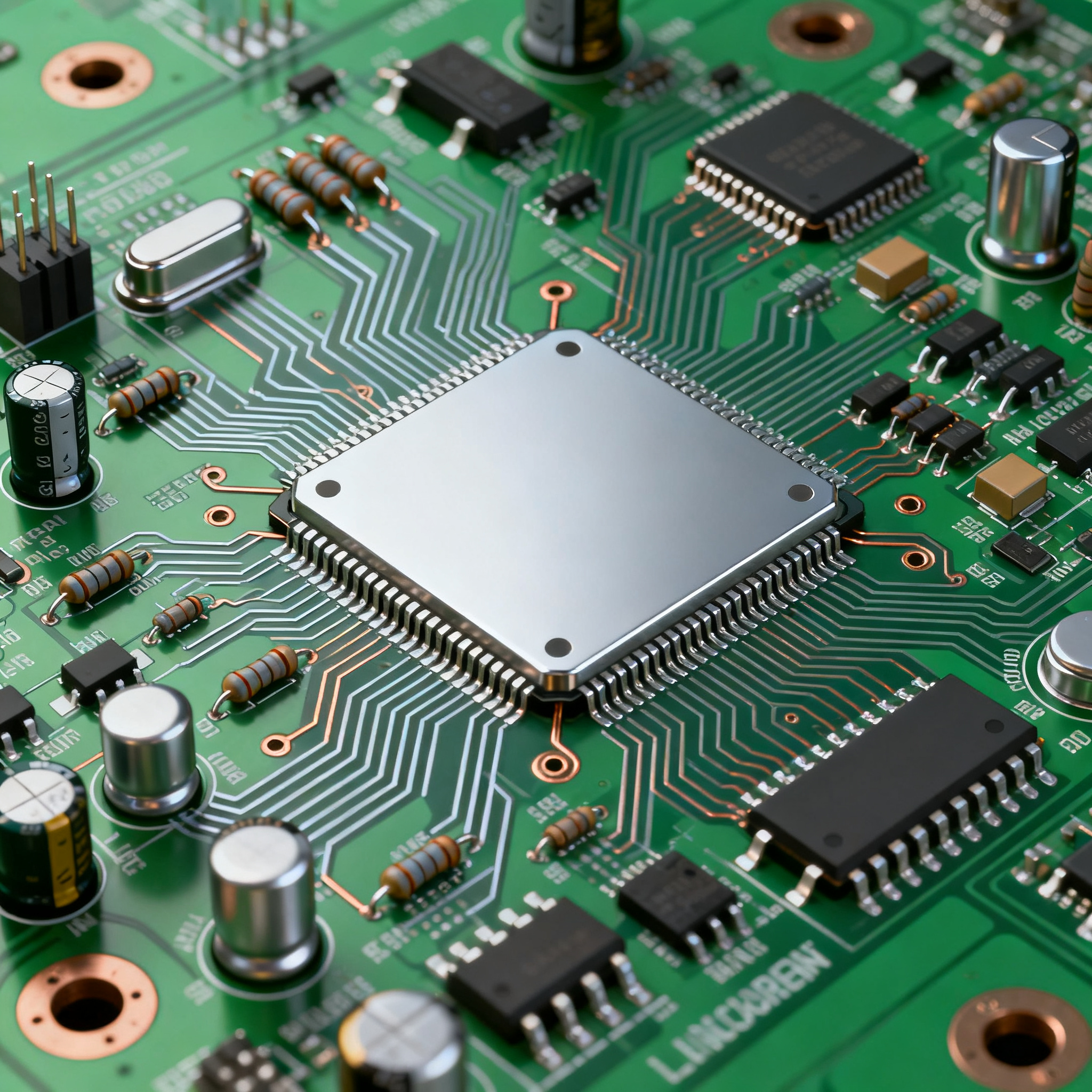
Avionics System PCBA Services: Best Practices for Meeting Rigorous Industry Standards in 2026
Avionics System PCBA Services: Best Practices for Meeting Rigorous Industry Standards in 2026 Introduction The avionics industry is at the forefront of technological advancement, requiring robust and ...
Introduction
The avionics industry is at the forefront of technological advancement, requiring robust and reliable systems to ensure safety and efficiency. As we look towards 2026, the standards for avionics systems, particularly Printed Circuit Board Assemblies (PCBAs), are becoming increasingly stringent. This article delves into the best practices for meeting these rigorous industry standards, focusing on component specifications, datasheets, selection criteria, and application circuits. Understanding these elements is crucial for engineers and manufacturers striving to produce cutting-edge avionics systems.
Technical Overview
Avionics systems are complex assemblies that integrate various electronic components to control and monitor aircraft operations. The architecture of these systems is built on modular principles, allowing for scalability and adaptability. Core concepts include redundancy, fault tolerance, and real-time processing, which are vital for ensuring system reliability and performance. The principles of design for manufacturability and testability are also crucial, guiding the development of PCBAs that meet stringent quality and safety standards. As technology evolves, the integration of advanced processors, memory modules, and communication interfaces becomes essential to support the increasing demands of modern avionics systems.
Detailed Specifications
When designing avionics systems, understanding the core specifications of components is crucial. These specifications, outlined in datasheets, include CPU speed, memory capacity, peripheral interfaces, power requirements, and package types. Selecting components that meet these criteria ensures optimal performance and compliance with industry standards.
| Specification | Details | Importance |
|---|---|---|
| CPU Speed | 2.5 GHz | High processing power for complex computations |
| Memory | 16 GB DDR4 | Ample space for data storage and processing |
| Peripherals | USB, I2C, SPI | Support for connectivity and communication |
| Power Supply | 12V DC | Standard power requirement for avionics systems |
| Package | BGA | Efficient heat dissipation and compact design |
| Operating Temperature | -40°C to +85°C | Wide range for harsh environments |
| Frequency Range | 1 MHz - 1 GHz | Versatile for various applications |
| Data Bus Width | 64-bit | High data throughput |
| Flash Memory | 256 GB | Large capacity for firmware storage |
| Form Factor | Compact PCI | Saves space and weight in aircraft |
Key Takeaways from the Specifications
The specifications table highlights the critical components and their roles in avionics systems. The CPU speed and memory capacity are particularly significant, enabling the processing of complex algorithms and data storage. The choice of peripherals like USB, I2C, and SPI ensures robust communication capabilities. Power supply and package type are essential for efficient operation and integration within the compact spaces of aircraft. Understanding these specifications allows engineers to make informed decisions when selecting components, ensuring compliance with industry requirements and optimizing system performance.
| Parameter | Value | Significance |
|---|---|---|
| Operating Voltage | 3.3V | Standard voltage level for digital circuits |
| Current Consumption | 500 mA | Important for power budgeting |
| Input Leakage Current | 1 µA | Minimal impact on signal integrity |
| Output Drive Current | 20 mA | Ensures adequate signal strength |
| Propagation Delay | 5 ns | Critical for timing-sensitive applications |
| Rise/Fall Time | 2 ns | Impacts signal integrity and speed |
| ESD Protection | 2 kV | Prevents damage from static discharge |
| Power Dissipation | 1.5 W | Needs effective thermal management |
| Frequency Stability | ±50 ppm | Ensures reliable operation over time |
| I/O Voltage Levels | 1.8V, 3.3V | Flexibility for interfacing with different components |
Practical Implications
The electrical characteristics table provides insights into the operational parameters of components within avionics systems. Operating voltage and current consumption are vital for power management, ensuring that the system functions efficiently without exceeding power limits. Propagation delay and rise/fall time are crucial for maintaining signal integrity, especially in high-speed applications. ESD protection is essential for safeguarding components against static discharge, a common issue in avionics environments. Understanding these parameters helps engineers design systems that are not only performant but also reliable and safe.
| Use Case | Configuration | Benefits |
|---|---|---|
| Flight Control Systems | Redundant CPUs, High-Speed Memory | Enhanced reliability and processing power |
| Navigation Systems | High Precision Sensors, Low Power | Accurate positioning with minimal power |
| Communication Systems | Multiple I/O Interfaces, ESD Protection | Robust connectivity with protection |
| Engine Control Units | High Temperature Tolerance, Fast Processing | Reliable operation in extreme conditions |
| In-Flight Entertainment | Large Storage, High Data Throughput | Seamless entertainment experience |
| Environmental Control Systems | Efficient Power Management, Compact Design | Optimized for space and power |
Application Guidelines
The application comparison table outlines various configurations for specific avionics use cases. Flight control systems benefit from redundant CPUs and high-speed memory, ensuring reliability and performance. Navigation systems prioritize high precision sensors and low power consumption for accurate and efficient operation. Communication systems require multiple I/O interfaces and ESD protection to maintain robust connectivity. Understanding these configurations helps engineers tailor their designs to meet the specific needs of different avionics applications, ensuring optimal performance and compliance with industry standards.
Design Considerations
Designing avionics systems involves several considerations to ensure compliance with industry standards and optimal performance. Engineers must prioritize reliability, safety, and efficiency throughout the design process. Key considerations include:
- Redundancy: Implementing redundant systems to enhance reliability and fault tolerance.
- Thermal Management: Ensuring effective heat dissipation to prevent overheating and maintain component lifespan.
- Signal Integrity: Designing PCB layouts that minimize signal interference and maintain data integrity.
- Component Selection: Choosing components that meet industry standards and specific application requirements.
- Compliance with Standards: Adhering to IPC and other relevant standards for PCB design and manufacturing.
- Testing and Validation: Conducting thorough testing and validation to ensure system performance and reliability.
By addressing these considerations, engineers can develop avionics systems that meet the rigorous demands of the industry, ensuring safety and efficiency in aircraft operations.
Step-by-Step Implementation
Implementing avionics systems involves a systematic approach to ensure successful development and deployment. The following steps outline the process:
- Requirement Analysis: Gather and analyze system requirements to understand the specific needs and constraints of the avionics application.
- Component Selection: Choose components that meet the specifications and performance criteria outlined in datasheets and industry standards.
- System Design: Develop a detailed system architecture that incorporates redundancy, fault tolerance, and real-time processing capabilities.
- PCB Design: Create PCB layouts that ensure signal integrity, proper power distribution, and effective thermal management.
- Prototyping: Build prototypes to test and validate the design, ensuring it meets performance and reliability requirements.
- Testing and Validation: Conduct comprehensive testing to verify system functionality, including environmental, electrical, and mechanical tests.
- Certification: Obtain necessary certifications to demonstrate compliance with industry standards and regulations.
- Production and Deployment: Transition from prototyping to full-scale production, ensuring quality control and consistency in manufacturing.
Following these steps ensures the development of avionics systems that are reliable, safe, and compliant with industry standards.
Common Issues & Solutions
Developing avionics systems can present several challenges. Here are common issues and their solutions:
- Signal Interference: Use proper shielding and grounding techniques to minimize interference and maintain signal integrity.
- Thermal Overload: Implement effective heat dissipation methods, such as heatsinks and thermal vias, to manage temperature.
- Component Mismatch: Carefully select components that are compatible and meet the specified requirements.
- ESD Damage: Incorporate ESD protection devices and follow best practices for handling sensitive components.
- Power Management: Design efficient power distribution networks to ensure stable and reliable power delivery.
- Compliance Issues: Stay updated with industry standards and regulations to ensure compliance throughout the design and manufacturing process.
Addressing these issues proactively can prevent costly delays and ensure the successful development of avionics systems.
Applications & Use Cases
Avionics systems find applications in various areas of aircraft operations, each with specific requirements and configurations. Common use cases include:
- Flight Control Systems: Critical for maintaining aircraft stability and control, requiring high reliability and real-time processing.
- Navigation Systems: Essential for accurate positioning and route planning, utilizing precision sensors and efficient power management.
- Communication Systems: Provide robust connectivity for data exchange and coordination, with multiple I/O interfaces and ESD protection.
- Engine Control Units: Manage engine performance and efficiency, operating reliably under extreme temperature conditions.
- In-Flight Entertainment: Enhance passenger experience with seamless entertainment options, requiring large storage and high data throughput.
Understanding these use cases helps engineers design systems that meet the specific demands of each application, ensuring optimal performance and compliance with industry standards.
Selection & Sourcing Guide
Choosing the right components for avionics systems is critical for meeting performance and compliance requirements. Engineers should consider:
- Datasheet Analysis: Review datasheets for specifications, electrical characteristics, and environmental tolerances.
- Industry Standards: Ensure components comply with relevant standards, such as IPC and FAA regulations.
- Supplier Reputation: Source components from reputable suppliers with a track record of quality and reliability.
- Cost vs. Performance: Balance cost considerations with performance requirements to select the most suitable components.
For sourcing components, visit IC Online for a comprehensive selection of electronic components tailored to avionics applications.
FAQ
Here are some frequently asked questions about avionics systems and PCBAs:
- What are the key components of an avionics system? Avionics systems typically include processors, memory modules, sensors, communication interfaces, and power management units.
- Why is redundancy important in avionics systems? Redundancy enhances system reliability by providing backup components that can take over in case of failure.
- How do I ensure compliance with industry standards? Stay updated with relevant standards and regulations, and conduct thorough testing and certification to demonstrate compliance.
- What are common challenges in designing avionics systems? Challenges include managing signal interference, thermal overload, component mismatch, and ensuring compliance with standards.
- How can I improve signal integrity in PCB designs? Use proper shielding, grounding, and routing techniques to minimize interference and maintain signal quality.
- What is the role of thermal management in avionics systems? Effective thermal management prevents overheating and extends the lifespan of components.
- How do I select the right components for my avionics system? Consider specifications, compliance with standards, supplier reputation, and cost-performance balance.
- Why is testing important in avionics system development? Testing verifies system functionality, performance, and reliability, ensuring the system meets industry standards.
- What are some common use cases for avionics systems? Use cases include flight control systems, navigation systems, communication systems, engine control units, and in-flight entertainment.
- Where can I source components for avionics systems? Visit IC Online for a wide range of components tailored to avionics applications.
Conclusion
Meeting the rigorous industry standards for avionics systems in 2026 requires a comprehensive understanding of component specifications, selection criteria, and application circuits. By adhering to best practices in design, testing, and compliance, engineers can develop systems that are reliable, safe, and efficient. The insights provided in this article serve as a valuable guide for navigating the complexities of avionics system development, ensuring success in this demanding field.