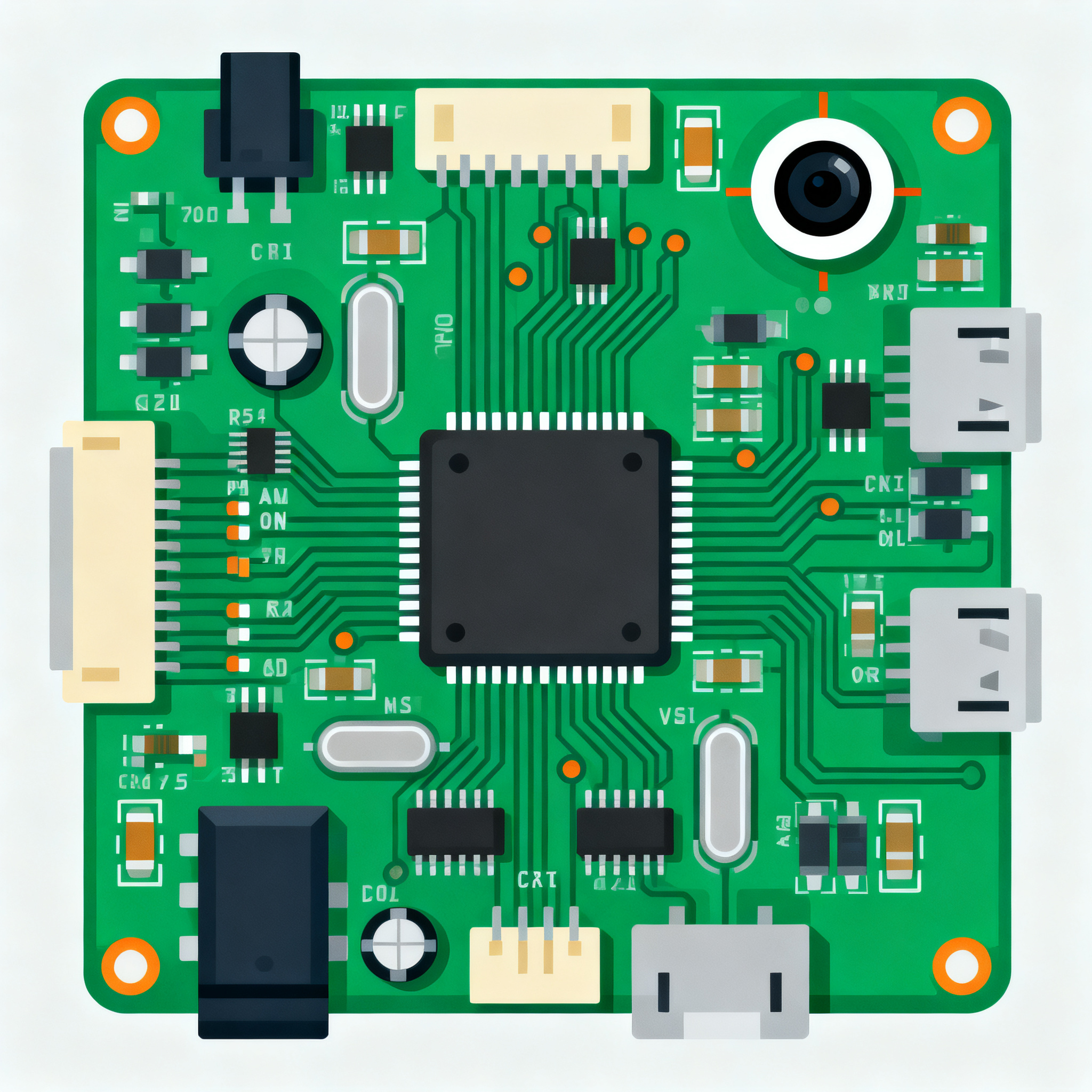
Challenges in Home Security PCB Design: Lessons from Recent Failures
In the realm of home security system PCB manufacturing, ensuring reliability and performance is paramount. Recent incidents have highlighted the importance of meticulous design and manufacturing processes to prevent costly recalls and safeguard brand reputation. For instance, the failure of a PCB in a security system can lead to serious consequences, such as system downtime or even a breach in security. According to
HT Global Circuits, a single PCB failure in a safety system could trigger a costly recall and irrevocably damage a brand’s reputation. This underscores the critical need for reliability in PCB manufacturing for home security systems.
One of the prevalent challenges in this domain is the occurrence of defects during the Surface Mount Technology (SMT) placement and soldering process, which can lead to failures in the field. As highlighted by
HCDPCBA, minimizing defects through rigorous reliability testing is crucial to maximizing the lifespan of security systems. Moreover, the complexity of integrating multiple components, such as microprocessors and sensors, into compact PCB designs often leads to thermal management issues, which can compromise the performance and longevity of the boards.
Additionally, supply chain disruptions have been a significant issue over the past year, affecting the availability of critical components and materials needed for PCB manufacturing. These disruptions can lead to extended lead times and increased costs, impacting the overall project timeline and budget.
Fundamentals of Designing Home Security System PCBs: Key Specifications and Applications
Designing PCBs for home security systems involves a thorough understanding of various technical specifications and compliance requirements. To ensure optimal functionality and reliability, engineers must consider factors such as impedance control, thermal management, and electromagnetic compatibility (EMC).
| Parameter | Value/Range | Unit/Notes |
|---|
| Impedance Control | 50 ± 10% | Ohms |
| Thermal Conductivity | 0.8 - 2.0 | W/mK |
| Layer Count | 2-12 | Layers |
| Trace Width | 4 - 10 | mil |
| Dielectric Constant | 2.5 - 4.5 | 1 (unitless) |
| Operating Temperature | -40 to 85 | °C |
| Surface Finish | ENIG, HASL | Type |
| Minimum Drill Size | 0.2 | mm |
| Board Thickness | 1.6 | mm |
| Signal Integrity | High | Quality |
Key Takeaways
The specifications outlined above are crucial for ensuring the effective operation of home security PCBs. Impedance control is vital for maintaining signal integrity, especially in high-frequency applications. Thermal conductivity and operating temperature range are critical for managing heat dissipation, which can affect the performance of the board. Additionally, the choice of surface finish, such as ENIG (Electroless Nickel Immersion Gold) or HASL (Hot Air Solder Leveling), influences the board's durability and solderability.
In terms of applications, home security system PCBs are employed in a variety of settings, from alarm systems and surveillance cameras to smart locks and motion detectors. Each application demands specific design considerations to ensure optimal performance and reliability.
| Application | Design Considerations | Compliance Requirements |
|---|
| Alarm Systems | High reliability, low power consumption | IPC-A-610 Class 2 |
| Surveillance Cameras | High resolution, thermal management | ISO 9001 |
| Smart Locks | Compact design, secure communication | IPC-2221 |
| Motion Detectors | Fast response, energy efficiency | IEC 62368-1 |
| Access Control Systems | Robustness, reliability | EN 50131 |
| Smoke Detectors | Low false alarm rate, durability | UL 217 |
Practical Implications
The design considerations for each application highlight the need for tailored PCB solutions that meet specific performance and compliance criteria. For example, alarm systems require high reliability and low power consumption to ensure continuous operation, while surveillance cameras demand effective thermal management to maintain high-resolution video capture. Compliance with standards such as IPC-A-610 and ISO 9001 is essential to ensure quality and safety.
Evaluating PCB Manufacturing Options: A Comparative Analysis of Solutions
When selecting a PCB manufacturing solution for home security systems, it is crucial to evaluate different options based on factors like cost, quality, lead time, and technology capabilities.
| Comparison Metric | Option A (HCDPCBA) | Option B (RayPCB) | Selection Criteria & Failure Boundary |
| Cost | Moderate | Low | Balance cost with quality needs |
| Quality | High, zero defects policy | Good, industry standard | Ensure quality for critical systems |
| Lead Time | 2-4 weeks | 3-5 weeks | Consider project timelines |
| Technology Capabilities | Multi-layer, HDI | Standard, flexible PCBs | Match with design complexity |
| Compliance | IPC, ISO certified | ISO certified | Ensure adherence to standards |
Design Considerations
Choosing between different PCB manufacturers involves assessing the trade-offs between cost and quality. HCDPCBA offers high-quality boards with a focus on zero defects, making them suitable for critical security applications, whereas RayPCB provides cost-effective solutions with standard capabilities. The decision should be based on the specific requirements of the security system, including the complexity of the design and the importance of compliance with industry standards.
Ensuring Compliance and Risk Management in Security PCB Manufacturing
Compliance with industry standards and effective risk management are critical components of successful home security PCB manufacturing. Adhering to standards such as IPC-A-610 Class 2/3, IPC-2221, and ISO 9001 ensures that the PCBs meet the necessary quality and safety requirements.
To manage risks, manufacturers should implement robust quality control processes, including regular inspections and testing throughout the production cycle. This involves conducting functional testing, reliability testing, and thermal analysis to identify and address potential issues before mass production. Additionally, engaging with certified manufacturers and conducting regular audits can help ensure compliance with the latest regulatory changes and mitigate risks associated with supply chain disruptions.
Key Considerations for Home Security PCB Design: Expert Insights
- Q: What are the critical design factors to consider for home security PCBs?
A: Critical factors include reliability, component selection, thermal management, and adherence to industry standards. Ensuring that the PCB can withstand environmental stresses and maintain performance over time is essential for security applications.
- Q: How can I ensure my home security PCB design meets compliance standards?
A: Engage with certified manufacturers, conduct regular audits, and stay updated on relevant regulatory changes. This proactive approach helps in maintaining compliance and ensuring the quality of the PCBs.
- Q: What testing methodologies should I apply during PCB prototyping?
A: Utilize functional testing, reliability testing, and thermal analysis to validate designs before mass production. These methodologies help identify potential issues early in the development process.
- Q: How do I select the right PCB manufacturer for my security systems?
A: Consider factors such as experience in security PCB production, quality certifications, and the ability to handle specific design requirements. A manufacturer with a proven track record in the security industry is preferable.
- Q: What are the common challenges in assembling PCBs for home security systems?
A: Challenges include managing component placement precision, ensuring solder joint reliability, and addressing thermal issues. These factors are crucial for maintaining the integrity and functionality of the PCB.
References & Further Reading
In conclusion, manufacturing PCBs for home security systems involves navigating various challenges and adhering to stringent design and compliance standards. By understanding the key specifications, evaluating manufacturing options, and implementing effective risk management strategies, engineers and procurement professionals can ensure the reliability and performance of security systems. NovaPCBA offers comprehensive assembly capabilities to meet these demands, ensuring high-quality outcomes for home security applications.