Introduction
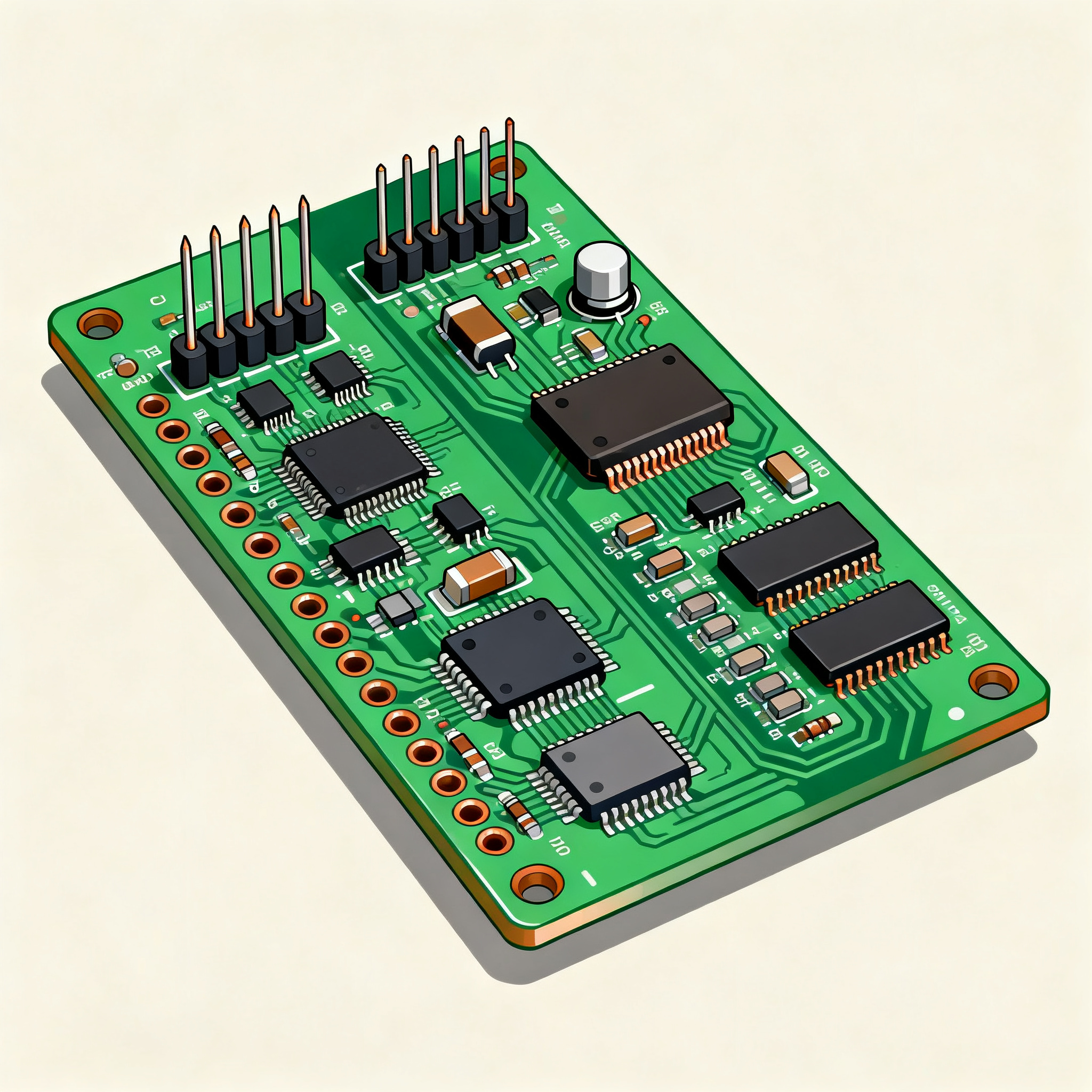
In the world of electronics, printed circuit boards (PCBs) serve as the backbone for most devices, from simple gadgets to complex industrial systems. As technology evolves, the choice between through-hole and surface mount technology (SMT) becomes increasingly critical. This decision impacts not only the manufacturing process but also the performance, reliability, and cost-effectiveness of the final product. Engineers must consider various factors, including component specifications, application requirements, and production capabilities, to make an informed choice. This article explores the differences between through-hole and SMT, providing valuable insights into component specifications, performance metrics, and application scenarios.
Technical Overview
Through-hole technology (THT) and surface mount technology (SMT) represent two distinct methodologies for mounting components onto PCBs. THT involves inserting component leads through pre-drilled holes on the PCB, which are then soldered to pads on the opposite side. This method provides strong mechanical bonds, making it suitable for applications prone to physical stress. However, it requires more space and longer manufacturing times.
SMT, on the other hand, mounts components directly onto the surface of the PCB. This technique allows for higher component density, reduced board size, and faster assembly processes. SMT components are typically smaller and lighter, which makes them ideal for compact and portable devices. Despite these advantages, SMT may not provide the same mechanical strength as THT, making it less suitable for high-stress environments.
Both technologies have their unique benefits and limitations. Engineers must weigh these factors against project-specific criteria such as electrical performance, thermal management, and cost constraints. Understanding the core principles of each technology is crucial for selecting the appropriate approach for a given application.
Detailed Specifications
When choosing between through-hole and SMT, understanding key specifications is essential. These specifications, often detailed in component datasheets, include parameters such as size, weight, power rating, and tolerance. They provide insights into how a component will perform under specific conditions and help identify the best fit for an application.
| Parameter | Through-Hole | Surface Mount |
| Size | Larger, due to lead length | Smaller, compact design |
| Weight | Heavier | Lighter |
| Power Rating | Higher, due to robust leads | Lower |
| Tolerance | ±5% | ±1% |
| Thermal Resistance | Lower | Higher |
| Assembly Time | Longer | Shorter |
| Cost | Higher | Lower |
| Reliability | High | Moderate |
| Solder Joint Strength | Higher | Lower |
| Application Flexibility | Limited | High |
Key Takeaways from the Specifications
The data in the table highlights the fundamental differences between through-hole and SMT components. Through-hole components tend to be larger and heavier, which can be beneficial for applications requiring high power ratings and mechanical strength. However, they also result in longer assembly times and higher costs. SMT components, on the other hand, offer size and weight advantages, making them suitable for compact devices. They provide greater application flexibility and are generally more cost-effective. Engineers should consider these specifications carefully to ensure the chosen technology aligns with the project's requirements.
| Metric | Through-Hole | Surface Mount |
| Operating Temperature Range | -40°C to 125°C | -55°C to 125°C |
| Voltage Rating | Up to 1000V | Up to 500V |
| Current Rating | Up to 20A | Up to 5A |
| Thermal Conductivity | High | Moderate |
| ESD Sensitivity | Low | High |
| Inductance | High | Low |
| Capacitance | Low | High |
| Signal Integrity | High | Moderate |
| Frequency Response | Low | High |
| Heat Dissipation | Efficient | Less Efficient |
Practical Implications
Performance metrics reveal how each technology handles electrical and thermal stress. Through-hole components generally offer better thermal conductivity and higher current ratings, making them suitable for high-power applications. They also provide excellent signal integrity, crucial for low-frequency circuits. SMT components, however, excel in high-frequency applications due to their lower inductance and enhanced capacitance. While they may be more sensitive to ESD and less efficient at heat dissipation, their compact size and versatility often outweigh these drawbacks. Designers must balance these metrics against their specific application needs.
| Application | Through-Hole | Surface Mount |
| Consumer Electronics | Limited | Preferred |
| Automotive | Preferred | Limited |
| Industrial Equipment | Preferred | Limited |
| Telecommunications | Limited | Preferred |
| Aerospace | Preferred | Limited |
| Medical Devices | Limited | Preferred |
| Wearable Technology | Not Suitable | Preferred |
| High-Frequency Devices | Not Suitable | Preferred |
Application Guidelines
The application matrix provides a clear view of where each technology excels. SMT is the go-to choice for consumer electronics, telecommunications, and wearable technology due to its compact form factor and ease of assembly. Through-hole technology, with its robust mechanical properties, is better suited for automotive, industrial, and aerospace applications where reliability and strength are paramount. Understanding these application guidelines helps engineers select the right components to meet their design and performance goals.
Design Considerations
When designing a PCB, engineers must carefully consider the unique requirements of their project to choose between through-hole and SMT. Key factors include:
- Mechanical Stress: For applications subject to mechanical stress, such as automotive or industrial equipment, through-hole components provide superior strength.
- Component Density: SMT allows for higher component density, reducing board size and weight, critical for portable and wearable devices.
- Thermal Management: Through-hole components often offer better heat dissipation, essential for high-power applications.
- Assembly Process: SMT enables faster and more automated assembly processes, lowering production costs.
- Cost Considerations: While SMT components are typically cheaper, the overall cost must consider assembly and reliability aspects.
- Signal Integrity: Through-hole components may offer better signal integrity for low-frequency applications.
- Environmental Factors: Consider operating temperature ranges and environmental conditions to ensure reliability.
By weighing these considerations, engineers can make informed decisions that align with their project's specific needs and constraints.
Step-by-Step Implementation
Implementing the right technology involves several critical steps:
- Define Application Requirements: Understand the specific needs of your application, including size, weight, power, and reliability.
- Select Components: Use datasheets to compare specifications and choose components that meet your criteria.
- Design PCB Layout: Develop a PCB layout that accommodates your chosen technology, ensuring optimal placement and routing.
- Prototype Testing: Build prototypes to test performance, reliability, and manufacturability.
- Iterate Design: Make necessary adjustments based on prototype feedback to improve performance and manufacturability.
- Finalize Design: Complete the final design, ensuring all components are specified and sourced.
- Production and Assembly: Choose a reliable PCB manufacturer and assembly service, considering factors like MOQ and turnaround time.
- Quality Assurance: Implement IPC standards for inspection to ensure the quality and reliability of the final product.
These steps provide a roadmap for successfully implementing the chosen technology, minimizing risks, and ensuring the final product meets all performance and quality standards.
Common Issues & Solutions
Despite careful planning, engineers may encounter common issues during PCB design and assembly:
- Component Misalignment: Ensure precise placement using automated pick-and-place machines for SMT components.
- Solder Joint Failures: Implement appropriate soldering techniques and inspection protocols to prevent joint issues.
- Thermal Management Challenges: Incorporate heat sinks or thermal vias for effective heat dissipation in through-hole designs.
- Signal Interference: Use proper grounding and shielding techniques to enhance signal integrity, especially for high-frequency circuits.
- ESD Damage: Implement ESD protection measures, particularly for sensitive SMT components.
- Environmental Stress: Choose components with appropriate temperature and humidity ratings to withstand environmental conditions.
By proactively addressing these issues, engineers can enhance the reliability and performance of their PCB designs.
Applications & Use Cases
Real-world applications showcase the versatility of both through-hole and SMT technologies:
- Consumer Electronics: SMT is widely used in smartphones, tablets, and laptops for its compact size and cost-effectiveness.
- Automotive Systems: Through-hole components are preferred for engine control units and powertrain applications due to their robustness.
- Industrial Automation: A mix of both technologies is used, balancing reliability and component density for control systems.
- Aerospace Electronics: Through-hole technology is favored for its reliability in harsh environments.
- Medical Devices: SMT is chosen for portable diagnostic equipment and implantable devices.
- Wearable Technology: SMT enables the miniaturization required for fitness trackers and smartwatches.
These examples highlight how each technology can be leveraged to meet specific industry requirements and application challenges.
Selection & Sourcing Guide
Selecting and sourcing the right components is crucial for successful PCB design. Use resources like
IC Online to find components that meet your specifications. Consider factors such as lead times, availability, and supplier reputation to ensure timely and reliable procurement.
FAQ
- What is the main difference between through-hole and SMT? Through-hole technology involves inserting leads through PCB holes, providing strong mechanical bonds, while SMT mounts components directly onto the PCB surface, allowing for higher density and smaller size.
- Which technology is better for high-power applications? Through-hole components are generally better suited for high-power applications due to their robust leads and superior thermal management.
- Can SMT components handle mechanical stress? SMT components are less suited for environments with significant mechanical stress due to weaker solder joints compared to through-hole components.
- Are there cost differences between through-hole and SMT? SMT components are typically cheaper, but overall costs depend on assembly processes and equipment.
- How does component size affect PCB design? Smaller SMT components allow for more compact PCB designs, beneficial for portable and wearable devices.
- What are the thermal considerations for SMT? SMT components may require additional thermal management solutions due to higher thermal resistance compared to through-hole components.
- How do I ensure signal integrity in my design? Use proper grounding, shielding, and component placement to enhance signal integrity, especially in high-frequency applications.
- What standards should I follow for quality assurance? Follow IPC standards for PCB design, assembly, and inspection to ensure quality and reliability.
- Can I mix through-hole and SMT components on the same PCB? Yes, hybrid designs are common and can balance the advantages of both technologies.
- Where can I find reliable component suppliers? Use platforms like IC Online to source components from reputable suppliers.
Conclusion
Choosing between through-hole and SMT is a critical decision that impacts every aspect of PCB design and manufacturing. By understanding the specifications, performance metrics, and application scenarios, engineers can make informed choices that align with their project's needs. Whether prioritizing mechanical strength or component density, the right technology enhances the performance, reliability, and cost-effectiveness of the final product.