Custom PCB Cost Analysis: Factors Influencing Expenses for High-Volume Manufacturing
Custom PCB Cost Analysis: Factors Influencing Expenses for High-Volume Manufacturing table { border-collapse: collapse; width: 100%; margin: 20px 0; } th, td { border: 1px solid #ddd; padding: 8px; } ...
Introduction
In the ever-evolving electronics industry, printed circuit boards (PCBs) form the backbone of most electronic devices. With the rise in high-volume manufacturing, understanding the factors influencing the cost of custom PCBs is vital for businesses aiming to optimize their production processes. This article delves into the intricacies of PCB cost analysis, focusing on layout rules, stackup design, signal integrity, and manufacturing considerations. By adhering to industry standards and leveraging technological advancements, manufacturers can achieve cost-effective solutions without compromising on quality.
Technical Overview
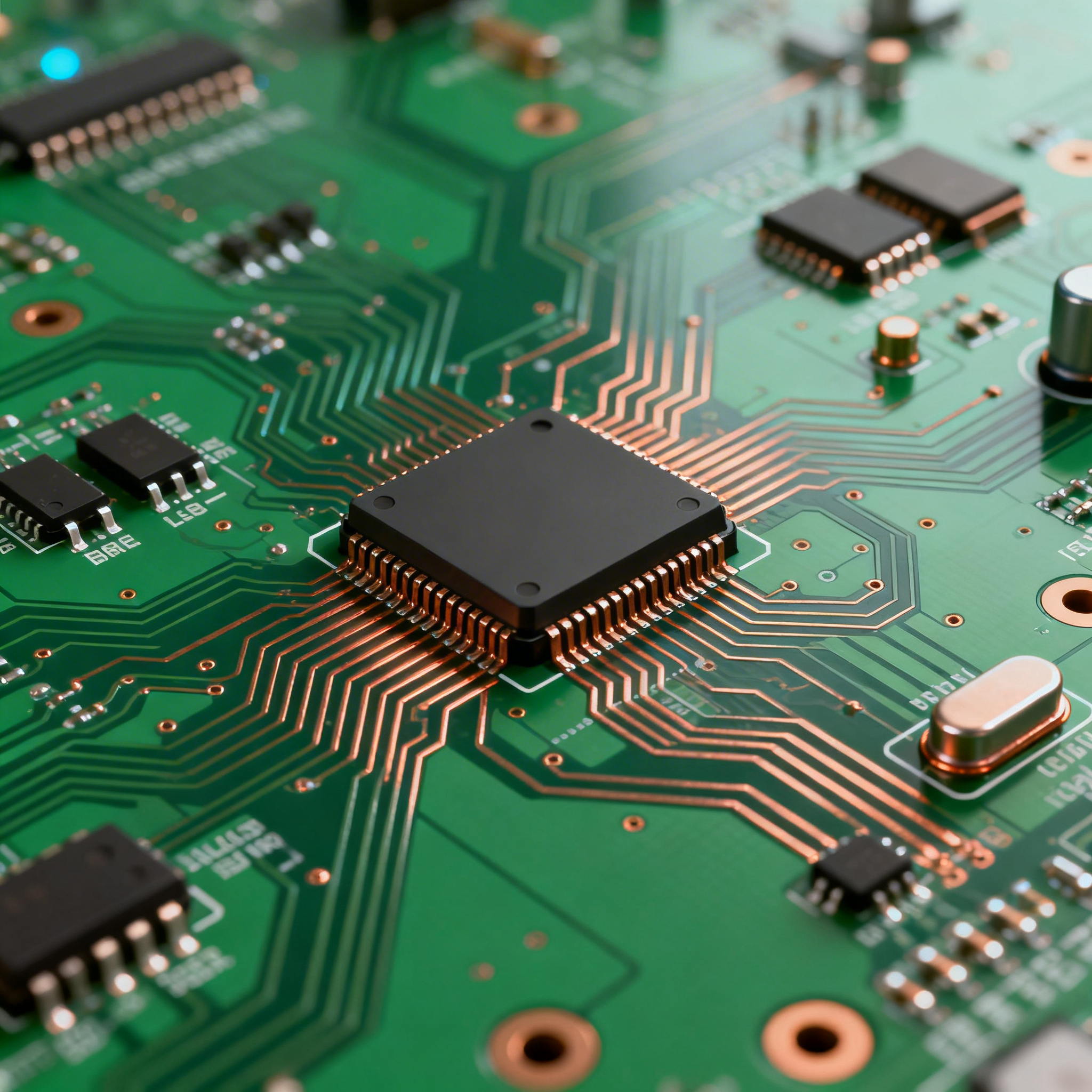
The design and manufacturing of PCBs involve several technical considerations that directly impact their cost. Key elements include PCB layout rules, stackup design, signal integrity, and manufacturing capabilities. The layout rules dictate the trace width, spacing, and via sizes, which are crucial for ensuring electrical performance and reliability. Stackup design refers to the arrangement of layers within the PCB, influencing its mechanical and electrical properties. Signal integrity is essential for maintaining the quality of electrical signals, while manufacturing considerations encompass the choice of materials and processes used in fabrication. Adhering to standards like IPC-A-610 and IPC-2221 ensures compliance with global quality benchmarks.
Detailed Specifications
Understanding the detailed specifications of PCB design is crucial for optimizing cost and performance. Critical specifications include trace width, spacing, via sizes, and clearances, which affect the board's electrical and mechanical characteristics. The following table provides a comprehensive overview of these design rules.
| Design Rule | Minimum Value | Recommended Value |
|---|---|---|
| Trace Width | 0.1 mm | 0.2 mm |
| Trace Spacing | 0.1 mm | 0.2 mm |
| Via Diameter | 0.2 mm | 0.3 mm |
| Annular Ring | 0.1 mm | 0.15 mm |
| Clearance to Edge | 0.5 mm | 1.0 mm |
| Drill Size | 0.3 mm | 0.4 mm |
| Aspect Ratio | 6:1 | 8:1 |
| Pad Diameter | 0.6 mm | 0.8 mm |
| Solder Mask Clearance | 0.05 mm | 0.1 mm |
| Copper Thickness | 18 μm | 35 μm |
Key Takeaways from the Specifications
The data presented in the table highlights the critical design rules that must be adhered to for optimal PCB performance. Understanding these specifications is essential for ensuring signal integrity and mechanical robustness. For instance, trace width and spacing are pivotal in managing current capacity and reducing the risk of short circuits. The choice of via diameter and annular ring size impacts the reliability of electrical connections. By adhering to recommended values, manufacturers can achieve a balance between cost and performance, ultimately leading to a more efficient production process.
| Configuration | Number of Layers | Application |
|---|---|---|
| Single Layer | 1 | Simple Circuits |
| Double Layer | 2 | Intermediate Circuits |
| Four Layer | 4 | Complex Circuits |
| Six Layer | 6 | High-Speed Applications |
| Eight Layer | 8 | Advanced High-Speed |
| Ten Layer | 10 | High-Density Interconnects |
| Twelve Layer | 12 | RF and Microwave Applications |
Practical Implications
The choice of layer stackup is a crucial factor in PCB manufacturing, influencing both the cost and functional capability of the board. Single and double-layer PCBs are cost-effective for simpler circuits, while multi-layer boards are essential for more complex applications requiring higher signal integrity and reduced electromagnetic interference. The table above outlines various stackup configurations, each catering to specific applications. Understanding these options allows designers to select the appropriate configuration based on the complexity and performance requirements of the end product.
| Material | Dielectric Constant (Dk) | Loss Tangent (Df) |
|---|---|---|
| FR-4 | 4.5 | 0.02 |
| Rogers 4350B | 3.66 | 0.0037 |
| Rogers 5880 | 2.2 | 0.0009 |
| Isola FR408HR | 3.75 | 0.009 |
| Nelco N4000-13 | 3.7 | 0.007 |
| Duroid 5880 | 2.2 | 0.0009 |
| Polyimide | 4.2 | 0.004 |
| Arlon 85N | 3.5 | 0.003 |
| Megtron 6 | 3.7 | 0.002 |
| PTFE | 2.1 | 0.001 |
Application Guidelines
The choice of material for PCB manufacturing is pivotal in determining the board's electrical performance and cost. Materials like FR-4 are commonly used for their balance of performance and affordability, while Rogers materials are preferred for high-frequency applications due to their low loss tangent. The dielectric constant affects the signal speed and impedance, making it a critical parameter for high-speed and RF applications. By selecting the appropriate material based on dielectric properties, manufacturers can optimize both the cost-effectiveness and performance of their PCBs.
Design Considerations
Designing a PCB for high-volume manufacturing requires a careful balance between performance, cost, and manufacturability. Key considerations include adhering to design rules that ensure electrical performance, selecting appropriate layer stackups for signal integrity, and choosing materials that meet both performance and budgetary constraints. Additionally, leveraging automated design tools can streamline the design process, reducing the likelihood of errors and facilitating seamless integration with manufacturing processes. Collaboration with PCB manufacturers early in the design phase can also help identify potential issues and optimize designs for production efficiency. By focusing on these design considerations, engineers can develop robust PCB solutions that meet the demands of high-volume applications.
Step-by-Step Implementation
The following steps outline the process of designing and manufacturing a custom PCB for high-volume production:
- Define Requirements: Clearly outline the electrical, mechanical, and environmental requirements of the PCB, including size, functionality, and operating conditions.
- Choose Materials: Select appropriate materials based on dielectric properties, thermal performance, and cost considerations, ensuring compatibility with the intended application.
- Design the Schematic: Create a detailed schematic that accurately represents the electrical connections and components of the PCB.
- Layout Design: Use PCB design software to layout the board, adhering to design rules for trace width, spacing, and via sizes to ensure optimal performance.
- Review and Optimize: Conduct a thorough design review to identify potential issues, optimize the layout for manufacturability, and ensure compliance with industry standards.
- Prototype and Test: Manufacture a prototype to validate the design, conducting electrical and mechanical tests to ensure it meets the specified requirements.
- Finalize Design: Incorporate any necessary changes from the testing phase and finalize the design for high-volume manufacturing.
- Manufacture and Assemble: Partner with a reputable PCB manufacturer to produce and assemble the boards, ensuring quality control throughout the process.
Common Issues & Solutions
High-volume PCB manufacturing can present several challenges, but understanding common issues and their solutions can mitigate risks:
- Solder Bridging: Address by optimizing solder mask design and using appropriate solder paste stencils.
- Signal Integrity Issues: Mitigate by careful trace routing, maintaining consistent impedance, and using proper grounding techniques.
- Thermal Management: Implement heat sinks, thermal vias, and appropriate material selection to manage heat dissipation.
- Component Misalignment: Ensure precise component placement through automated pick-and-place machines and accurate solder paste application.
- Delamination: Prevent by selecting high-quality materials and optimizing the lamination process to avoid moisture ingress.
- Electromagnetic Interference (EMI): Reduce EMI by using proper shielding techniques and maintaining adequate trace spacing.
Applications & Use Cases
Custom PCBs are integral to a wide range of applications, from consumer electronics to industrial systems. In consumer electronics, PCBs enable compact, efficient designs in smartphones and wearables. In the automotive industry, PCBs are crucial for advanced driver-assistance systems (ADAS) and infotainment systems. Industrial applications include control systems and robotics, where PCBs ensure reliable performance in harsh environments. By understanding the specific requirements of each application, engineers can tailor PCB designs to meet unique challenges and enhance functionality.
Selection & Sourcing Guide
When sourcing components for PCB manufacturing, consider utilizing platforms like IC Online for a wide selection of electronic components. This ensures access to quality parts, competitive pricing, and reliable supply chains, facilitating efficient production processes and minimizing delays.
FAQ
- What are the key factors influencing PCB cost? The main factors include material selection, layer count, design complexity, and manufacturing processes.
- How do I choose the right PCB material? Consider factors such as dielectric constant, loss tangent, thermal properties, and cost to determine the best fit for your application.
- What is the importance of signal integrity in PCB design? Signal integrity ensures reliable data transmission by minimizing signal degradation and interference.
- How can I reduce EMI in my PCB design? Use proper grounding, shielding techniques, and maintain adequate trace spacing to minimize electromagnetic interference.
- What is the role of IPC standards in PCB manufacturing? IPC standards provide guidelines for design, quality, and assembly, ensuring consistency and reliability in PCB production.
- How do I ensure my PCB design is manufacturable? Collaborate with manufacturers early in the design phase, adhere to design rules, and conduct thorough design reviews.
- What are common issues in high-volume PCB manufacturing? Issues include solder bridging, signal integrity problems, and thermal management challenges.
- How can automated design tools benefit PCB design? They streamline the design process, reduce errors, and facilitate integration with manufacturing processes.
- What is the significance of layer stackup in PCB design? Layer stackup affects signal integrity, cost, and manufacturability, and should be chosen based on application requirements.
- How do I test a PCB prototype? Conduct electrical and mechanical tests to validate the design and ensure it meets specified requirements before high-volume production.
Conclusion
Custom PCB cost analysis is a multifaceted process that requires careful consideration of design rules, material properties, and manufacturing capabilities. By understanding the factors influencing PCB costs and adhering to industry standards, businesses can optimize their production processes for high-volume manufacturing. This not only enhances product quality but also ensures cost-effectiveness and reliability in today’s competitive electronics market.