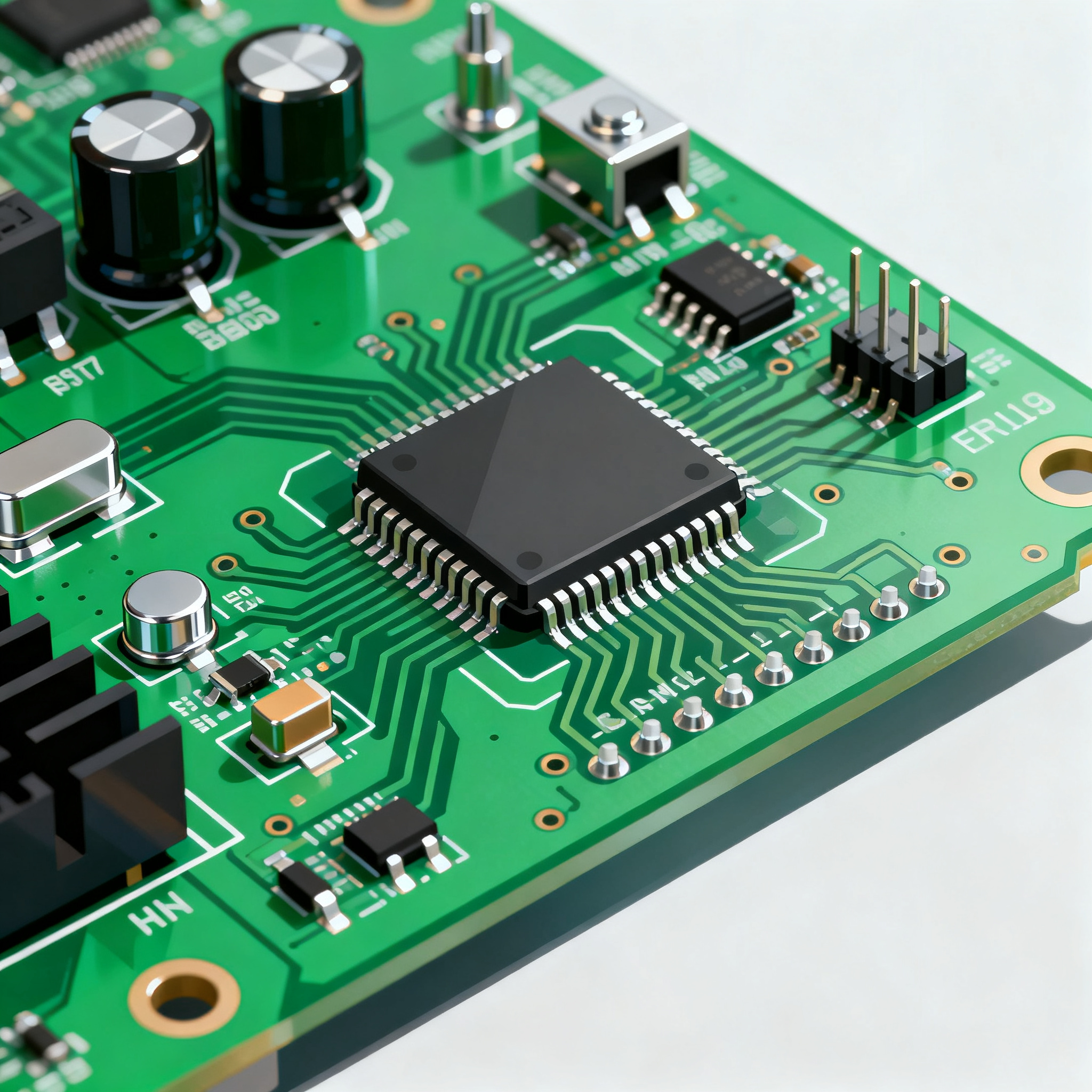
Ensuring Excellence: Key PCBA Quality Control Measures for High Reliability
Ensuring Excellence: Key PCBA Quality Control Measures for High Reliability table { border-collapse: collapse; width: 100%; margin: 20px 0; } th, td { border: 1px solid #ddd; padding: 8px; } th { back...
Introduction
In the fast-evolving world of electronics, ensuring the quality and reliability of Printed Circuit Board Assemblies (PCBA) is crucial. With the increasing complexity of devices, the demand for high-reliability PCBAs has never been greater. The reliability of these assemblies directly impacts the performance and longevity of electronic devices. This article will delve into the critical quality control measures that ensure excellence in PCBA, focusing on PCB layout rules, stackup design, signal integrity, and manufacturing considerations.
Technical Overview
PCBA quality control is an intricate process that involves various stages, from design to manufacturing. At the core, it includes adherence to specific design rules and standards, careful selection of materials, and rigorous testing. The architecture of a PCB must accommodate the electrical and mechanical requirements of the final product. Key principles include the optimization of trace widths, spacing, and stackup design to ensure signal integrity and thermal management. These elements are governed by standards such as IPC-2221 and IPC-A-610, which provide guidelines for design and quality assurance.
Detailed Specifications
Understanding the specifications involved in PCB design is vital for ensuring high reliability. These specifications dictate the layout rules, material properties, and stackup configurations that influence the performance and manufacturability of a PCB. Below are tables detailing these critical elements.
| Design Parameter | Minimum Value | Recommended Value |
|---|---|---|
| Trace Width | 0.1 mm | 0.2 mm |
| Trace Spacing | 0.1 mm | 0.2 mm |
| Via Diameter | 0.3 mm | 0.4 mm |
| Annular Ring | 0.05 mm | 0.1 mm |
| Pad to Trace Clearance | 0.1 mm | 0.15 mm |
| Silkscreen to Pad Clearance | 0.1 mm | 0.2 mm |
| Component Spacing | 0.2 mm | 0.5 mm |
| Edge Clearance | 0.5 mm | 1 mm |
| Drill Hole Size | 0.3 mm | 0.5 mm |
| Layer Count | 2 layers | 4 layers |
Key Takeaways from the Specifications
The specifications outlined above are fundamental to achieving a reliable PCB design. Adhering to minimum trace width and spacing ensures adequate current carrying capacity and reduces the risk of short circuits. Appropriate via sizes and clearances are essential for maintaining signal integrity and mechanical strength. These parameters, when optimized, contribute to the overall performance and durability of the PCBA. Designers must pay close attention to these details to avoid costly reworks and ensure compliance with industry standards.
| Layer Configuration | Use Case | Benefits |
|---|---|---|
| 2-Layer | Simple Devices | Cost-effective |
| 4-Layer | Complex Circuits | Improved Signal Integrity |
| 6-Layer | High-Speed Applications | Better EMI Performance |
| 8-Layer | Advanced Systems | Enhanced Power Distribution |
| 10-Layer | High-Density Designs | Superior Thermal Management |
| 12-Layer | Critical Applications | Maximum Routing Flexibility |
Practical Implications
Choosing the right layer stackup configuration is crucial for meeting the specific requirements of a project. For instance, a 2-layer board might suffice for simple devices, but complex circuits often benefit from a 4-layer design. As the layer count increases, so do the benefits, such as improved signal integrity and thermal management. However, these advantages come at a higher cost, making it essential to balance performance needs with budget constraints.
| Material | Dielectric Constant (Dk) | Loss Tangent (Df) |
|---|---|---|
| FR-4 | 4.5 | 0.02 |
| Rogers 4350B | 3.66 | 0.0037 |
| Rogers 4003C | 3.38 | 0.0027 |
| Isola FR408HR | 3.75 | 0.0098 |
| Megtron 6 | 3.3 | 0.002 |
| Nelco N4000-13 | 3.7 | 0.009 |
| Arlon 85N | 3.5 | 0.004 |
| Panasonic R-1755V | 4.2 | 0.015 |
| Taconic RF-35 | 3.5 | 0.0018 |
| DuPont Pyralux | 4.0 | 0.02 |
Application Guidelines
The choice of material significantly impacts the electrical properties and reliability of a PCB. Materials like FR-4 are commonly used due to their affordability and adequate performance for many applications. However, for high-frequency applications, materials like Rogers 4350B or Megtron 6 are preferred due to their lower loss tangent and dielectric constant, which minimize signal loss and enhance performance. Selecting the right material requires a thorough understanding of the application's operational environment and performance requirements.
Design Considerations
When designing a PCB, several factors must be considered to ensure optimal performance and reliability. These include:
- Thermal Management: Efficient heat dissipation is crucial to prevent overheating and ensure longevity. This involves selecting appropriate materials, using thermal vias, and optimizing the board layout for airflow.
- Signal Integrity: Maintaining signal integrity is vital, especially in high-speed applications. This requires careful consideration of trace routing, impedance matching, and minimizing crosstalk.
- Power Distribution: A well-designed power distribution network ensures stable voltage levels throughout the PCB, reducing the risk of signal degradation.
- Component Placement: Strategic placement of components can significantly impact the manufacturability and performance of the PCB. It's essential to follow design rules to prevent issues such as solder bridging and to facilitate efficient assembly.
- Compliance with Standards: Adhering to industry standards like IPC-2221 and IPC-A-610 ensures that the design meets quality and reliability benchmarks, reducing the risk of failure in the field.
Step-by-Step Implementation
Implementing a high-reliability PCB design involves several steps:
- Define Requirements: Start by clearly defining the requirements of the PCB, including electrical, mechanical, and environmental specifications.
- Choose Materials: Select materials based on the application's performance and reliability needs, considering factors like dielectric constant and loss tangent.
- Design the Layout: Create a detailed layout that adheres to design rules, ensuring proper trace widths, spacing, and clearances to maintain signal integrity and thermal management.
- Simulate the Design: Use simulation tools to test the design's electrical and thermal performance, identifying potential issues before fabrication.
- Review and Optimize: Conduct a thorough review of the design, optimizing component placement and routing to enhance manufacturability and performance.
- Prototype and Test: Fabricate a prototype of the PCB and conduct rigorous testing to validate its performance against the defined requirements.
- Iterate and Finalize: Based on testing results, make necessary adjustments to the design, iterating until the desired performance is achieved.
- Prepare Documentation: Compile detailed documentation, including schematics, BOM, and assembly instructions, to facilitate manufacturing and quality control.
Common Issues & Solutions
Despite careful planning, issues can arise during PCB design and manufacturing. Here are some common problems and their solutions:
- Signal Crosstalk: To mitigate crosstalk, ensure adequate spacing between traces and use ground planes to shield sensitive signals.
- Thermal Overheating: Implement thermal vias and heat sinks to improve heat dissipation, and consider using materials with better thermal conductivity.
- Component Misalignment: Use fiducials and precise placement data to ensure accurate component alignment during assembly.
- Insufficient Solder Joint Strength: Optimize pad sizes and solder mask clearance to improve solder joint reliability.
- Electromagnetic Interference (EMI): Design with proper grounding and shielding techniques to minimize EMI, and follow best practices for trace routing.
- Manufacturing Defects: Conduct comprehensive design rule checks (DRCs) and work closely with manufacturers to ensure compliance with fabrication capabilities.
Applications & Use Cases
High-reliability PCBs are used in various industries, including:
- Aerospace: PCBs in aerospace applications require high reliability and performance to withstand extreme conditions.
- Automotive: In automotive electronics, PCBs must endure harsh environments and provide consistent performance over time.
- Medical Devices: Medical PCBs demand precision and reliability to ensure patient safety and device efficacy.
- Telecommunications: High-speed communication devices rely on PCBs that offer excellent signal integrity and thermal management.
Selection & Sourcing Guide
When selecting and sourcing PCB materials and components, it's essential to work with reputable suppliers who can provide high-quality products that meet the specified requirements. For comprehensive sourcing options, consider visiting IC Online, a trusted resource for electronic components.
FAQ
- What are the most critical design rules for PCB layout? Key design rules include trace width and spacing, via sizes, and clearances, which ensure signal integrity and manufacturability.
- How does layer stackup affect PCB performance? The layer stackup impacts signal integrity, thermal management, and EMI performance, with higher layer counts offering better capabilities.
- Why is material selection important in PCB design? Material properties, such as dielectric constant and loss tangent, significantly influence the electrical performance and reliability of a PCB.
- What standards should a PCB design comply with? IPC standards like IPC-2221 and IPC-A-610 provide guidelines for design, assembly, and quality assurance.
- How can I ensure good thermal management in my PCB design? Use thermal vias, heat sinks, and materials with high thermal conductivity to manage heat effectively.
- What are the benefits of simulation in PCB design? Simulation helps identify potential issues early, allowing for optimization of the electrical and thermal performance before fabrication.
- How do I choose the right PCB manufacturer? Select manufacturers with a proven track record, adherence to industry standards, and capabilities that match your design requirements.
- What role does documentation play in PCB manufacturing? Comprehensive documentation ensures clear communication of design intent, facilitating efficient manufacturing and quality control.
- How can I minimize EMI in my PCB design? Employ grounding and shielding techniques, and follow best practices for trace routing to reduce EMI.
- What is the importance of prototyping in PCB design? Prototyping allows for testing and validation of the design, enabling necessary adjustments before mass production.
Conclusion
Ensuring excellence in PCBA quality control is a multifaceted process that requires meticulous attention to design rules, material selection, and manufacturing practices. By adhering to established standards and guidelines, designers can create reliable and high-performing PCBAs that meet the demands of modern electronics. The key is to balance performance requirements with cost considerations, leveraging the latest technologies and methodologies to achieve the best results.