Avoiding Common Pitfalls in Health Monitoring Device PCB Assembly: A Practical Guide
Avoiding Common Pitfalls in Health Monitoring Device PCB Assembly: A Practical Guide Introduction In the rapidly evolving field of health monitoring devices, the importance of precise and reliable PCB...
Introduction
In the rapidly evolving field of health monitoring devices, the importance of precise and reliable PCB assembly cannot be overstated. These devices require sophisticated electronic components to process and transmit critical health data accurately. As the demand for these devices grows, so does the need for engineers to avoid common pitfalls in PCB assembly. This guide delves into the nuances of selecting and implementing integrated circuits (ICs) in health monitoring devices, ensuring that performance, reliability, and safety standards are met.
Technical Overview
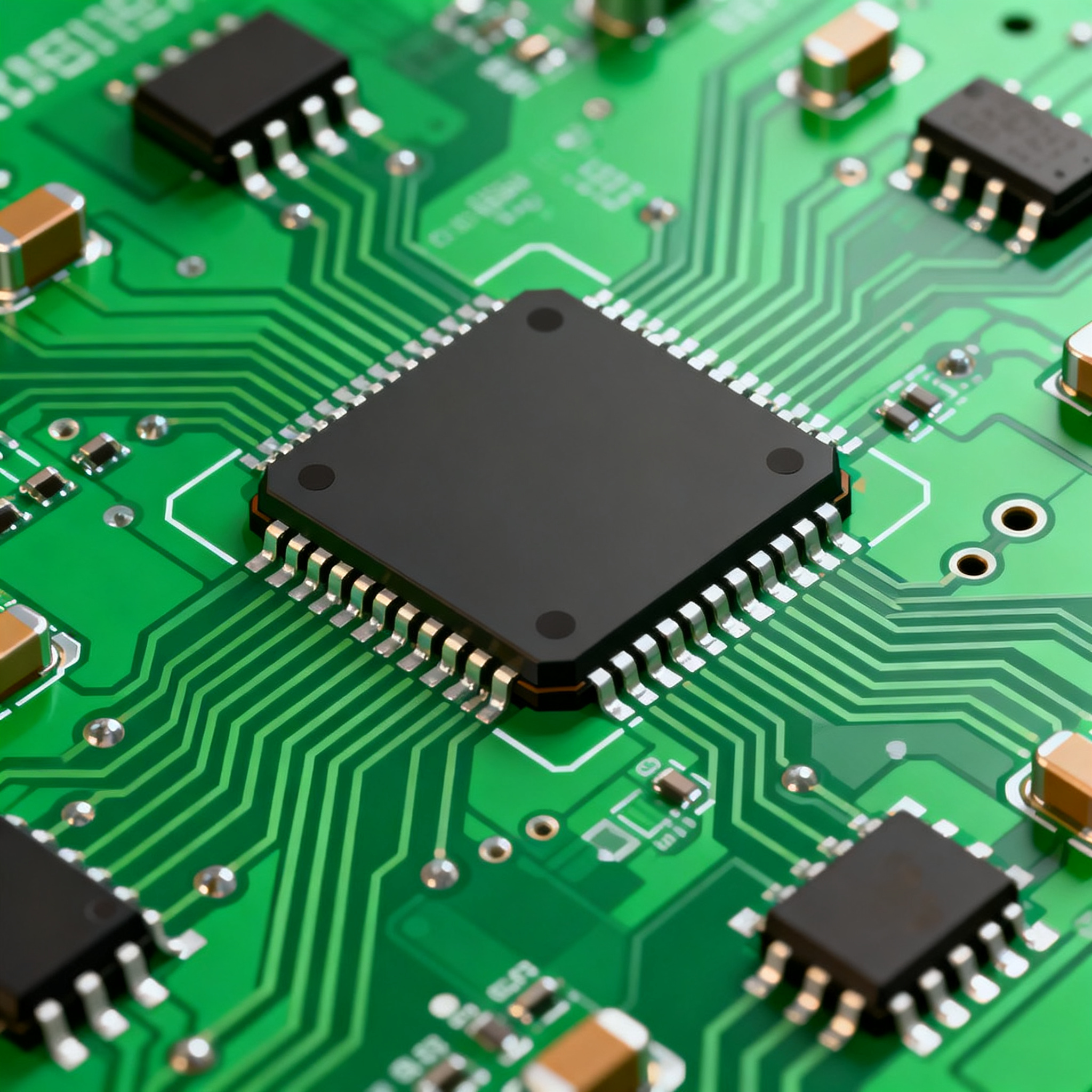
Health monitoring devices rely on a complex interplay of electronic components to function effectively. At the heart of these devices is the printed circuit board (PCB), which houses crucial components such as microcontrollers, sensors, and communication modules. The architecture of these systems is designed to process bio-signals, manage data storage, and facilitate wireless communication. Key principles include signal integrity, power efficiency, and thermal management, which are critical for maintaining device performance and longevity. Understanding these core concepts is essential for successfully implementing PCBs in health monitoring applications.
Detailed Specifications
When selecting components for a health monitoring device, several specifications must be considered. These include CPU speed, memory capacity, peripheral interfaces, power requirements, and packaging. Each of these factors impacts the overall performance and suitability of the device in different applications. The following table provides a detailed overview of core specifications for typical ICs used in health monitoring devices.
| Specification | Description | Typical Values |
|---|---|---|
| CPU Speed | Processing speed of the microcontroller | 32 MHz - 100 MHz |
| Memory | RAM and flash memory capacity | 64 KB RAM, 256 KB Flash |
| Peripherals | Available interfaces and modules | I2C, SPI, UART, ADC |
| Power Supply | Operating voltage range | 1.8V - 3.6V |
| Package Type | Physical package of the IC | LQFP, QFN |
| Temperature Range | Operating temperature | -40°C to +85°C |
| ADC Resolution | Resolution of the analog-to-digital converter | 12-bit |
| GPIO | Number of general-purpose I/O pins | Up to 48 |
| Wireless Connectivity | Support for wireless protocols | Bluetooth, BLE |
| Security Features | Built-in security capabilities | AES Encryption, Secure Boot |
Key Takeaways from the Specifications
The core specifications outlined above are pivotal in determining the performance and functionality of health monitoring devices. CPU speed and memory are crucial for processing and storing bio-signal data efficiently. The availability of peripheral interfaces like I2C and SPI enables seamless integration with sensors and other components. Power supply requirements must align with the device's intended use environment, ensuring operational stability under varying conditions. Package type and temperature range are also critical, as they influence the device's physical footprint and reliability in different settings. Understanding these specifications helps engineers select components that best fit their design goals and application needs.
| Characteristic | Description | Typical Values |
|---|---|---|
| Operating Voltage | Voltage range for operation | 1.8V - 3.3V |
| Supply Current | Current consumption in active mode | 10 mA - 50 mA |
| Sleep Current | Current consumption in sleep mode | 1 µA - 5 µA |
| Clock Frequency | Frequency of the system clock | 32 kHz - 16 MHz |
| GPIO Voltage Level | Voltage level for GPIO operations | 3.3V |
| Input Logic Level | Threshold voltage for input logic high | 0.7 * VDD |
| Output Drive Strength | Current drive capability of outputs | 4 mA - 20 mA |
| ESD Protection | Electrostatic discharge protection level | ±2 kV |
| Power-on Reset Voltage | Voltage at which the device resets | 1.5V |
| Leakage Current | Current leakage at high impedance state | 0.1 µA |
| Timing Accuracy | Accuracy of internal oscillators | ±50 ppm |
| Signal Rise Time | Time taken for a signal to rise | 5 ns - 15 ns |
Practical Implications
The electrical characteristics provided are essential for ensuring the device operates within its specified parameters. Operating voltage and supply current are critical for maintaining power efficiency, especially in battery-operated devices. Sleep current is particularly important for extending battery life during periods of inactivity. Understanding input logic levels and output drive strength is crucial for interfacing with other components and ensuring reliable signal transmission. ESD protection and leakage current specifications are vital for safeguarding the device against electrostatic discharge and minimizing power loss. Engineers must carefully consider these characteristics to optimize device performance and reliability.
| Use Case | Configuration | Advantages |
|---|---|---|
| Wearable Health Monitors | Low power, Bluetooth enabled | Portability, real-time monitoring |
| Remote Patient Monitoring | Wi-Fi connectivity, high data storage | Continuous data transmission, large data handling |
| In-Home Health Systems | Multiple sensor interfaces, robust power supply | Comprehensive health data collection |
| Fitness Trackers | Compact size, energy-efficient | Comfortable wear, extended battery life |
| Medical Diagnostics Devices | High processing power, secure data transfer | Accurate diagnostics, data security |
| Telemedicine Kits | Integrated camera, audio support | Enhanced patient-doctor interaction |
| Emergency Response Tools | Rugged design, fast response time | Durability, quick deployment |
Application Guidelines
Different health monitoring applications require varying configurations and features. Wearable health monitors benefit from low power consumption and Bluetooth connectivity for portability and real-time monitoring. Remote patient monitoring systems require Wi-Fi connectivity and ample data storage to handle continuous data transmission. In-home health systems, on the other hand, necessitate multiple sensor interfaces and robust power supplies for comprehensive data collection. Fitness trackers prioritize compactness and energy efficiency for comfort and extended battery life. Understanding the unique requirements of each application helps in selecting the right components and configurations to achieve optimal performance and user satisfaction.
Design Considerations
When designing PCBs for health monitoring devices, several critical factors must be considered to ensure optimal performance and reliability. Signal integrity is paramount, as it directly affects the accuracy and timeliness of health data. Engineers must carefully route traces to minimize electromagnetic interference and crosstalk. Power management is another crucial aspect, particularly for battery-operated devices. Implementing efficient power delivery networks and low-power components can significantly extend battery life. Thermal management is also essential to prevent overheating and ensure device longevity. Proper placement of components and the use of thermal vias and heat sinks can effectively dissipate heat. Additionally, compliance with industry standards such as IPC-A-610 and IPC-2221 is necessary to meet quality and safety requirements. By addressing these design considerations, engineers can create robust and reliable health monitoring devices that meet the needs of users and healthcare providers alike.
Step-by-Step Implementation
- Define the Requirements: Begin by defining the specific requirements of the health monitoring device. Consider the type of health data to be monitored, the desired form factor, power constraints, and connectivity needs. This will guide the selection of components and the overall design.
- Select the Components: Based on the requirements, select suitable components such as microcontrollers, sensors, and communication modules. Refer to datasheets and manufacturer specifications to ensure compatibility and performance.
- Design the Schematic: Create a detailed schematic diagram that outlines the connections between components. Pay attention to signal paths, power distribution, and grounding to avoid issues like noise and interference.
- Layout the PCB: Use PCB design software to layout the board. Ensure that traces are routed efficiently, with a focus on minimizing trace length and avoiding sharp angles. Consider the placement of components to optimize thermal management and ease of assembly.
- Simulate the Design: Perform simulations to verify the electrical performance of the design. Check for signal integrity, power distribution, and potential thermal issues. Make necessary adjustments to the layout and schematic as needed.
- Prototype the PCB: Once the design is finalized, create a prototype PCB. Use a professional PCB fabrication service to ensure high-quality manufacturing and assembly. Test the prototype thoroughly to identify any issues or areas for improvement.
- Test and Validate: Conduct rigorous testing to validate the performance of the device. Test for functionality, reliability, and compliance with industry standards. Make any necessary adjustments to the design based on test results.
- Finalize and Manufacture: After successful validation, finalize the design and proceed with mass manufacturing. Work closely with the manufacturer to ensure adherence to quality standards and production timelines.
Common Issues & Solutions
-
Issue: Signal Interference
Solution: Use proper grounding techniques and shield sensitive traces to minimize electromagnetic interference. -
Issue: Overheating
Solution: Implement thermal management strategies such as heat sinks and thermal vias to dissipate heat effectively. -
Issue: Power Consumption
Solution: Select low-power components and optimize power delivery networks to reduce overall power consumption. -
Issue: Component Mismatch
Solution: Carefully review datasheets and compatibility before selecting components to ensure proper integration and functionality. -
Issue: Manufacturing Defects
Solution: Work with reputable PCB manufacturers and conduct thorough quality inspections to identify and rectify defects early. -
Issue: Inconsistent Performance
Solution: Conduct extensive testing under various conditions to identify performance issues and adjust the design accordingly.
Applications & Use Cases
Health monitoring devices have a wide range of applications in the medical and consumer electronics industries. Wearable devices, such as fitness trackers and smartwatches, are popular for personal health monitoring, providing users with real-time insights into their physical activity and vital signs. Remote patient monitoring systems are used in healthcare settings to track patients' health data continuously, enabling timely interventions and reducing hospital visits. In-home health systems offer comprehensive monitoring solutions for elderly or chronically ill patients, ensuring their safety and well-being. Medical diagnostic devices utilize advanced processing capabilities to perform accurate and reliable diagnostics, while telemedicine kits enhance patient-doctor interactions by facilitating remote consultations. Each application presents unique challenges and opportunities, highlighting the importance of selecting the right components and design strategies to meet specific requirements.
Selection & Sourcing Guide
When selecting components for health monitoring devices, it is crucial to source them from reputable suppliers to ensure quality and reliability. The IC Online platform provides a comprehensive database of electronic components, offering detailed specifications and sourcing options. Engineers can compare different components based on their specifications, availability, and pricing, enabling informed decision-making. Additionally, collaborating with trusted distributors and manufacturers helps secure a consistent supply chain and access to technical support. By leveraging these resources, engineers can confidently select and source the components needed for their health monitoring device projects.
FAQ
-
What are the key considerations when selecting ICs for health monitoring devices?
Consider factors such as power consumption, processing capabilities, peripheral interfaces, and compatibility with sensors and communication modules. -
How can signal integrity be maintained in PCB design?
Use proper grounding techniques, minimize trace lengths, and avoid sharp angles to reduce electromagnetic interference and crosstalk. -
What are the best practices for power management in battery-operated devices?
Select low-power components, implement efficient power delivery networks, and optimize sleep modes to extend battery life. -
How can thermal management be achieved in compact devices?
Use thermal vias, heat sinks, and strategically place components to effectively dissipate heat and prevent overheating. -
What standards should be followed for PCB design and assembly?
Adhere to industry standards such as IPC-A-610 and IPC-2221 to ensure quality, reliability, and safety. -
How can manufacturing defects be minimized?
Work with reputable PCB manufacturers, conduct thorough inspections, and implement quality control measures during production. -
What testing methods are recommended for health monitoring devices?
Conduct functional, reliability, and compliance testing to validate performance and identify potential issues. -
How can I ensure secure data transmission in health monitoring devices?
Implement built-in security features such as AES encryption and secure boot to protect data integrity and confidentiality. -
What are the advantages of using wireless connectivity in health monitoring devices?
Wireless connectivity enables real-time data transmission, remote monitoring, and seamless integration with other devices and systems. -
How can I optimize the design for different health monitoring applications?
Understand the unique requirements of each application and tailor the component selection and design strategies to meet those needs.
Conclusion
The successful assembly of PCBs in health monitoring devices hinges on meticulous component selection, design, and implementation. By understanding core specifications, electrical characteristics, and application requirements, engineers can avoid common pitfalls and develop reliable, high-performance devices. Leveraging industry standards and best practices further enhances the quality and safety of these devices, ultimately improving patient outcomes and user satisfaction. As the demand for health monitoring solutions continues to grow, staying informed and proactive in design and manufacturing processes remains essential.