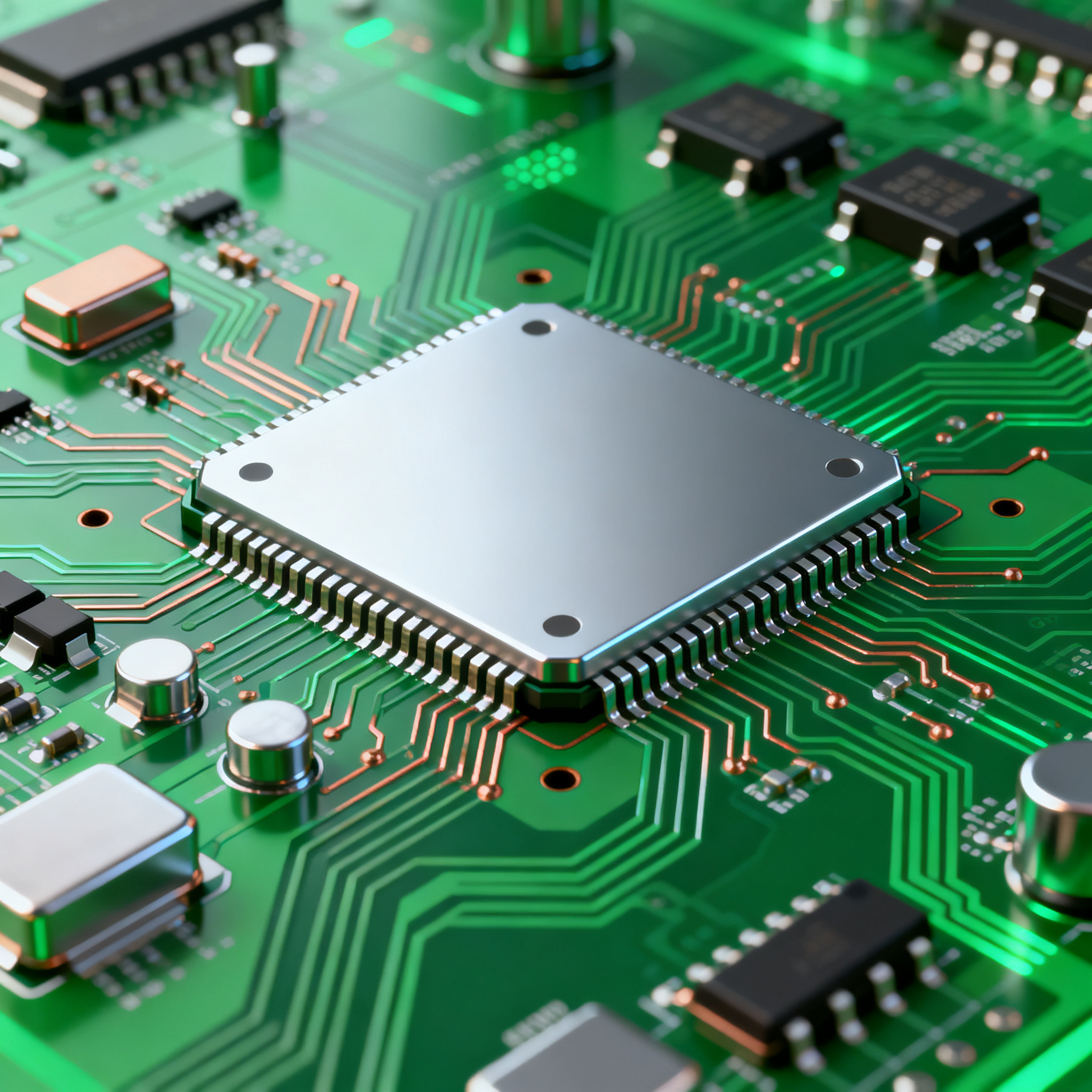
Top PCB Prototype Suppliers: A Comparison of Services for Quick Turnaround and Quality Assurance
Top PCB Prototype Suppliers: A Comparison of Services for Quick Turnaround and Quality Assurance Introduction In the fast-paced world of electronics, the demand for quick-turn PCB prototypes is ever-g...
Introduction
In the fast-paced world of electronics, the demand for quick-turn PCB prototypes is ever-growing. Engineers and manufacturers are constantly seeking reliable suppliers who can deliver quality products swiftly. The importance of selecting the right PCB prototype supplier cannot be overstated, as it directly impacts the development cycle, cost, and overall project success. This article aims to provide a comprehensive comparison of top PCB prototype suppliers, focusing on their services, turnaround times, and quality assurance measures, helping engineers make informed decisions.
Technical Overview
PCBs (Printed Circuit Boards) are the backbone of modern electronic devices, serving as the foundation onto which electronic components are mounted. The design and manufacturing of PCBs involve several technical aspects, including layer stack-up, trace width, and spacing, as well as the selection of materials and components. The architecture of PCBs is guided by industry standards such as IPC-A-610 and IPC-2221, ensuring consistency and reliability. Quick-turn PCB services cater to the need for rapid prototyping, enabling engineers to iterate and refine designs swiftly. These services often include flexible manufacturing options, advanced fabrication techniques, and stringent quality control processes to ensure optimal performance and reliability.
Detailed Specifications
When selecting components for PCB designs, understanding the core specifications is crucial. These specifications include parameters such as CPU speed, memory capacity, available peripherals, power requirements, and package type. Having a clear understanding of these specifications allows engineers to make informed decisions when selecting components, ensuring compatibility and optimal performance in their designs.
| Specification | Component A | Component B |
|---|---|---|
| CPU Speed | 1.8 GHz | 2.2 GHz |
| Memory | 4 GB DDR4 | 8 GB DDR4 |
| Peripherals | USB, I2C | USB, SPI, I2C |
| Power Consumption | 5 W | 7 W |
| Package Type | BGA | LGA |
| Operating Temperature | -40°C to 85°C | -20°C to 70°C |
| Storage Temperature | -55°C to 125°C | -40°C to 85°C |
| Dimensions | 15 mm x 15 mm | 20 mm x 20 mm |
| Weight | 1.2 g | 1.5 g |
| Cost | $25 | $35 |
Key Takeaways from the Specifications
The core specifications table highlights the differences and similarities between two components, allowing engineers to assess which component best suits their design needs. Component A, with a lower CPU speed and memory, might be suitable for less demanding applications, whereas Component B, with higher specifications, is ideal for more intensive processing tasks. Power consumption and operating temperature ranges are critical factors that influence the choice of components, especially in applications with strict environmental constraints. Understanding these specifications ensures that the selected components will perform optimally within the intended application environment.
| Electrical Characteristic | Component A | Component B |
|---|---|---|
| Operating Voltage | 1.8 V | 3.3 V |
| Maximum Current | 500 mA | 700 mA |
| Input Impedance | 50 Ω | 75 Ω |
| Output Impedance | 50 Ω | 50 Ω |
| Signal Rise Time | 2 ns | 1.5 ns |
| Signal Fall Time | 2 ns | 1.5 ns |
| I/O Voltage Levels | TTL | CMOS |
| Power Supply Rejection Ratio | 60 dB | 65 dB |
| Noise Margin | 1 V | 1.2 V |
| ESD Protection | ±2 kV | ±2.5 kV |
Practical Implications
The electrical characteristics table provides crucial insights into the performance and compatibility of components within a circuit. Operating voltage and current ratings are essential for ensuring that the component operates within safe limits, reducing the risk of failure. Impedance values impact signal integrity, making them vital for high-speed applications. Signal rise and fall times influence the speed at which data can be processed, while I/O voltage levels determine compatibility with other components in the system. Understanding these characteristics allows engineers to design circuits that are not only functional but also reliable and efficient.
| Application | Component A | Component B |
|---|---|---|
| Embedded Systems | Suitable | Highly Suitable |
| IoT Devices | Suitable | Highly Suitable |
| Consumer Electronics | Moderately Suitable | Highly Suitable |
| Industrial Automation | Not Recommended | Suitable |
| Automotive | Not Recommended | Suitable |
| Medical Devices | Moderately Suitable | Highly Suitable |
Application Guidelines
The application comparison table illustrates the suitability of components for various use cases. Component A is generally suitable for less demanding applications such as basic embedded systems and IoT devices, where lower processing power is sufficient. In contrast, Component B, with its higher specifications, is better suited for applications requiring more processing power and reliability, such as industrial automation and automotive systems. Selecting the right component based on application needs ensures optimal performance and longevity, reducing the likelihood of failures and the need for costly redesigns.
Design Considerations
When designing a PCB, several factors must be considered to ensure successful implementation and performance. First, the layout should be optimized for signal integrity, minimizing trace lengths and avoiding sharp angles that could cause reflections or interference. The choice of materials, such as the dielectric constant of the substrate, affects the electrical performance and should align with the application's frequency requirements. Thermal management is another critical aspect, particularly for high-power applications, where heat dissipation must be effectively managed to prevent component failure. Additionally, component placement and routing should be carefully planned to facilitate manufacturing and assembly, reducing the risk of errors and rework. Adhering to industry standards, such as those provided by IPC, ensures that the design meets quality and reliability benchmarks. Finally, thorough testing and validation processes should be implemented to verify the design's functionality and performance before proceeding to mass production.
Step-by-Step Implementation
The process of implementing a PCB design involves several detailed steps to ensure a successful outcome:
- Define Requirements: Clearly outline the project requirements, including functional specifications, environmental conditions, and regulatory standards.
- Select Components: Choose components that meet the design specifications, considering factors such as performance, cost, and availability.
- Create Schematic: Develop a detailed schematic diagram that captures the electrical connections and component relationships.
- Design PCB Layout: Use CAD software to create the PCB layout, optimizing trace routing, component placement, and layer stack-up for performance and manufacturability.
- Review and Validate: Conduct design reviews to catch potential errors and validate the layout against the schematic and design rules.
- Prototype Fabrication: Send the design files to a PCB manufacturer for prototype fabrication, selecting a supplier with quick turnaround capabilities.
- Assembly and Testing: Assemble the prototype, populate components, and conduct thorough testing to verify functionality and performance.
- Iterate and Finalize: Make necessary adjustments based on test results, and iterate the design if needed before proceeding to full-scale production.
Common Issues & Solutions
Despite careful planning, issues can arise during PCB design and manufacturing. Here are some common problems and their solutions:
- Signal Integrity Issues: Use proper termination and impedance matching techniques to minimize reflections and signal degradation.
- Thermal Management Challenges: Implement heat sinks, thermal vias, and appropriate trace widths to manage heat dissipation effectively.
- Manufacturing Defects: Collaborate closely with manufacturers, providing clear documentation and adhering to design rules to minimize errors.
- Component Availability: Select components with multiple sources to reduce the risk of supply chain disruptions and ensure continuity.
- EMI/EMC Compliance: Employ shielding, grounding, and filtering techniques to meet electromagnetic compatibility requirements.
- Design Rule Violations: Utilize design rule check (DRC) features in CAD software to identify and correct violations before fabrication.
Applications & Use Cases
PCBs are integral to a wide range of applications across various industries. In consumer electronics, PCBs are used in devices such as smartphones, tablets, and laptops, where compactness and performance are key. In the automotive industry, PCBs are essential for control systems, infotainment, and safety features, requiring high reliability and durability. Industrial automation relies on PCBs for controlling machinery and processes, demanding robustness and precision. Medical devices, such as diagnostic equipment and patient monitors, utilize PCBs for their reliability and accuracy in critical applications. The versatility and adaptability of PCBs make them indispensable in modern technology, driving innovation and functionality in countless products.
Selection & Sourcing Guide
When selecting and sourcing components for PCB designs, it's crucial to consider factors such as performance specifications, cost, availability, and supplier reputation. Utilizing online resources such as IC Online can aid in finding suitable components and comparing options. Establishing strong relationships with suppliers and distributors ensures a reliable supply chain, reducing the risk of delays and shortages. Additionally, keeping abreast of industry trends and advancements allows engineers to incorporate the latest technologies and innovations into their designs, enhancing the overall performance and competitiveness of their products.
FAQ
- What are the key factors to consider when selecting a PCB prototype supplier? Consider turnaround time, quality assurance measures, manufacturing capabilities, and cost.
- How do IPC standards impact PCB design and manufacturing? IPC standards provide guidelines for quality, reliability, and consistency, ensuring that PCBs meet industry benchmarks.
- What is the significance of core specifications in component selection? Core specifications determine the compatibility and performance of components within a design, impacting functionality and reliability.
- Why is understanding electrical characteristics important? Electrical characteristics influence the performance and compatibility of components, affecting signal integrity and power management.
- How can thermal management be addressed in PCB design? Implement heat sinks, thermal vias, and appropriate trace widths to manage heat dissipation effectively.
- What are common challenges in PCB manufacturing, and how can they be mitigated? Common challenges include signal integrity issues, thermal management, and manufacturing defects. Collaborating with manufacturers and adhering to design rules can mitigate these issues.
- How do application requirements influence component selection? Application requirements dictate the performance, reliability, and durability needed, guiding the selection of suitable components.
- What role do PCBs play in modern electronic devices? PCBs serve as the foundation for mounting electronic components, enabling functionality and connectivity in devices across various industries.
- How can engineers stay updated on industry trends and advancements? Engineers can stay updated by following industry publications, attending conferences, and engaging with professional networks.
- What resources are available for sourcing components online? Resources such as IC Online provide comprehensive databases for finding and comparing components.
Conclusion
In conclusion, selecting the right PCB prototype supplier is crucial for ensuring quick turnaround times and high-quality products. Understanding core specifications and electrical characteristics helps engineers make informed decisions when designing PCBs, ultimately impacting the performance and reliability of their products. By considering practical design guidelines and leveraging online resources, engineers can optimize their designs and navigate the complexities of PCB manufacturing and sourcing effectively.