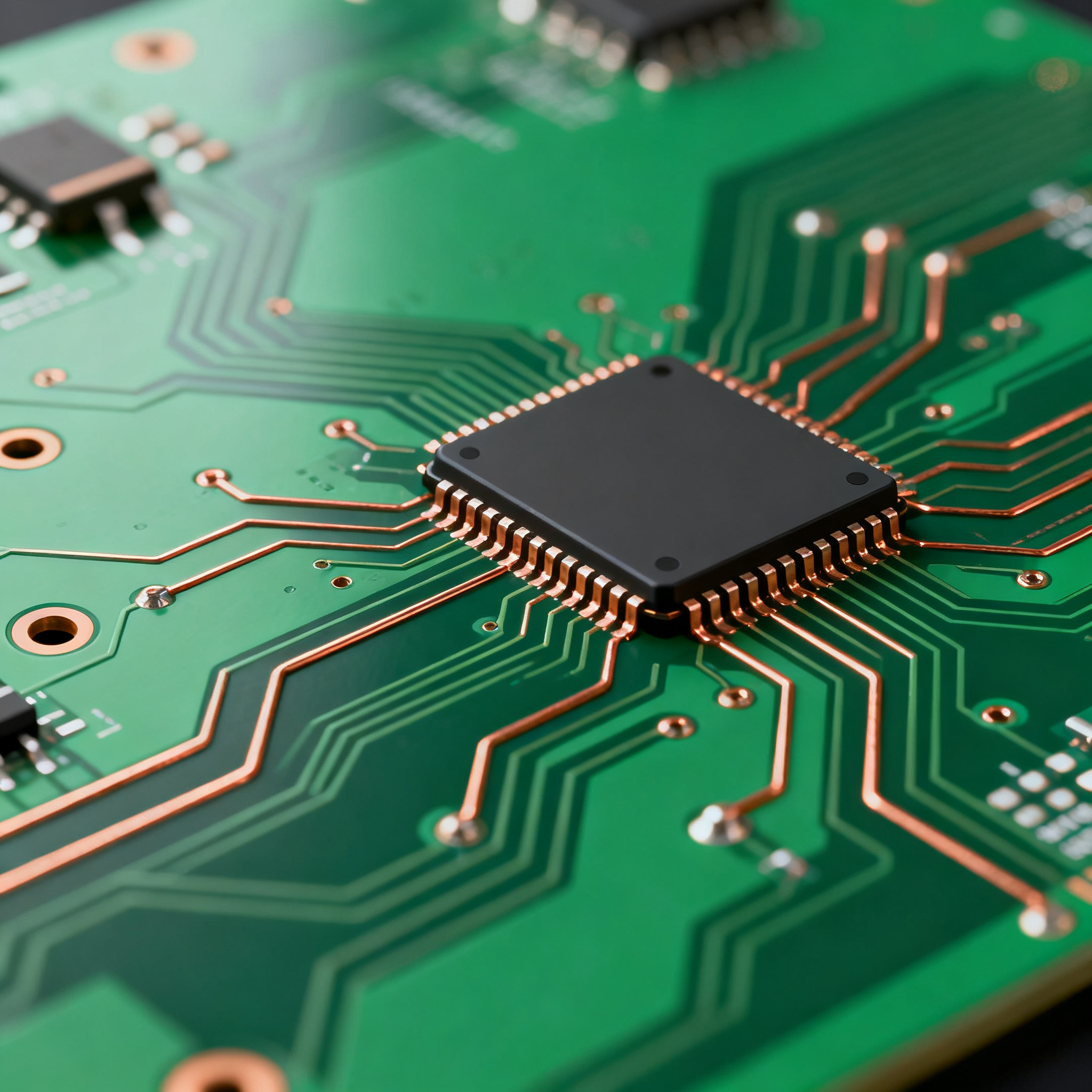
Mastering High-Speed PCB Design: Essential Techniques for Optimal Performance
Mastering High-Speed PCB Design: Essential Techniques for Optimal Performance body { font-family: Arial, sans-serif; line-height: 1.6; margin: 20px; } table { border-collapse: collapse; width: 100%; m...
Introduction
In the rapidly evolving world of electronics, high-speed PCB (Printed Circuit Board) design has become a critical skill. As devices get smaller and more powerful, the demand for efficient and reliable PCB designs increases. High-speed PCBs are essential for applications ranging from smartphones to advanced computing systems where performance and precision are paramount. This article delves into the essential techniques and considerations for mastering high-speed PCB design, focusing on component specifications, datasheets, selection criteria, and application circuits.
Technical Overview
High-speed PCB design involves a deep understanding of signal integrity, power distribution, and electromagnetic compatibility. The core concepts include managing signal paths to minimize delay and distortion, optimizing power delivery networks for stable operation, and ensuring that electromagnetic interference (EMI) is kept within acceptable limits. The architecture of high-speed PCBs often includes multiple layers, high-speed signal traces, and carefully selected components to meet the stringent demands of modern applications. By adhering to industry standards such as IPC-2221 and leveraging resources from PCB manufacturers like PCBWay and Nova PCBA, engineers can enhance the performance and reliability of their designs.
Detailed Specifications
When designing high-speed PCBs, understanding the key specifications of components is crucial. These specifications help in selecting the right components that can handle the required performance without compromising reliability. Important specifications include bandwidth, impedance, and power ratings, among others. Below is a table detailing these key specifications for high-speed components.
| Parameter | Description | Typical Value |
|---|---|---|
| Bandwidth | The range of frequencies over which the component operates effectively | Up to 40 GHz |
| Impedance | Characteristic impedance of the component | 50 Ohms |
| Power Rating | Maximum power the component can handle | 100 mW |
| Voltage Rating | Maximum voltage the component can withstand | 5 V |
| Temperature Range | Operating temperature range | -40°C to 85°C |
| Noise Figure | A measure of degradation of the signal-to-noise ratio | 1 dB |
| Return Loss | How much power is lost to reflections | 20 dB |
| Insertion Loss | Signal loss when passing through the component | 0.5 dB |
| Phase Stability | Consistency of the phase response | ±1° |
| Size | Physical dimensions of the component | 1.0 x 0.5 mm |
Key Takeaways from the Specifications
The specifications outlined in Table 1 are crucial for ensuring that components meet the performance needs of high-speed PCB applications. Bandwidth and impedance are particularly important for maintaining signal integrity, while power and voltage ratings ensure that components can handle operational demands without failure. Temperature range and noise figure are essential for reliability and efficiency, especially in environments with thermal challenges. Understanding return and insertion loss helps in minimizing signal degradation, which is vital for high-frequency applications. These specifications guide engineers in selecting components that align with design goals and operational conditions.
| Metric | Description | Typical Value |
|---|---|---|
| Signal Integrity | Measure of signal quality | High |
| Thermal Conductivity | Ability to conduct heat | 0.8 W/mK |
| Dielectric Constant | Insulating property of the PCB material | 4.5 |
| Propagation Delay | Time taken for a signal to travel through the PCB | 180 ps/inch |
| Cross-Talk | Unwanted transfer of signals between traces | Below -30 dB |
| EMI Susceptibility | Vulnerability to electromagnetic interference | Low |
| Thermal Resistance | Resistance to heat flow | 10°C/W |
| Flexibility | Ability to bend without damage | Moderate |
| Durability | Resistance to wear and tear | High |
| Reliability | Consistency of performance over time | Very High |
Practical Implications
The performance metrics in Table 2 offer insights into how components function under real-world conditions. Signal integrity is paramount for high-speed applications, ensuring that data is transmitted with minimal distortion. Thermal conductivity and resistance are critical for maintaining performance in heat-sensitive environments. The dielectric constant affects signal speed and must be optimized for the application at hand. Cross-talk and EMI susceptibility are key considerations for minimizing noise and interference. These metrics guide the design process, helping engineers create PCBs that are both efficient and reliable.
| Use Case | Configuration | Performance Requirement |
|---|---|---|
| 5G Communication | Multi-layer PCB with RF components | High bandwidth |
| Automotive Radar | Rigid-flex PCB design | High thermal stability |
| Data Centers | High-density interconnects | Low latency |
| Consumer Electronics | Compact design with embedded components | Power efficiency |
| Medical Devices | Miniaturized PCBs for wearables | High reliability |
| Industrial Automation | Robust design with EMI shielding | Durability |
| Aerospace Systems | Lightweight materials | High reliability and low weight |
| Networking Equipment | Advanced routing techniques | High throughput |
Application Guidelines
Table 3 provides an application matrix that highlights the diverse use cases for high-speed PCBs. Each application demands specific configurations and performance requirements. For instance, 5G communication systems require PCBs with high bandwidth capabilities, while automotive radar systems need designs that offer high thermal stability. Data centers prioritize low latency, whereas consumer electronics focus on power efficiency and compact designs. The matrix serves as a guide for selecting the appropriate PCB configurations based on specific application needs, ensuring optimal performance and reliability.
Design Considerations
Designing high-speed PCBs involves several critical considerations to ensure optimal performance. Signal integrity is one of the foremost concerns, requiring careful trace routing and impedance matching. Power distribution networks must be designed to minimize voltage drops and ensure stable power delivery across the board. Thermal management is also crucial, as heat can significantly impact the performance and lifespan of components. Utilizing materials with appropriate thermal properties and incorporating thermal vias and heatsinks can help dissipate heat effectively.
Another important consideration is electromagnetic compatibility (EMC). High-speed designs are susceptible to EMI, which can disrupt signal integrity and lead to performance degradation. Proper shielding, grounding, and filtering techniques are essential to mitigate EMI effects. Additionally, PCB stack-up plays a crucial role in high-speed design, influencing signal paths and impedance control. Engineers must carefully choose the number and arrangement of layers to balance performance, cost, and manufacturability.
Finally, collaboration with PCB manufacturers is vital to ensure that design specifications align with manufacturing capabilities. Understanding the fabrication process and material constraints can help avoid design iterations and reduce time-to-market. By incorporating these design considerations, engineers can create high-speed PCBs that meet performance requirements and deliver reliable results.
Step-by-Step Implementation
- Define Requirements: Begin by outlining the performance requirements and constraints of your high-speed PCB design. Consider factors such as bandwidth, power delivery, thermal management, and EMI control.
- Select Components: Choose components based on the specifications and performance metrics discussed earlier. Ensure that they meet the required bandwidth, impedance, and power ratings.
- Design Schematic: Create a detailed schematic diagram that represents the electrical connections and components in the design. Use simulation tools to verify signal integrity and power distribution.
- Layout Design: Design the PCB layout, focusing on trace routing, impedance control, and layer stack-up. Use design rules from resources like PCBWay to ensure manufacturability.
- Thermal Management: Incorporate thermal management features such as thermal vias, heatsinks, and appropriate materials to dissipate heat effectively.
- EMC Considerations: Implement EMC mitigation techniques, including shielding, grounding, and filtering, to minimize EMI effects.
- Prototype and Test: Create a prototype of the PCB and conduct thorough testing to verify performance. Use services like Nova PCBA for quick-turn prototyping and assembly.
- Iterate and Finalize: Analyze test results, make necessary design adjustments, and finalize the PCB design for production.
Common Issues & Solutions
- Signal Integrity Issues: Use impedance matching and proper trace routing to address signal integrity problems.
- Thermal Management Challenges: Incorporate thermal vias and heatsinks to manage heat effectively.
- EMI Interference: Implement grounding and shielding techniques to mitigate EMI effects.
- Power Distribution Problems: Design robust power distribution networks to minimize voltage drops.
- Manufacturing Constraints: Collaborate with manufacturers to ensure design specifications align with fabrication capabilities.
- Component Selection Errors: Carefully review component specifications and datasheets to avoid selection mistakes.
Applications & Use Cases
High-speed PCBs find applications in various domains, each with unique requirements. In telecommunications, they enable high-frequency data transmission for 5G networks. Automotive systems rely on high-speed PCBs for radar and advanced driver-assistance systems (ADAS). Data centers use them to handle massive data throughput with minimal latency. Consumer electronics benefit from compact and efficient designs, while medical devices require reliable and miniaturized PCBs for wearable technology. Industrial automation and aerospace systems demand durable and lightweight designs, respectively, to meet their specific operational needs.
Selection & Sourcing Guide
When selecting and sourcing components for high-speed PCB designs, it's crucial to access reliable suppliers and up-to-date component databases. IC Online offers a comprehensive platform for sourcing electronic components with detailed datasheets and availability information. This resource can help engineers make informed decisions and ensure that selected components meet the required specifications for high-speed applications.
FAQ
- What is the importance of impedance matching in high-speed PCB design? Impedance matching is crucial for minimizing signal reflections and ensuring signal integrity in high-speed designs.
- How can I manage heat in high-speed PCB designs? Use thermal vias, heatsinks, and materials with high thermal conductivity to effectively manage heat.
- What are common EMI mitigation techniques? Shielding, grounding, and filtering are common techniques used to mitigate EMI effects in high-speed PCBs.
- How do I ensure reliable power delivery in my design? Design robust power distribution networks with minimal voltage drops to ensure reliable power delivery.
- What role does PCB stack-up play in high-speed design? PCB stack-up influences signal paths, impedance control, and overall performance in high-speed designs.
- Can I use standard PCB materials for high-speed designs? Specialized materials with appropriate dielectric properties are often required for high-speed PCB designs.
- How can I verify my PCB design before manufacturing? Use simulation tools to verify signal integrity, power distribution, and thermal management in your design.
- What should I consider when selecting components for high-speed applications? Consider bandwidth, impedance, power ratings, and thermal characteristics when selecting components.
- How do I reduce cross-talk in my PCB design? Use proper trace spacing and routing techniques to minimize cross-talk between signal traces.
- What are the benefits of collaborating with PCB manufacturers? Collaboration ensures that design specifications align with manufacturing capabilities, reducing iterations and time-to-market.
Conclusion
Mastering high-speed PCB design requires a comprehensive understanding of component specifications, performance metrics, and application requirements. By leveraging industry standards, collaborating with manufacturers, and utilizing advanced design techniques, engineers can create high-speed PCBs that deliver optimal performance and reliability. Whether for telecommunications, automotive, or consumer electronics, high-speed PCBs are essential for meeting the demands of modern technology.