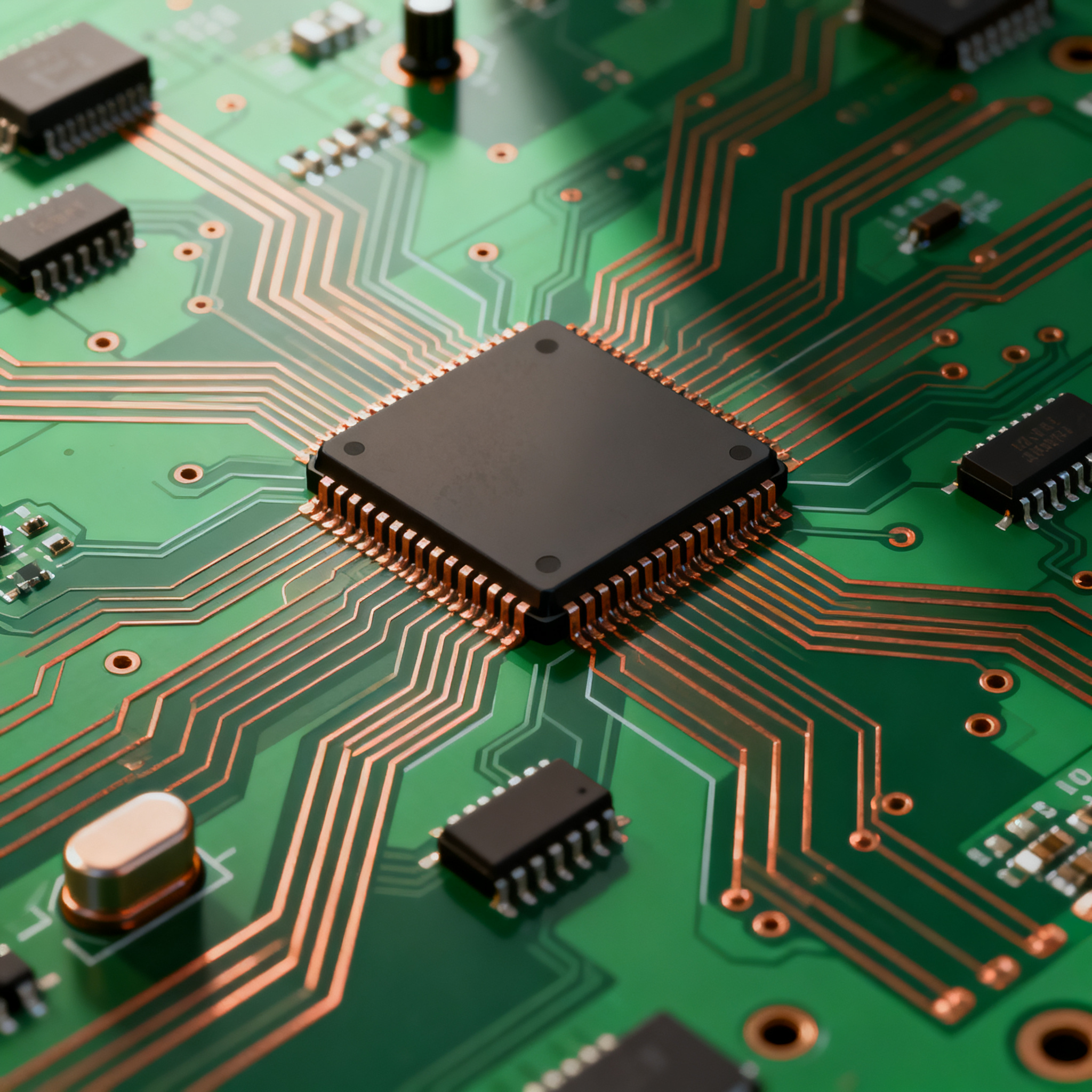
Maximizing Efficiency with Professional PCB Assembly Services: A Step-by-Step Guide
Maximizing Efficiency with Professional PCB Assembly Services: A Step-by-Step Guide table { border-collapse: collapse; width: 100%; margin: 20px 0; } th, td { border: 1px solid #ddd; padding: 8px; } t...
Introduction
In the rapidly evolving world of electronics, the efficiency and reliability of printed circuit boards (PCBs) are paramount. As the backbone of any electronic device, PCBs require precise assembly to ensure optimal functionality. Professional PCB assembly services have become indispensable in achieving these objectives, offering expertise and advanced technology to streamline the production process. This guide explores the critical aspects of maximizing efficiency through professional PCB assembly, focusing on component specifications, datasheets, selection criteria, and application circuits.
Technical Overview
The architecture of PCBs is a sophisticated interplay of various components, each requiring detailed consideration. From the basic layout to the complex integration of IC chips, the design principles revolve around minimizing interference and maximizing performance. At the heart of efficient PCB assembly are industry standards like IPC-A-610 and IPC-2221, which provide guidelines for design, assembly, and quality inspection. Understanding these standards is crucial for engineers to ensure compliance and optimize the performance of their designs.
Moreover, the integration of advanced components, such as CPUs, memory modules, and power management systems, demands a thorough understanding of their specifications. This includes not only the technical details but also the practical implications of their use in various applications. By leveraging professional services, engineers can access a wealth of resources and expertise that facilitate the selection and integration of components, ensuring that the final product meets the highest standards of quality and performance.
Detailed Specifications
When selecting components for PCB assembly, understanding the core specifications is essential. These specifications provide insights into the capabilities and limitations of each component, influencing the overall design and performance of the PCB. Critical specifications include CPU speed, memory capacity, peripheral support, power requirements, and packaging options. These factors collectively determine the efficiency and reliability of the final product.
| Specification | Details | Significance |
|---|---|---|
| CPU Speed | 1.5 GHz | Determines processing power and efficiency |
| Memory | 4 GB DDR4 | Influences data handling capacity |
| Peripherals | USB, HDMI, Ethernet | Defines connectivity options |
| Power Supply | 5V, 2A | Essential for stable operation |
| Package Type | BGA | Affects assembly and heat dissipation |
| Operating Temperature | -40°C to 85°C | Ensures reliability in various environments |
| Storage Capacity | 64 GB eMMC | Impacts data storage capabilities |
| Clock Speed | 400 MHz | Critical for synchronization |
| Interface | I2C, SPI | Defines communication protocols |
| Dimensions | 50mm x 50mm | Influences design and integration |
| Weight | 15g | Affects portability |
Key Takeaways from the Specifications
The core specifications table outlines the fundamental attributes crucial for selecting components in PCB assembly. CPU speed and memory directly impact the processing capabilities of the device, while peripheral options determine the range of connectivity. Power supply specifications are vital for ensuring stable operation across different applications. The choice of package type, such as BGA, affects both the assembly process and thermal management. Understanding these specifications helps engineers make informed decisions, ensuring that the selected components meet the required performance and reliability standards.
| Parameter | Value | Details |
|---|---|---|
| Operating Voltage | 3.3V | Standard voltage for logic circuits |
| Max Current | 1.5A | Maximum current draw from the device |
| Input Voltage Range | 2.7V - 5.5V | Voltage tolerance for safe operation |
| Output Current | 500mA | Current supplied to peripheral devices |
| Power Consumption | 1.5W | Overall energy usage |
| Timing Precision | ±10ppm | Accuracy of clock signals |
| Input Impedance | 50Ω | Resistance to input signals |
| Output Impedance | 10Ω | Resistance to output signals |
| I/O Voltage Level | 1.8V | Voltage level for input/output operations |
| Leakage Current | 5μA | Current leakage when the device is off |
| Response Time | 10ns | Speed of response to input signals |
| Thermal Resistance | 30°C/W | Heat dissipation capability |
Practical Implications
The electrical characteristics table provides crucial insights into the performance and limitations of components under various conditions. Operating voltage and current parameters are essential for ensuring compatibility with other components and power sources. Understanding input and output impedance helps in minimizing signal loss and interference. Timing precision and response time are critical for applications requiring high-speed data processing. By analyzing these characteristics, engineers can design circuits that optimize power efficiency and signal integrity, ensuring reliable performance across different use cases.
| Application | Configuration | Benefits |
|---|---|---|
| Consumer Electronics | Standard Package | Cost-effective and widely compatible |
| Industrial Automation | Robust Design | High reliability and durability |
| Automotive Systems | Temperature-Resistant | Operates in extreme conditions |
| Medical Devices | Precision Components | Ensures high accuracy and safety |
| Telecommunications | High-Frequency Circuits | Supports fast data transmission |
| IoT Applications | Low Power Consumption | Extends battery life |
| Aerospace Technology | Lightweight Materials | Reduces payload and increases efficiency |
| Wearable Devices | Miniaturized Components | Enhances portability and comfort |
Application Guidelines
The application comparison table highlights how different configurations cater to specific industry needs. For instance, consumer electronics benefit from standard packages due to their cost-effectiveness, while industrial automation demands robust designs for enhanced durability. In automotive systems, temperature-resistant components are crucial for reliable performance under extreme conditions. By understanding these applications and configurations, engineers can tailor their PCB designs to meet the specific requirements of each industry, ensuring optimal performance and customer satisfaction.
Design Considerations
Designing a PCB involves several critical considerations to ensure that the final product meets both performance and reliability standards. One of the primary factors is the selection of appropriate components, which should align with the intended application and environmental conditions. Engineers must also consider the layout and routing of the PCB, which can significantly impact signal integrity and thermal management.
Adhering to industry standards, such as IPC-A-610 and IPC-2221, is essential for achieving consistency and quality in PCB designs. These standards provide guidelines for component placement, soldering techniques, and inspection criteria, ensuring that the assembly process meets the highest quality benchmarks. Additionally, engineers must factor in manufacturability and testability, designing PCBs that are easy to produce and verify for defects.
Thermal management is another critical aspect, especially in high-power applications, where heat dissipation must be efficiently managed to prevent component failure. This involves selecting materials with appropriate thermal conductivity and designing PCBs with adequate thermal vias and heat sinks.
Finally, considering electromagnetic compatibility (EMC) is crucial for minimizing interference and ensuring that the PCB operates reliably alongside other electronic devices. By incorporating these design considerations, engineers can create PCBs that are not only efficient and reliable but also cost-effective and compliant with industry standards.
Step-by-Step Implementation
- Define Requirements: Begin by outlining the specific requirements of the PCB, including size, power, and connectivity needs. This step is crucial for guiding the subsequent design and component selection process.
- Select Components: Based on the defined requirements, select components that meet the desired specifications. Consider factors such as performance, cost, and availability to ensure the best fit for the application.
- Design Schematic: Use PCB design software to create a schematic that outlines the connections and interactions between components. Ensure that the design adheres to industry standards and best practices.
- Layout PCB: Translate the schematic into a physical layout, carefully positioning components to optimize space and minimize signal interference. Pay attention to routing, ensuring that traces are appropriately sized and placed.
- Prototype and Test: Once the PCB design is complete, create a prototype to test its functionality. Use this stage to identify and rectify any design flaws or performance issues.
- Iterate Design: Based on testing results, make necessary adjustments to the PCB design. This iterative process is crucial for refining the design and ensuring that it meets all performance and reliability criteria.
- Finalize Design: After successful testing and iteration, finalize the PCB design for manufacturing. Ensure that all design files are complete and accurate, ready for production.
- Manufacture and Assemble: Work with a professional PCB assembly service to manufacture and assemble the PCB. This step involves fabricating the board, placing components, and soldering connections.
Common Issues & Solutions
- Signal Interference: This issue can lead to data corruption and reduced performance. To mitigate this, ensure proper grounding and use shielding techniques to minimize electromagnetic interference.
- Thermal Management: Overheating can cause component failure. Use heat sinks, thermal vias, and appropriate materials to enhance heat dissipation.
- Component Misalignment: Misaligned components can result in connectivity issues. Utilize automated assembly tools and precise placement techniques to ensure accurate alignment.
- Insufficient Power Supply: Inadequate power can lead to device instability. Ensure that the power supply meets the voltage and current requirements of all components.
- Soldering Defects: Poor soldering can cause short circuits and connectivity problems. Implement strict quality control measures and use appropriate soldering techniques to ensure reliable connections.
- Design Flaws: Design errors can lead to non-functional PCBs. Conduct thorough design reviews and testing to identify and correct any flaws before production.
Applications & Use Cases
PCBs are integral to a wide range of applications, each with unique requirements and challenges. In consumer electronics, PCBs enable the compact and efficient design of devices like smartphones and laptops. In industrial automation, they provide the reliability and durability needed for complex machinery and control systems.
Automotive systems rely on PCBs for critical functions such as engine control and infotainment, where temperature resistance and long-term reliability are paramount. In the medical field, PCBs are used in diagnostic and monitoring devices, where precision and safety are crucial.
Telecommunications applications benefit from high-frequency PCBs that support fast data transmission, while IoT devices rely on low-power PCBs to extend battery life. By understanding these diverse use cases, engineers can tailor their designs to meet the specific demands of each application, ensuring optimal performance and customer satisfaction.
Selection & Sourcing Guide
Selecting and sourcing components for PCB assembly is a critical step that requires careful consideration of various factors, including performance, cost, and availability. Engineers should leverage resources like IC Online to compare different components and find the best options for their specific needs. By using reliable sourcing platforms, engineers can ensure that they have access to high-quality components that meet their design and performance requirements.
FAQ
- What are the key factors to consider when selecting components for PCB assembly?
Consider performance specifications, cost, availability, and compatibility with other components. - How can I ensure the reliability of my PCB design?
Adhere to industry standards, conduct thorough testing, and implement quality control measures during assembly. - What are the benefits of using professional PCB assembly services?
These services provide expertise, advanced technology, and quality assurance, ensuring efficient and reliable assembly. - How do I address thermal management issues in my PCB design?
Use materials with good thermal conductivity, incorporate heat sinks, and ensure adequate ventilation. - What is the importance of IPC standards in PCB design?
IPC standards provide guidelines for quality and consistency, ensuring that PCBs meet industry benchmarks. - How can I minimize signal interference in my PCB?
Implement proper grounding, use shielding, and carefully route traces to minimize electromagnetic interference. - What are the common causes of soldering defects?
Improper soldering techniques, poor quality control, and misaligned components can all lead to defects. - How does component packaging affect PCB assembly?
The choice of package type impacts assembly processes, heat dissipation, and overall design constraints. - What role does testing play in PCB assembly?
Testing is crucial for identifying design flaws and ensuring that the final product meets performance standards. - Can I use automated tools for PCB assembly?
Yes, automated tools enhance precision and efficiency, reducing the likelihood of errors during assembly.
Conclusion
Maximizing efficiency in PCB assembly requires a comprehensive understanding of component specifications, industry standards, and application requirements. By leveraging professional PCB assembly services, engineers can access the expertise and resources needed to optimize their designs, ensuring high-quality and reliable products. Through careful selection, design, and testing, PCBs can meet the diverse demands of modern electronic applications, driving innovation and performance in the industry.