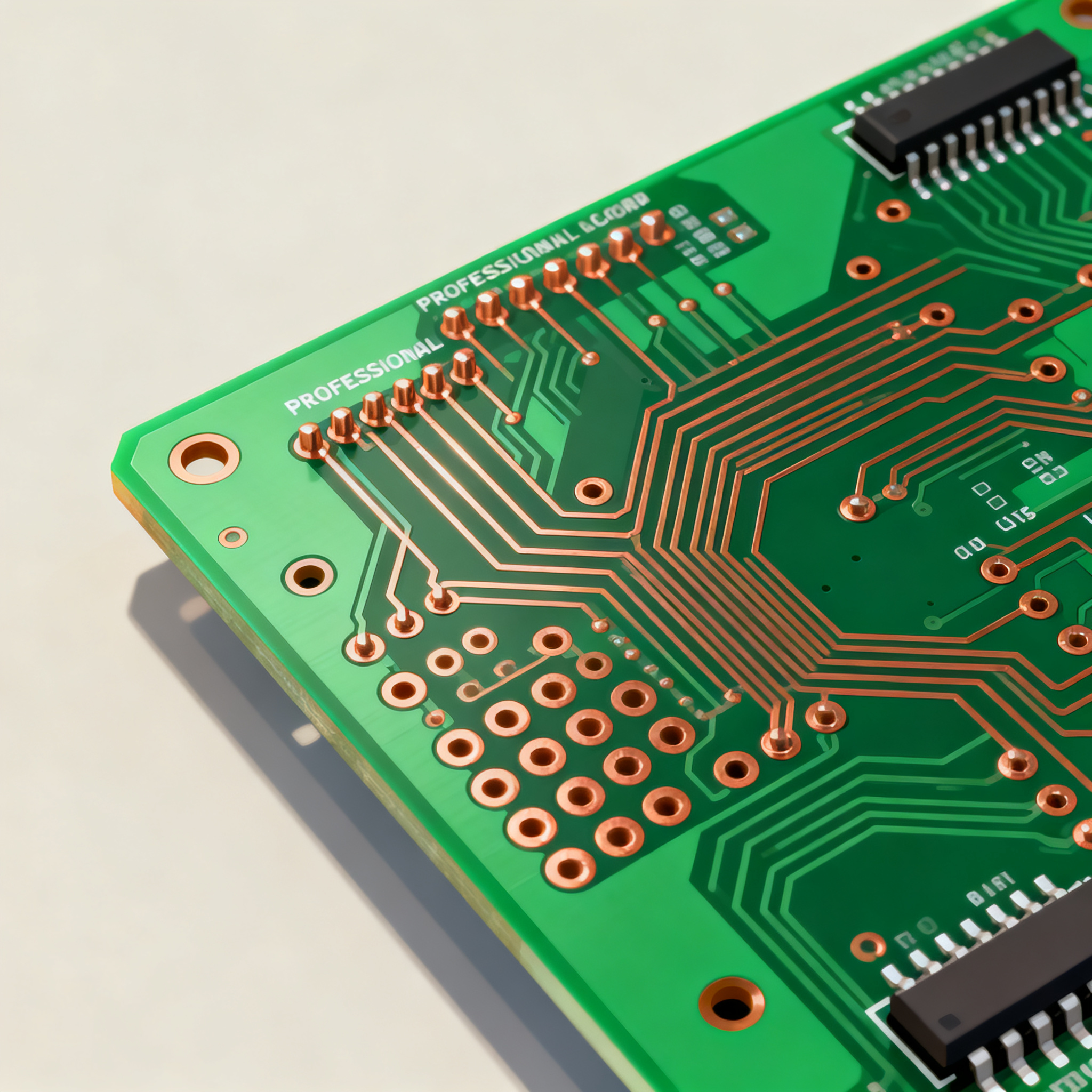
Choosing the Right PCB Assembly Equipment: A Practical Guide for Efficient Production
Choosing the Right PCB Assembly Equipment: A Practical Guide for Efficient Production Introduction In the rapidly evolving world of electronics, the efficiency of PCB assembly is paramount for meeting...
Introduction
In the rapidly evolving world of electronics, the efficiency of PCB assembly is paramount for meeting production demands and ensuring product reliability. Selecting the right PCB assembly equipment is crucial for optimizing performance, reducing costs, and maintaining high-quality standards. This guide provides an in-depth look at the key factors to consider when choosing PCB assembly equipment, focusing on component specifications, datasheets, selection criteria, and application circuits. Understanding these elements will help manufacturers and engineers make informed decisions to enhance their production capabilities.
Technical Overview
PCB assembly involves several critical steps, including solder paste application, component placement, soldering, and inspection. Each step requires specialized equipment that must be carefully selected based on specific criteria. The architecture of the PCB and its components plays a vital role in determining the suitable equipment. Factors such as the type of components (through-hole or surface mount), board size, production volume, and complexity influence equipment selection. Additionally, adherence to IPC standards, such as IPC-A-610 for assembly inspection and IPC-2221 for design requirements, ensures quality and reliability.
Understanding the core concepts of PCB assembly equipment, such as pick-and-place machines, reflow ovens, and inspection systems, is essential for optimizing production processes. These machines must be compatible with the specifications of the components used in the PCB design. Furthermore, the integration of automation and advanced technologies in assembly equipment can significantly improve efficiency and accuracy.
Detailed Specifications
When selecting PCB assembly equipment, understanding component specifications is essential. Key specifications include CPU speed, memory, peripherals, power requirements, and package type. These factors influence the performance and compatibility of the equipment with the components. Below is a table summarizing the core specifications of typical IC chips used in PCB assembly.
| Specification | Details | Importance |
|---|---|---|
| CPU Speed | 1.2 GHz | Determines processing power |
| Memory | 256 MB RAM | Affects data handling capability |
| Peripherals | USB, I2C, SPI | Enables connectivity options |
| Power Supply | 3.3V, 5V | Defines power compatibility |
| Package Type | QFN, BGA | Influences soldering method |
| Operating Temperature | -40°C to 85°C | Ensures reliability under conditions |
| Storage Memory | 512 MB Flash | Essential for firmware storage |
| Clock Frequency | 16 MHz | Impacts timing and speed |
| Data Bus Width | 32-bit | Determines data processing speed |
| Voltage Tolerance | ±5% | Ensures stable operation |
Key Takeaways from the Specifications
The core specifications table highlights the critical aspects of IC chips that impact PCB assembly. CPU speed and memory are crucial for determining the processing power and data handling capabilities of the chip. Peripherals such as USB, I2C, and SPI provide necessary connectivity options, while power supply requirements ensure compatibility with the equipment. The package type, such as QFN or BGA, influences the soldering method used, and the operating temperature range is vital for ensuring reliability under varying conditions. Understanding these specifications is essential for selecting equipment that meets production needs and ensures optimal performance.
| Characteristic | Value | Significance |
|---|---|---|
| Operating Voltage | 1.8V to 3.6V | Defines power supply needs |
| Current Consumption | 50 mA | Impacts power efficiency |
| Input Voltage | Min 2.0V, Max 3.6V | Ensures compatibility |
| Output Current | Max 10 mA | Determines output capability |
| Logic Levels | TTL Compatible | Ensures signal integrity |
| Propagation Delay | 5 ns | Affects timing accuracy |
| Rise/Fall Time | 2 ns | Impacts signal clarity |
| Leakage Current | 1 µA | Indicates power loss |
| Thermal Resistance | 30°C/W | Influences heat dissipation |
| Noise Margin | 0.4V | Ensures noise immunity |
Practical Implications
The electrical characteristics table provides insights into the operational parameters of IC chips. Operating voltage and current consumption are critical for defining power supply needs and efficiency. Input and output parameters ensure compatibility and determine the chip's output capabilities. Logic levels and propagation delay impact signal integrity and timing accuracy, while rise/fall time affects signal clarity. Factors such as leakage current and thermal resistance indicate power loss and heat dissipation needs, respectively. These electrical characteristics are vital for selecting equipment that matches the component's operational requirements and maximizes efficiency.
| Application | Configuration | Suitability |
|---|---|---|
| Consumer Electronics | Standard Performance | Cost-effective |
| Automotive | High Reliability | Robust and durable |
| Industrial Control | Extended Temperature Range | Reliable under harsh conditions |
| Medical Devices | Precision and Accuracy | Critical for safety |
| Telecommunications | High-Speed Data Processing | Optimized for bandwidth |
| Aerospace | Radiation Hardened | Suitable for extreme environments |
| IoT Devices | Low Power Consumption | Energy efficient |
| Wearable Technology | Compact Design | Lightweight and portable |
Application Guidelines
The application comparison table showcases various use cases and configurations of IC chips in different industries. Consumer electronics prioritize cost-effectiveness, while automotive applications require high reliability and durability. Industrial control systems necessitate components with an extended temperature range, and medical devices demand precision and accuracy. Telecommunications benefit from high-speed data processing, whereas aerospace applications need radiation-hardened components for extreme environments. IoT devices focus on low power consumption for energy efficiency, and wearable technology emphasizes compact design for portability. Understanding these applications helps in selecting the right components and equipment for specific industry needs.
Design Considerations
When designing a PCB assembly line, several factors must be considered to ensure optimal performance and cost-effectiveness. The choice of components and their specifications significantly impact the design process. It is essential to consider the compatibility of the components with the chosen assembly equipment. For instance, surface mount technology (SMT) components require precise pick-and-place machines and reflow soldering ovens, while through-hole components may need wave soldering equipment.
Another critical aspect is the layout of the PCB, which should adhere to design rules and standards such as IPC-2221. Proper layout ensures efficient signal routing, minimizes electromagnetic interference (EMI), and enhances thermal management. Additionally, the choice of materials, such as the type of solder paste and substrate, affects the assembly process and the final product's reliability.
Automation and advanced technologies, such as vision systems and machine learning, can be integrated into the assembly line to improve accuracy and reduce errors. These technologies enhance the inspection process, ensuring that each PCB meets quality standards. It is also important to consider the production volume and scalability of the assembly line, as this influences the choice of equipment and its capacity.
Lastly, collaboration with experienced PCB assembly service providers, such as Nova PCBA, can offer valuable insights and support in optimizing the design and assembly process. These providers offer flexible manufacturing solutions and quick-turn services that cater to specific production needs.
Step-by-Step Implementation
- Define Requirements: Begin by clearly defining the product requirements, including functionality, performance, and cost constraints. This step involves understanding the end-use application and the environment in which the PCB will operate.
- Select Components: Choose components based on their specifications and compatibility with the product requirements. Consider factors such as CPU speed, memory, power supply, and package type. Use datasheets and application notes to guide the selection process.
- Design PCB Layout: Create a detailed PCB layout using design software, adhering to standards such as IPC-2221. Ensure proper placement of components, efficient signal routing, and effective thermal management.
- Choose Assembly Equipment: Select appropriate assembly equipment based on the chosen components and PCB design. Consider the type of soldering process, such as reflow or wave soldering, and the need for automated inspection systems.
- Prototype and Test: Manufacture a prototype of the PCB and conduct thorough testing to validate its performance and reliability. Identify any design or assembly issues and make necessary adjustments.
- Optimize Production: Once the prototype is validated, optimize the production process for efficiency and scalability. Implement automation and advanced technologies to enhance accuracy and reduce errors.
- Quality Assurance: Establish a robust quality assurance process to ensure each PCB meets the required standards. Use automated inspection systems and adhere to IPC-A-610 for assembly quality.
- Finalize Production: After successful quality assurance, proceed with full-scale production. Monitor the assembly line for any issues and continuously improve the process for better efficiency and output.
Common Issues & Solutions
- Component Misplacement: Use automated pick-and-place machines with vision systems to ensure accurate component placement.
- Soldering Defects: Optimize reflow oven profiles and use quality solder paste to reduce defects such as solder bridges and voids.
- Signal Integrity Problems: Implement proper PCB layout techniques to minimize EMI and ensure signal integrity.
- Thermal Management Issues: Use thermal vias and heatsinks to enhance heat dissipation and prevent overheating.
- Quality Control Failures: Implement automated optical inspection (AOI) and X-ray inspection to identify defects and ensure quality.
- Production Delays: Collaborate with reliable PCB assembly service providers for quick-turn services and flexible manufacturing solutions.
Applications & Use Cases
PCBs are integral to various industries, each with specific requirements and challenges. In consumer electronics, PCBs are used in products like smartphones and laptops, where cost-effectiveness and compact design are crucial. The automotive industry relies on PCBs for control systems and infotainment devices, requiring high reliability and robustness.
In industrial control systems, PCBs must withstand harsh environments and offer extended temperature ranges. Medical devices demand precision and safety, making PCB reliability and accuracy vital. Telecommunications benefit from high-speed data processing capabilities, while aerospace applications require radiation-hardened components for extreme conditions. IoT devices prioritize low power consumption for energy efficiency, and wearable technology focuses on compact and lightweight designs.
Selection & Sourcing Guide
When selecting and sourcing components for PCB assembly, it is essential to collaborate with reputable suppliers and manufacturers. Utilize resources like IC Online to find reliable sources for IC chips and other components. Verify the supplier's credentials and ensure they provide quality components with comprehensive datasheets and application notes. Consider factors such as lead time, cost, and availability when making sourcing decisions.
FAQ
- Q: What is the importance of PCB assembly equipment?
- A: PCB assembly equipment is crucial for ensuring efficient production, high-quality standards, and cost-effectiveness in electronics manufacturing.
- Q: How do I choose the right components for my PCB?
- A: Consider specifications such as CPU speed, memory, power supply, and package type. Use datasheets and application notes to guide your selection.
- Q: What are the common soldering processes in PCB assembly?
- A: The common soldering processes include reflow soldering for SMT components and wave soldering for through-hole components.
- Q: How can I ensure the quality of assembled PCBs?
- A: Implement quality assurance processes, including automated optical inspection and adherence to IPC standards, to ensure high-quality assembly.
- Q: What are the advantages of using automated inspection systems?
- A: Automated inspection systems enhance accuracy, reduce errors, and ensure each PCB meets quality standards.
- Q: How do I address thermal management issues in PCB design?
- A: Use thermal vias, heatsinks, and proper layout techniques to enhance heat dissipation and prevent overheating.
- Q: What factors influence the choice of PCB assembly equipment?
- A: Factors include the type of components, production volume, board size, and complexity of the assembly process.
- Q: How do I optimize my PCB assembly line for efficiency?
- A: Integrate automation and advanced technologies, collaborate with experienced service providers, and continuously improve processes.
- Q: What are the key standards for PCB design and assembly?
- A: Key standards include IPC-A-610 for assembly inspection and IPC-2221 for design requirements.
- Q: How can I reduce production delays in PCB assembly?
- A: Collaborate with reliable service providers for quick-turn services and flexible manufacturing solutions.
Conclusion
Choosing the right PCB assembly equipment is a critical step in optimizing production processes and ensuring high-quality standards. By understanding component specifications, electrical characteristics, and application requirements, manufacturers can make informed decisions to enhance their assembly capabilities. Adhering to industry standards and collaborating with experienced service providers further ensures successful implementation and continuous improvement. This guide serves as a comprehensive resource for navigating the complexities of PCB assembly equipment selection and achieving efficient production.