SMT Assembly vs. Through-Hole: A Detailed Selection Guide for PCB Engineers
Introduction In the world of electronics, the choice between Surface Mount Technology (SMT) and Through-Hole Technology (THT) for PCB assembly is crucial. Each method has its unique advantages, challe...
Introduction
In the world of electronics, the choice between Surface Mount Technology (SMT) and Through-Hole Technology (THT) for PCB assembly is crucial. Each method has its unique advantages, challenges, and applications, making the decision a significant one for PCB engineers. With the rise of miniaturization and the demand for more compact, efficient, and cost-effective products, understanding these technologies and their implications on design and manufacturing processes is more important than ever. This guide aims to provide detailed insights into the specifications, performance metrics, and application scenarios for SMT and THT, aiding engineers in making informed decisions.
Technical Overview
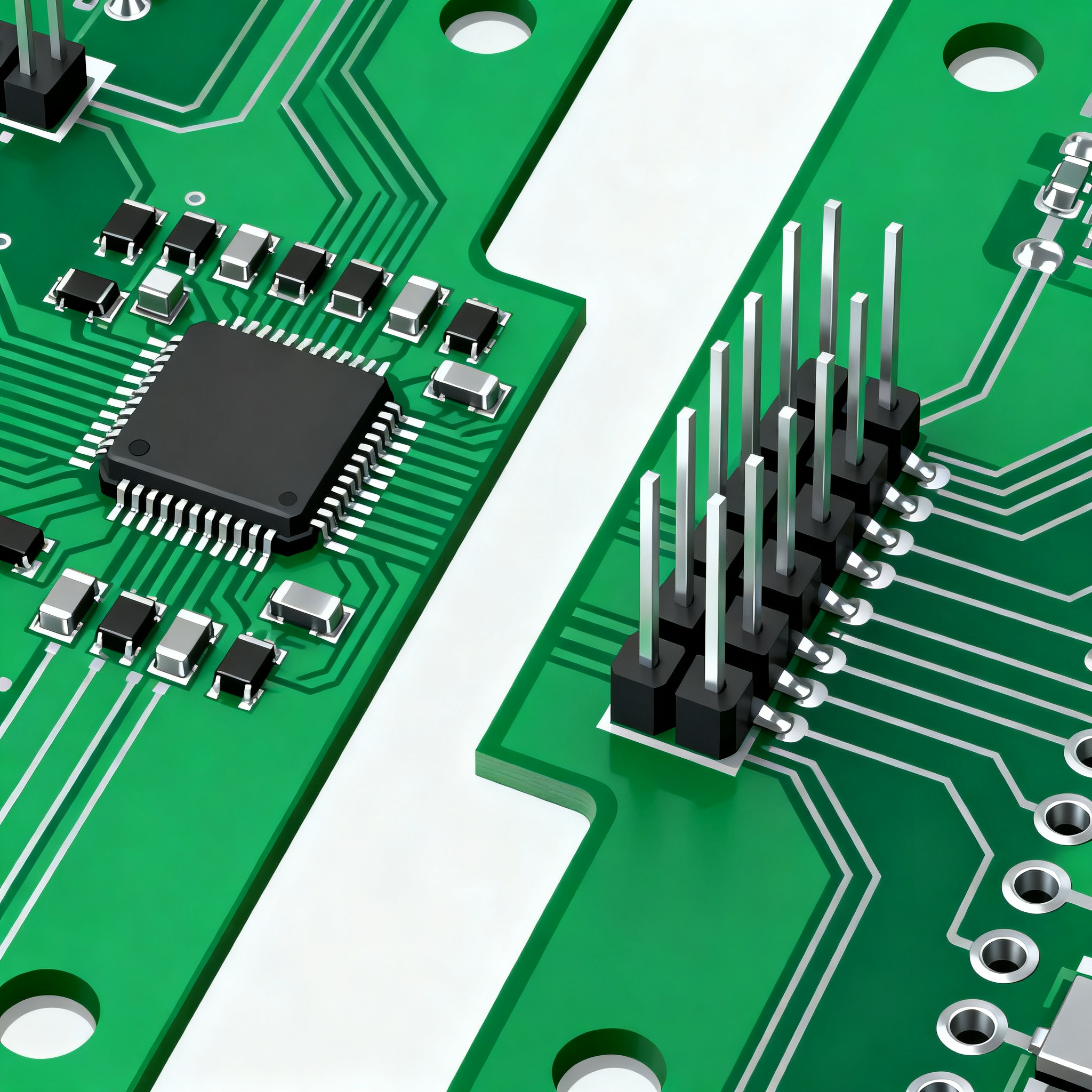
Surface Mount Technology (SMT) and Through-Hole Technology (THT) are two predominant methods used for assembling components onto printed circuit boards (PCBs). SMT involves mounting components directly onto the surface of the PCB, whereas THT requires inserting component leads into pre-drilled holes on the board. SMT is favored for its ability to accommodate smaller components and higher component densities, leading to reduced board size and weight. On the other hand, THT offers stronger mechanical bonds, making it ideal for applications that require high reliability and durability. Understanding the core principles and architecture of these technologies is essential for selecting the appropriate method based on specific project requirements and constraints.
Detailed Specifications
When selecting components for SMT or THT assembly, several key specifications must be considered. These include component size, lead pitch, power rating, and tolerance levels. Understanding these parameters is crucial for ensuring compatibility with the intended application and manufacturing process. The following table outlines some of the main specifications to consider when choosing between SMT and THT components.
| Parameter | SMT Specification | THT Specification |
|---|---|---|
| Component Size | Small (0402, 0603) | Larger (DIP, SIP) |
| Lead Pitch | 0.5mm - 1.27mm | 2.54mm |
| Power Rating | Low to Medium | High |
| Thermal Resistance | Higher | Lower |
| Mechanical Strength | Lower | Higher |
| Assembly Speed | Faster | Slower |
| Cost | Lower | Higher |
| Automation Suitability | High | Low |
| Space Utilization | Efficient | Less Efficient |
| Reliability | Moderate | High |
Key Takeaways from the Specifications
The specifications outlined in Table 1 highlight the fundamental differences between SMT and THT. SMT components are typically smaller, allowing for more compact designs and faster assembly processes. However, they may have higher thermal resistance and lower mechanical strength compared to THT components. THT, with its larger component size and stronger mechanical bonds, is better suited for applications requiring high reliability and durability. Understanding these differences is crucial for selecting the appropriate technology based on project-specific needs, such as space constraints, cost considerations, and performance requirements.
| Metric | SMT Performance | THT Performance |
|---|---|---|
| Electrical Conductivity | Moderate | High |
| Thermal Conductivity | Lower | Higher |
| Signal Integrity | Good | Excellent |
| Current Carrying Capacity | Lower | Higher |
| Frequency Response | Higher | Lower |
| Heat Dissipation | Challenging | Efficient |
| Vibration Resistance | Lower | Higher |
| Environmental Resistance | Moderate | High |
| Flexibility in Design | High | Low |
| Repairability | Lower | Higher |
Practical Implications
The performance metrics in Table 2 provide insights into the practical implications of choosing SMT or THT for a given application. SMT offers better frequency response and design flexibility, making it ideal for high-speed and high-frequency applications. However, THT's superior electrical and thermal conductivity, along with its higher current carrying capacity, make it suitable for power-intensive and high-reliability applications. Understanding these performance characteristics is essential for optimizing the design and ensuring the longevity and effectiveness of the final product.
| Use Case | SMT Configuration | THT Configuration |
|---|---|---|
| Consumer Electronics | Compact, Lightweight | Durable, Reliable |
| Automotive Systems | High-Speed Communication | High-Temperature Tolerance |
| Industrial Equipment | Flexible Design | High Power Handling |
| Medical Devices | Miniaturization | Robustness |
| Telecommunications | High-Frequency Operation | Signal Integrity |
| Aerospace Applications | Weight Reduction | Reliability Under Stress |
| Military Systems | Advanced Functionality | Environmental Resistance |
| Home Appliances | Cost-Effective | Long Lifespan |
Application Guidelines
The application matrix in Table 3 illustrates the typical configurations for SMT and THT in various industries. SMT is preferred in consumer electronics and telecommunications for its compact design and high-frequency capabilities. In contrast, THT is favored in automotive, industrial, and aerospace applications due to its robustness and high power handling capabilities. Selecting the appropriate assembly method involves considering the specific demands of the application, such as environmental conditions, reliability requirements, and cost constraints, to ensure optimal performance and longevity of the product.
Design Considerations
When designing PCBs, several considerations must be taken into account to ensure successful assembly and functionality. For SMT, the focus should be on optimizing pad design and solder mask openings to prevent solder bridging and ensure reliable connections. It's essential to adhere to IPC standards, such as IPC-A-610, to maintain quality and reliability. For THT, ensuring proper hole size and placement is crucial for achieving strong mechanical bonds and electrical connections. Additionally, the choice of soldering technique, whether wave soldering for THT or reflow for SMT, impacts the overall process. Engineers must also consider thermal management, as SMT components can have higher thermal resistance, necessitating adequate heat dissipation strategies. The integration of mixed technology assemblies, combining both SMT and THT, can offer a balanced solution for complex designs, leveraging the advantages of each method while minimizing their limitations.
Step-by-Step Implementation
- Define the project requirements, including size, weight, cost, and performance criteria.
- Select the appropriate assembly technology (SMT or THT) based on the project needs.
- Design the PCB layout, considering component placement, routing, and thermal management.
- Choose components that meet the specified requirements, referring to datasheets and manufacturer recommendations.
- Determine the manufacturing process, selecting suitable soldering techniques for the chosen assembly method.
- Conduct a design review to ensure compliance with industry standards and manufacturability.
- Prototype the design, testing for electrical performance, mechanical integrity, and thermal behavior.
- Iterate on the design as needed, addressing any issues identified during testing, and prepare for full-scale production.
Common Issues & Solutions
- Solder Bridging: Use appropriate pad sizes and solder mask openings to prevent excess solder.
- Component Misalignment: Ensure precise placement and alignment during assembly to avoid misfits.
- Thermal Stress: Implement heat sinks or thermal vias to manage heat dissipation effectively.
- Signal Integrity Issues: Optimize trace routing and layer stack-up to minimize signal interference.
- Insufficient Mechanical Strength: Use THT components for applications requiring high mechanical robustness.
- High Cost: Opt for SMT to reduce material and assembly costs where feasible.
Applications & Use Cases
SMT and THT are utilized across various industries, each serving distinct applications. In consumer electronics, SMT is ideal for producing compact and lightweight devices like smartphones and tablets. Automotive systems often rely on THT for its durability and reliability under harsh conditions. Industrial equipment benefits from the high power handling of THT, while medical devices leverage the miniaturization capabilities of SMT. Telecommunications equipment requires the high-frequency performance of SMT, whereas aerospace and military systems demand the robustness and environmental resistance of THT. Understanding these applications aids in selecting the appropriate assembly method to meet industry-specific demands.
Selection & Sourcing Guide
For sourcing components and materials, consider reputable suppliers that offer a wide range of options and adhere to industry standards. Utilize resources such as IC Online to explore available components, compare specifications, and ensure compatibility with your design requirements. Collaborating with experienced PCB manufacturers like PCBWay and Nova PCBA can also provide valuable insights and support throughout the design and assembly process, ensuring high-quality results and timely production.
FAQ
- What is the main difference between SMT and THT? SMT mounts components directly onto the PCB surface, while THT involves inserting leads into pre-drilled holes.
- Which method is better for high-frequency applications? SMT is preferred for high-frequency applications due to its superior frequency response and design flexibility.
- How does component size affect assembly choice? Smaller components favor SMT for compact designs, while larger components may be better suited for THT.
- What are the cost implications of SMT vs. THT? SMT generally offers lower assembly costs due to its faster and more automated processes.
- Can SMT and THT be combined in a single PCB? Yes, mixed technology assemblies can leverage the advantages of both methods for complex designs.
- What are common challenges in SMT assembly? Solder bridging and thermal management are common challenges that require careful design considerations.
- Why is THT preferred for high-reliability applications? THT provides stronger mechanical bonds and better thermal and electrical conductivity, making it ideal for high-reliability needs.
- How do IPC standards impact PCB design? IPC standards ensure quality and reliability in PCB design, assembly, and inspection processes.
- What role does thermal management play in SMT designs? Effective thermal management is crucial in SMT designs due to higher thermal resistance, necessitating strategies like heat sinks or thermal vias.
- How can I ensure signal integrity in high-speed designs? Optimize trace routing and use appropriate materials to minimize signal interference and maintain integrity.
Conclusion
Choosing between SMT and THT for PCB assembly involves understanding the distinct advantages, limitations, and applications of each technology. By evaluating key specifications, performance metrics, and application scenarios, engineers can make informed decisions that align with project requirements and industry standards. Whether prioritizing compact design, high reliability, or cost-effectiveness, selecting the right assembly method is crucial for achieving optimal performance and success in today's competitive electronics landscape.