Key Considerations for IoT Security System PCB Assembly: A Practical Engineer's Guide
Introduction The rise of the Internet of Things (IoT) has ushered in a new era of connectivity, enabling devices to communicate and interact in unprecedented ways. This transformation is fueled by sop...
Introduction
The rise of the Internet of Things (IoT) has ushered in a new era of connectivity, enabling devices to communicate and interact in unprecedented ways. This transformation is fueled by sophisticated electronics, with Printed Circuit Boards (PCBs) playing a pivotal role. As IoT devices proliferate across industries, ensuring the security of these systems becomes paramount. A critical component in this process is the IC chip, which serves as the brain of IoT devices. This article delves into the key considerations for selecting and assembling PCBs for IoT security systems, focusing on component specifications, datasheets, selection criteria, and application circuits.
Technical Overview
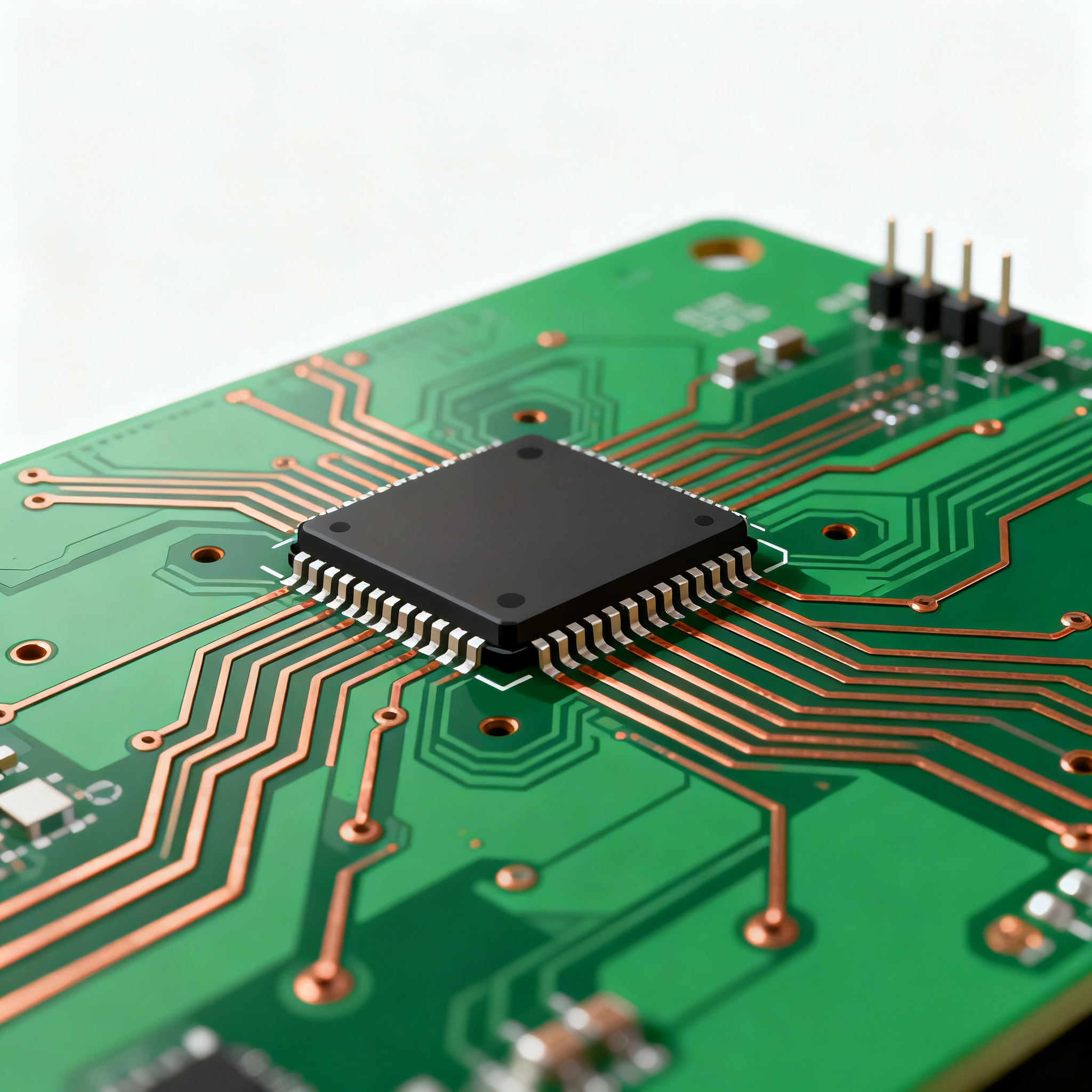
In the realm of IoT, PCBs are the backbone of device functionality, integrating various components such as sensors, microcontrollers, and communication modules. The architecture of these boards is crucial, as it dictates the performance, reliability, and security of the device. Key principles in PCB design for IoT include minimizing electromagnetic interference, optimizing power consumption, and ensuring robust data transmission. The choice of IC chips is particularly important, as they must support the necessary computational power, memory, and connectivity options while maintaining a compact form factor.
Understanding the intricacies of PCB assembly for IoT security systems involves a comprehensive evaluation of component specifications. These include the CPU speed, memory capacity, peripheral interfaces, power requirements, and package types. Datasheets provide invaluable insights into these specifications, guiding engineers in selecting the most appropriate components for their applications. Additionally, adherence to IPC standards, such as IPC-A-610 and IPC-2221, is essential for ensuring quality and reliability in PCB design and manufacturing.
Detailed Specifications
When selecting IC chips for IoT security systems, several specifications are critical. These include the CPU speed, which determines the processing capability of the chip, and the memory, which affects data storage and retrieval. Peripheral interfaces like I2C, SPI, and UART are essential for communication with other components. Power consumption is another vital consideration, as IoT devices often rely on battery power. Lastly, the package type influences the physical size and heat dissipation characteristics of the chip.
| Specification | Description | Value |
|---|---|---|
| CPU Speed | Processing capability of the chip | 1.2 GHz |
| Memory | Data storage capacity | 512 MB |
| Peripherals | Interfaces for communication | I2C, SPI, UART |
| Power Consumption | Energy usage of the chip | 2.5 W |
| Package Type | Physical form of the chip | BGA |
| Operating Temperature | Temperature range for operation | -40°C to 85°C |
| Voltage Supply | Power supply voltage range | 3.3 V |
| GPIO Pins | General-purpose input/output pins | 40 Pins |
| ADC Channels | Analog-to-digital converter channels | 8 Channels |
| Flash Memory | Non-volatile storage | 256 MB |
| Security Features | Built-in security capabilities | Encryption, Secure Boot |
Key Takeaways from the Specifications
The specifications outlined in Table 1 highlight the critical aspects that engineers must consider when selecting an IC chip for IoT security systems. The CPU speed and memory are pivotal for processing and storage capabilities, directly impacting the device's performance. Peripherals such as I2C, SPI, and UART enable seamless communication with other components, while power consumption is crucial for battery-operated devices. The package type affects the chip's physical size and heat dissipation, important factors for compact IoT devices. Understanding these specifications helps engineers make informed decisions, ensuring the selected components meet the application's requirements.
| Parameter | Description | Value |
|---|---|---|
| Supply Voltage | Voltage required for operation | 3.3 V |
| Operating Current | Current consumption during operation | 750 mA |
| Standby Current | Current consumption in standby mode | 10 µA |
| Propagation Delay | Time delay in signal propagation | 5 ns |
| Input Voltage High | Minimum voltage for a high signal | 2.0 V |
| Input Voltage Low | Maximum voltage for a low signal | 0.8 V |
| Output Voltage High | Voltage level for a high output | 3.0 V |
| Output Voltage Low | Voltage level for a low output | 0.4 V |
| Clock Frequency | Frequency of the clock signal | 100 MHz |
| ESD Protection | Electrostatic discharge protection level | 2 kV |
| Latch-Up Current | Current level at which latch-up occurs | 100 mA |
| Thermal Resistance | Resistance to heat flow | 30°C/W |
Practical Implications
The electrical characteristics detailed in Table 2 provide crucial insights into the operational parameters of IC chips in IoT security systems. The supply voltage and operating current are vital for power management, especially in battery-powered devices. Propagation delay affects signal timing and overall system speed, while input and output voltage levels determine signal integrity. ESD protection and latch-up current are critical for device reliability, safeguarding against electrical damage. Understanding these parameters helps engineers optimize device performance and ensure longevity, particularly in challenging environments.
| Application | Configuration | Key Requirements |
|---|---|---|
| Smart Home Security | WiFi, Motion Sensors | Low Power, High Security |
| Industrial IoT | Ethernet, PLC Integration | Robustness, Real-Time Data |
| Healthcare Monitoring | Bluetooth, Wearable Sensors | Low Latency, High Accuracy |
| Agricultural Automation | LoRa, Environmental Sensors | Long Range, Energy Efficiency |
| Smart Grid | Zigbee, Energy Meters | Scalability, Data Security |
| Automotive Systems | CAN Bus, GPS | High Reliability, Fast Processing |
| Retail Analytics | NFC, RFID | Cost Efficiency, Data Processing |
Application Guidelines
The applications and configurations presented in Table 3 illustrate the diverse use cases of IoT security systems across various industries. Each application has specific requirements, such as low power and high security for smart home devices, or robustness and real-time data for industrial IoT. Understanding these requirements helps engineers select the right components and configurations to meet the unique demands of each application. By aligning component specifications with application needs, engineers can optimize performance, enhance security, and ensure the successful deployment of IoT systems.
Design Considerations
Designing PCBs for IoT security systems involves several critical considerations. Firstly, component selection is paramount, as it directly influences the device's performance, reliability, and security. Engineers must choose components that offer the necessary computational power, memory, and connectivity options while maintaining a compact form factor. Additionally, power management is crucial, especially for battery-operated devices, requiring careful attention to power consumption and efficiency.
Another key consideration is signal integrity, which involves minimizing electromagnetic interference and ensuring robust data transmission. This requires careful routing of traces and strategic placement of components. Thermal management is also essential, as excessive heat can compromise device performance and longevity. Engineers must consider the thermal characteristics of components and incorporate adequate heat dissipation measures.
Adherence to industry standards, such as IPC-A-610 and IPC-2221, is vital for ensuring quality and reliability in PCB design and manufacturing. These standards provide guidelines for various aspects of PCB assembly, including soldering, component placement, and inspection. By following these standards, engineers can ensure that their designs meet quality requirements and withstand the rigors of real-world applications.
Step-by-Step Implementation
- Define Requirements: Begin by defining the specific requirements for your IoT security system, including processing power, memory, connectivity, and security features. Consider the application's unique demands and constraints, such as power consumption and environmental conditions.
- Select Components: Choose the appropriate IC chips and other components based on the defined requirements. Consult datasheets and evaluate specifications such as CPU speed, memory capacity, and peripheral interfaces. Ensure compatibility with other components and compliance with industry standards.
- Create Schematic: Develop a detailed schematic of the PCB design, incorporating all selected components and their connections. Use design software to create a clear and accurate representation of the circuit, ensuring all components are correctly placed and connected.
- PCB Layout Design: Design the PCB layout, focusing on trace routing, component placement, and layer stack-up. Optimize the layout for signal integrity, power distribution, and thermal management. Use design rules and guidelines from resources like PCBWay to ensure manufacturability.
- Prototype and Test: Fabricate a prototype of the PCB and conduct thorough testing to validate the design. Perform functional tests, signal integrity analysis, and thermal analysis to identify and address any issues. Iterate on the design as needed to achieve optimal performance.
- Finalize Design: Once testing is complete and the design is validated, finalize the PCB design for production. Prepare detailed documentation, including assembly instructions, bill of materials, and test procedures. Ensure compliance with IPC standards and quality requirements.
- Manufacture and Assemble: Partner with a reputable PCB manufacturer and assembly service, such as Nova PCBA, to produce and assemble the final PCBs. Ensure the manufacturer has the capabilities to meet your specifications and quality standards.
- Deploy and Monitor: Deploy the IoT security system in the intended environment and continuously monitor its performance. Collect data to assess the system's reliability, security, and efficiency, and make any necessary adjustments or improvements.
Common Issues & Solutions
- Signal Interference: Electromagnetic interference can disrupt data transmission. To mitigate this, carefully route traces and use shielding techniques to minimize interference.
- Overheating: Excessive heat can damage components and reduce device lifespan. Implement adequate thermal management measures, such as heat sinks and thermal vias, to dissipate heat effectively.
- Component Mismatch: Incompatible components can lead to malfunctions. Ensure all components are compatible and meet the application's specifications by thoroughly reviewing datasheets and specifications.
- Power Consumption: High power consumption can drain batteries quickly. Optimize power management by selecting energy-efficient components and implementing power-saving modes.
- Manufacturing Defects: Defects during manufacturing can affect PCB quality. Partner with experienced manufacturers and conduct rigorous quality inspections to identify and address defects early.
- Security Vulnerabilities: Inadequate security measures can expose devices to cyber threats. Implement robust security features, such as encryption and secure boot, to protect sensitive data.
Applications & Use Cases
IoT security systems have a wide range of applications across various industries. In smart homes, these systems enable secure monitoring and control of devices such as cameras, door locks, and lighting. In industrial settings, IoT devices facilitate real-time monitoring and control of machinery, enhancing operational efficiency and safety. In healthcare, IoT devices enable remote patient monitoring and data collection, improving patient care and outcomes. Agricultural automation leverages IoT for precision farming, optimizing resource use and crop yields. In each of these use cases, the selection and assembly of PCBs play a critical role in ensuring the security and functionality of the devices.
Selection & Sourcing Guide
When selecting and sourcing IC chips for IoT security systems, it's essential to consider factors such as performance, compatibility, and cost. Utilize online resources like IC Online to explore a wide range of components and compare specifications. Ensure the selected components meet the application's requirements and are sourced from reputable suppliers to ensure quality and reliability. Additionally, consider lead times and availability to avoid delays in production and deployment.
FAQ
- What is the importance of CPU speed in IoT devices?
CPU speed determines the processing capability of the device, affecting its ability to handle complex tasks and process data quickly. - How does power consumption impact IoT devices?
Power consumption is critical for battery-powered devices, as it affects battery life and operational efficiency. Optimizing power consumption is essential for extending device lifespan. - What are the key factors to consider when selecting an IC chip?
Key factors include CPU speed, memory, connectivity options, power consumption, and package type. It's essential to ensure compatibility with the application and other components. - How can I ensure signal integrity in my PCB design?
Ensure signal integrity by carefully routing traces, minimizing electromagnetic interference, and using shielding techniques. Proper component placement and trace routing are crucial. - What is the role of datasheets in component selection?
Datasheets provide detailed specifications and performance characteristics of components, guiding engineers in selecting the most suitable components for their applications. - Why are IPC standards important in PCB design?
IPC standards ensure quality and reliability in PCB design and manufacturing. They provide guidelines for various aspects of PCB assembly, including soldering and inspection. - How can I address security vulnerabilities in IoT devices?
Implement robust security features, such as encryption and secure boot, to protect data and prevent unauthorized access. Regularly update security measures to address emerging threats. - What are some common manufacturing defects in PCBs?
Common defects include soldering issues, misaligned components, and trace routing errors. Conduct rigorous quality inspections to identify and address defects early. - How do I choose the right PCB manufacturer?
Choose a manufacturer with experience in IoT devices and a track record of quality and reliability. Consider factors such as capabilities, lead times, and certifications. - What are the benefits of IoT security systems?
IoT security systems enhance device connectivity, control, and monitoring, improving efficiency, safety, and security across various applications and industries.
Conclusion
In the rapidly evolving landscape of IoT, the selection and assembly of PCBs for security systems are crucial for ensuring device performance, reliability, and security. By understanding component specifications, electrical characteristics, and application requirements, engineers can make informed decisions and optimize their designs. Adhering to industry standards and leveraging online resources further enhances the quality and success of IoT deployments. As IoT continues to transform industries, the role of PCBs in enabling secure and efficient connectivity will only grow in importance.