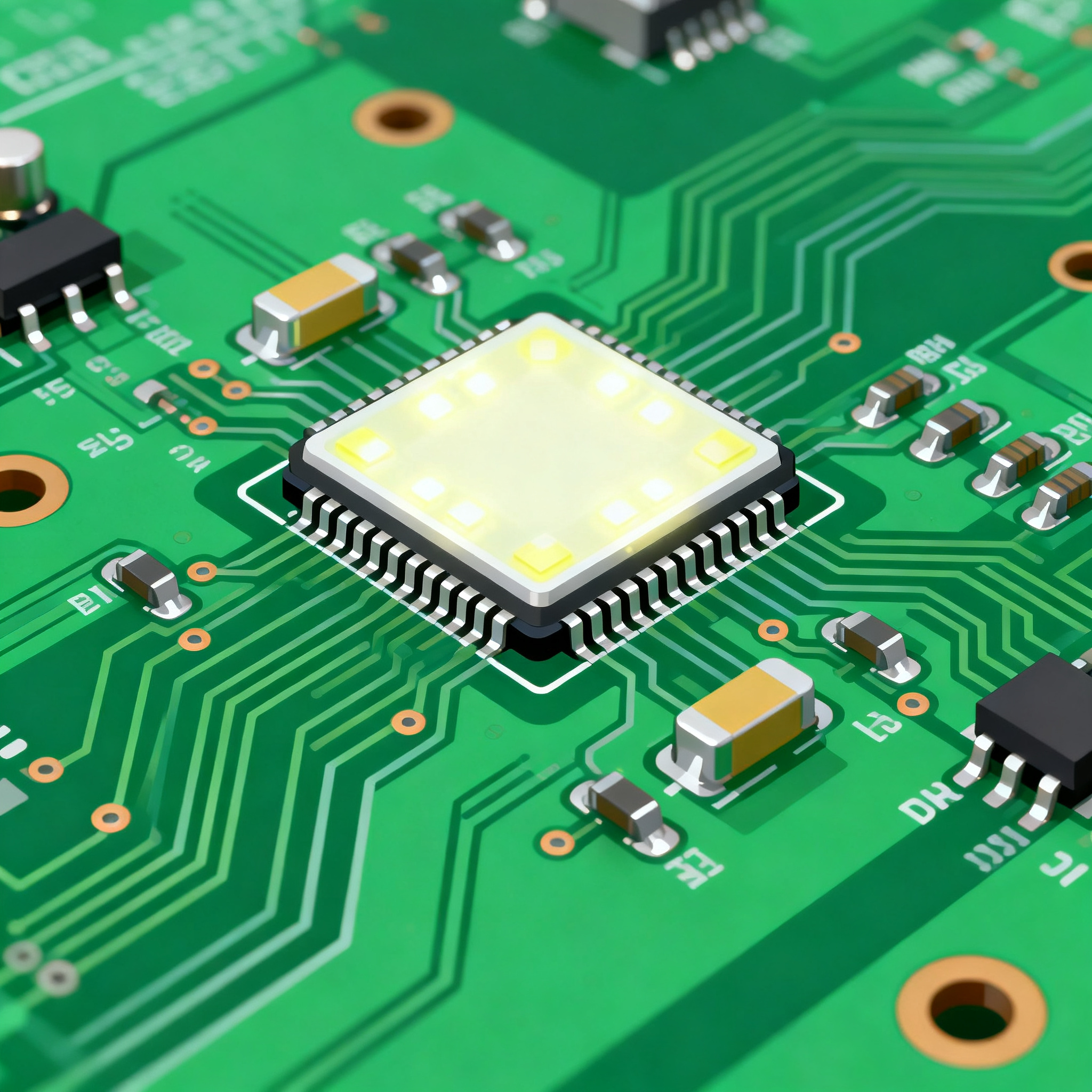
Maximize Efficiency with LED Driver PCB Assembly Services for Cost-Effective Lighting Solutions
Maximize Efficiency with LED Driver PCB Assembly Services table { border-collapse: collapse; width: 100%; margin: 20px 0; } th, td { border: 1px solid #ddd; padding: 8px; } th { background: #f0f0f0; }...
Introduction
In today's rapidly evolving electronics industry, efficient and cost-effective lighting solutions are more critical than ever. LED driver PCB assembly services play a pivotal role in maximizing the efficiency of lighting systems, offering enhanced performance, reliability, and energy savings. As lighting technology advances, the demand for high-quality LED drivers that meet rigorous specifications and standards has increased. This article delves into the technical aspects of LED driver PCB assembly, focusing on component specifications, datasheets, selection criteria, and application circuits to help you make informed decisions for your next project.
Technical Overview
LED drivers are essential components in LED lighting systems, responsible for regulating the power to the LEDs, ensuring optimal performance, and extending their lifespan. The architecture of an LED driver typically includes a power conversion circuit, control circuitry, and protection mechanisms. These components work together to convert AC input into a stable DC output, which is required by most LEDs. The design principles of LED drivers focus on efficiency, thermal management, and electromagnetic compatibility (EMC). Understanding these core concepts is crucial for selecting the right LED driver for your application.
Detailed Specifications
When selecting an LED driver, several specifications are critical to consider, including CPU speed, memory, peripherals, power requirements, and package type. These factors determine the compatibility and performance of the driver in various applications. Below is a detailed table outlining the core specifications of a typical LED driver IC.
| Specification | Details | Importance |
|---|---|---|
| CPU Speed | 50 MHz | Determines processing capability |
| Memory | 128 KB Flash | Stores firmware and settings |
| Peripherals | UART, I2C, SPI | Communication interfaces |
| Power | 5-24V DC Input | Voltage range for operation |
| Package | SOP-16 | Physical form factor |
| Operating Temperature | -40°C to 85°C | Environmental tolerance |
| Output Channels | 4 | Number of LED channels supported |
| Efficiency | 95% | Energy conversion efficiency |
| Control Method | PWM | Type of dimming control |
| Protection Features | OVP, SCP, OTP | Overvoltage, short-circuit, over-temperature protection |
Key Takeaways from the Specifications
The core specifications of an LED driver are crucial for ensuring compatibility and performance in your lighting application. For instance, the CPU speed and memory size affect the driver's ability to process complex control algorithms and store necessary firmware. The power input range and efficiency determine the driver's suitability for different power environments and its energy-saving capabilities. Understanding these specifications allows engineers to select the appropriate LED driver that meets the specific requirements of their project, ensuring optimal performance and longevity.
Electrical Characteristics
Electrical characteristics are vital for assessing the performance and reliability of an LED driver. Key parameters include voltage, current, timing, and I/O specifications. These characteristics dictate how the driver interacts with LEDs and other components in the circuit. The following table provides detailed insights into the electrical characteristics of a typical LED driver IC.
| Parameter | Value | Significance |
|---|---|---|
| Input Voltage | 5-24V | Range of acceptable input voltage |
| Output Voltage | 3.3-5V | Voltage supplied to LEDs |
| Output Current | 350mA per channel | Current supplied to each LED channel |
| Switching Frequency | 500 kHz | Frequency of PWM signal |
| Quiescent Current | 1.5 mA | Current consumption in idle state |
| Max Duty Cycle | 90% | Maximum PWM duty cycle |
| Input Ripple Voltage | 50 mV | Ripple voltage tolerance |
| Thermal Shutdown | 150°C | Temperature at which driver shuts down |
| EMC Compliance | EN55015 | Electromagnetic compatibility standard |
| Load Regulation | ±1% | Stability of output voltage under varying load |
| Line Regulation | ±0.5% | Stability of output voltage under varying input |
Practical Implications
The electrical characteristics of an LED driver determine its interaction with the rest of the circuit and its overall performance. For example, the input and output voltage ranges must match the system requirements to avoid damage to the LEDs or the driver itself. The switching frequency affects the quality of the dimming and the electromagnetic interference (EMI) generated by the driver. Understanding these parameters helps in designing circuits that are both efficient and compliant with industry standards, ensuring reliable operation in various environments.
Application Comparison
LED drivers can be configured for various applications, each with unique requirements. This table compares different use cases and configurations to highlight the versatility of LED drivers in different scenarios.
| Application | Configuration | Benefits |
|---|---|---|
| Street Lighting | High Power, Multiple Channels | Efficient lighting, low maintenance |
| Indoor Lighting | Low Power, Single Channel | Energy efficient, cost-effective |
| Automotive Lighting | Compact, High Efficiency | Durable, withstands harsh conditions |
| Display Panels | High Frequency, PWM Control | High brightness, precise control |
| Emergency Lighting | Battery Backup, Low Power | Reliable during power outages |
| Architectural Lighting | Flexible, RGB Control | Creative lighting designs |
| Industrial Lighting | Robust, High Output | Long lifespan, high efficiency |
Application Guidelines
Choosing the right LED driver configuration is crucial for maximizing the benefits of your lighting solution. For instance, high-power, multi-channel configurations are ideal for street lighting, providing efficient illumination with minimal maintenance. In contrast, indoor lighting applications benefit from low-power, single-channel drivers that offer energy savings and cost-effectiveness. Understanding these configurations enables designers to tailor their solutions to specific applications, ensuring optimal performance and reliability.
Design Considerations
When designing LED driver circuits, several factors must be considered to ensure optimal performance and reliability. First, the thermal management of the driver is crucial, as excessive heat can degrade performance and reduce lifespan. Proper heat sinking and thermal design are essential. Second, electromagnetic compatibility (EMC) must be addressed to prevent interference with other electronic devices. This involves careful layout and grounding techniques. Third, selecting components that meet the relevant IPC standards ensures quality and reliability. Finally, the power efficiency of the driver affects the overall energy consumption of the lighting system. By considering these factors, designers can create efficient and reliable LED driver circuits that meet the demands of modern lighting applications.
Step-by-Step Implementation
- Define the requirements of your lighting application, including power, efficiency, and environmental conditions.
- Select an appropriate LED driver IC based on the core specifications and electrical characteristics outlined earlier.
- Design the PCB layout, ensuring proper thermal management and EMC compliance.
- Source quality components that meet the necessary standards and specifications.
- Assemble the PCB using a reliable PCB assembly service, such as those offered by Nova PCBA or PCBWay.
- Test the assembled PCB for functionality, efficiency, and compliance with the design requirements.
- Integrate the LED driver with the rest of the lighting system and conduct thorough testing under real-world conditions.
- Iterate on the design based on feedback and performance data to optimize for cost and efficiency.
Common Issues & Solutions
- Overheating: Implement effective thermal management strategies, such as heat sinks and thermal vias, to dissipate heat efficiently.
- EMI Interference: Ensure proper grounding and use shielding techniques to minimize electromagnetic interference.
- Inconsistent Output: Verify component tolerances and ensure that the driver operates within its specified electrical characteristics.
- Low Efficiency: Optimize the circuit design and component selection to enhance power conversion efficiency.
- Component Failure: Use components that meet or exceed the required reliability standards and perform regular maintenance checks.
- Poor Dimming Performance: Adjust the PWM frequency and duty cycle to achieve smooth and precise dimming control.
Applications & Use Cases
LED drivers are used in a wide range of applications, from street lighting and automotive lighting to indoor and architectural lighting. They offer significant advantages in terms of energy efficiency, lifespan, and versatility. In street lighting, LED drivers provide efficient illumination with minimal maintenance requirements. Automotive lighting applications benefit from the robustness and durability of LED drivers, which can withstand harsh environmental conditions. Indoor and architectural lighting applications leverage the flexibility and control offered by LED drivers to create dynamic and creative lighting designs. By understanding the specific requirements of each application, designers can select the appropriate LED driver solution to meet their needs.
Selection & Sourcing Guide
Choosing the right LED driver involves evaluating the specifications and characteristics that align with your application requirements. For sourcing, visit IC Online to explore a comprehensive selection of LED drivers and other electronic components. Ensure that the selected components meet the necessary standards and quality criteria for your project.
FAQ
- What is the role of an LED driver in a lighting system? An LED driver regulates the power supplied to LEDs, ensuring optimal performance and longevity.
- How do I choose the right LED driver for my application? Consider the core specifications, electrical characteristics, and application requirements to select a suitable LED driver.
- What are common challenges in LED driver design? Common challenges include thermal management, EMI interference, and achieving high efficiency.
- How can I improve the efficiency of my LED driver circuit? Optimize the circuit design, select high-quality components, and implement effective thermal management strategies.
- What standards should my LED driver meet? Ensure compliance with relevant IPC standards, such as IPC-A-610 and IPC-2221, for quality and reliability.
- Can LED drivers be used in outdoor applications? Yes, LED drivers can be designed for outdoor applications, provided they are robust and weather-resistant.
- What is PWM control in LED drivers? PWM (Pulse Width Modulation) control adjusts the brightness of LEDs by varying the duty cycle of the power signal.
- How do I address EMI issues in my LED driver design? Use proper grounding, shielding, and layout techniques to minimize electromagnetic interference.
- What is the importance of thermal management in LED drivers? Effective thermal management prevents overheating, ensuring reliable operation and extending the lifespan of the driver.
- Where can I source quality LED drivers? Visit IC Online for a wide selection of quality LED drivers and other electronic components.
Conclusion
Maximizing the efficiency of LED lighting systems involves careful selection and design of LED drivers. By understanding the core specifications, electrical characteristics, and application requirements, engineers can make informed decisions that enhance performance and reduce costs. Leveraging professional PCB assembly services ensures quality and reliability in the final product. With the right approach, LED drivers can deliver cost-effective and efficient lighting solutions across a wide range of applications.