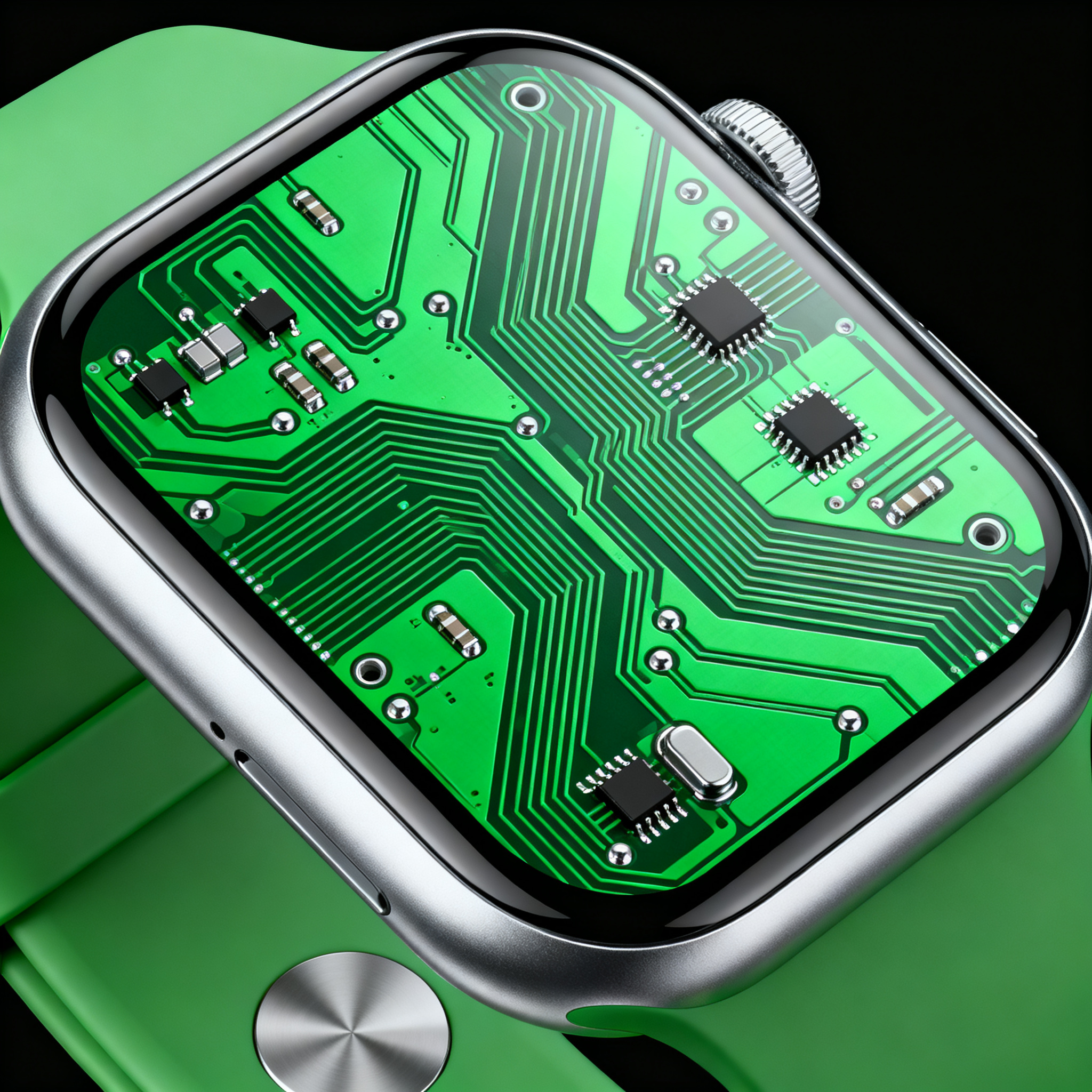
Smartwatch PCBA Manufacturing Solutions: Future-Proofing with 6-Layer Designs and Advanced Materials
Navigating Challenges in Smartwatch PCBA Production In the realm of smartwatch PCBA production, the past year has been marked by significant challenges, primarily driven by supply chain disruptions an...
Navigating Challenges in Smartwatch PCBA Production
In the realm of smartwatch PCBA production, the past year has been marked by significant challenges, primarily driven by supply chain disruptions and component shortages. These issues have forced manufacturers to adapt quickly to maintain production schedules and meet the high demand for wearable technology. For instance, the Wearable Health Monitoring Bracelet PCB Solution highlights the necessity of sourcing alternatives to replace shortage components without redesigning entire systems. This approach is crucial to avoid costly production delays and maintain market competitiveness. Moreover, the need for rapid response in the event of recalls is underscored by the practices of companies like GNS, which employs a Manufacturing Execution System (MES) to trace every component down to its batch level (GNS). The MES system is vital in ensuring that any defective components can be swiftly identified and replaced, minimizing downtime and protecting brand reputation. The challenges extend beyond component shortages. The pressure to innovate and integrate advanced materials and designs, such as 6-layer PCBs, further complicates the landscape. These designs demand precise engineering and manufacturing capabilities to ensure that performance and reliability are not compromised. Smartwatch PCBAs, as noted by Alibaba, require a focus on material quality, power efficiency, and size optimization to deliver a seamless user experience. This ensures that smartwatches not only meet but exceed consumer expectations in terms of functionality and durability.Understanding the Engineering Principles Behind 6-Layer Smartwatch PCBAs
The transition to 6-layer designs in smartwatch PCBA manufacturing represents a significant leap forward in meeting the complex demands of modern wearables. These designs offer enhanced routing capabilities, thermal management, and electrical performance, which are critical for the compact nature of smartwatches.| Parameter | Value/Range | Unit/Notes |
|---|---|---|
| Layer Count | 6 | Layers |
| Material Type | High-Frequency Laminates | N/A |
| Substrate | Flexible | N/A |
| Solder Mask | Advanced Options | N/A |
| Thermal Conductivity | 0.8-1.2 | W/mK |
| Signal Integrity | High | Ensured by Material Quality |
| Impedance Control | ±10% | Tolerance |
| Stack-Up | Controlled | For Impedance |
| Power Efficiency | Optimized | Through Design |
| Size Optimization | Critical | For Compact Designs |
| Application | Requirement | Compliance/Notes |
|---|---|---|
| Wireless Communication | High Data Throughput | Signal Integrity Critical |
| GPS Functionality | Precise Location Tracking | Requires High-Frequency Laminates |
| Heart Rate Monitoring | Accurate Sensing | Low Noise Design |
| Battery Management | Efficient Power Use | Optimized Power Efficiency |
| Durability | Environmental Resistance | Advanced Solder Mask |
| Thermal Management | Heat Dissipation | High Thermal Conductivity |
| Size Constraints | Compact Design | Size Optimization |
| Component Density | High | Advanced Routing |
Evaluating PCBA Options: 6-Layer Designs vs. Traditional Approaches
To fully appreciate the advantages of 6-layer designs, it's essential to compare them against traditional approaches in smartwatch PCBA manufacturing.| Comparison Metric | 6-Layer Design | Traditional Design | Selection Criteria & Failure Boundary |
|---|---|---|---|
| Routing Capabilities | Enhanced | Limited | Choose 6-Layer for Complex Routing |
| Thermal Management | Improved | Standard | 6-Layer Offers Better Heat Dissipation |
| Space Optimization | High | Moderate | 6-Layer Ideal for Compact Devices |
| Electrical Performance | Superior | Basic | 6-Layer Ensures Better Signal Integrity |
| Cost | Higher Initial | Lower | Cost Justified by Performance Gains |
Ensuring Compliance in Smartwatch PCBA Manufacturing: Standards and Best Practices
Compliance with industry standards is non-negotiable in smartwatch PCBA manufacturing, ensuring that products meet quality and safety benchmarks. Key standards include IPC-A-610 for assembly quality, ISO 9001 for quality management, and UL certification for safety and reliability. **Common Issues & Solutions:** - **Issue:** Component Traceability - **Solution:** Implement a robust MES system to track components from batch to final product (GNS). - **Issue:** Solder Joint Reliability - **Solution:** Use advanced soldering techniques and high-quality solder masks to enhance durability. - **Issue:** Thermal Management - **Solution:** Utilize materials with high thermal conductivity and implement design strategies for efficient heat dissipation. **Design Considerations:** Ensuring compliance involves more than meeting standards; it requires a proactive approach to quality assurance and risk management. Manufacturers must engage in continuous improvement practices, leveraging feedback from product testing and user experience to refine processes and materials.Critical Considerations for Smartwatch PCBA Manufacturing Solutions
- Q: What materials are best suited for 6-layer smartwatch PCBAs?
A: Key materials include high-frequency laminates, flexible substrates, and advanced solder mask options that ensure durability and signal integrity.
- Q: How can I mitigate risks associated with component shortages in smartwatch PCBA manufacturing?
A: Strategies include diversifying suppliers, maintaining safety stock, and designing for component flexibility to adapt to supply chain changes.
- Q: What are the advantages of using a 6-layer design in smartwatch PCBAs?
A: 6-layer designs provide enhanced routing capabilities, improved thermal management, and better electrical performance in compact spaces.
- Q: What compliance standards should I consider for smartwatch PCBA production?
A: Key standards include IPC-A-610 for assembly quality, ISO 9001 for quality management, and UL certification for safety and reliability.
- Q: How can advanced manufacturing technologies improve smartwatch PCBA quality?
A: Technologies such as automated optical inspection (AOI), advanced soldering techniques, and real-time manufacturing execution systems (MES) enhance quality control.
References & Further Reading
- Wearable Health Monitoring Bracelet PCB Solution
- PCBA Design for Wearable Medical Devices & RPM
- OEM Smart Wearable Device PCBA - High-Precision PCB Assembly Solutions Supplier, Factory | Rich Full Joy
- The Science Behind Circuit Board Design Smartwatch Pcba: Properties, Production, and Applications
- Smartwatch PCB Design Solutions | Molex
- Smartwatch Motherboard Solution
- Pcb Manufacture Smart Watch Guide: Performance, Technical Features, and Applications Explained
In conclusion, the shift towards 6-layer PCBA designs in smartwatch manufacturing is driven by the need for enhanced performance and reliability in compact devices. By embracing advanced materials and engineering principles, manufacturers can overcome current challenges and future-proof their products. NovaPCBA is well-positioned to support these innovations with its expertise in high-precision PCB assembly and commitment to quality.